






The Shocking Foster Care Oversight
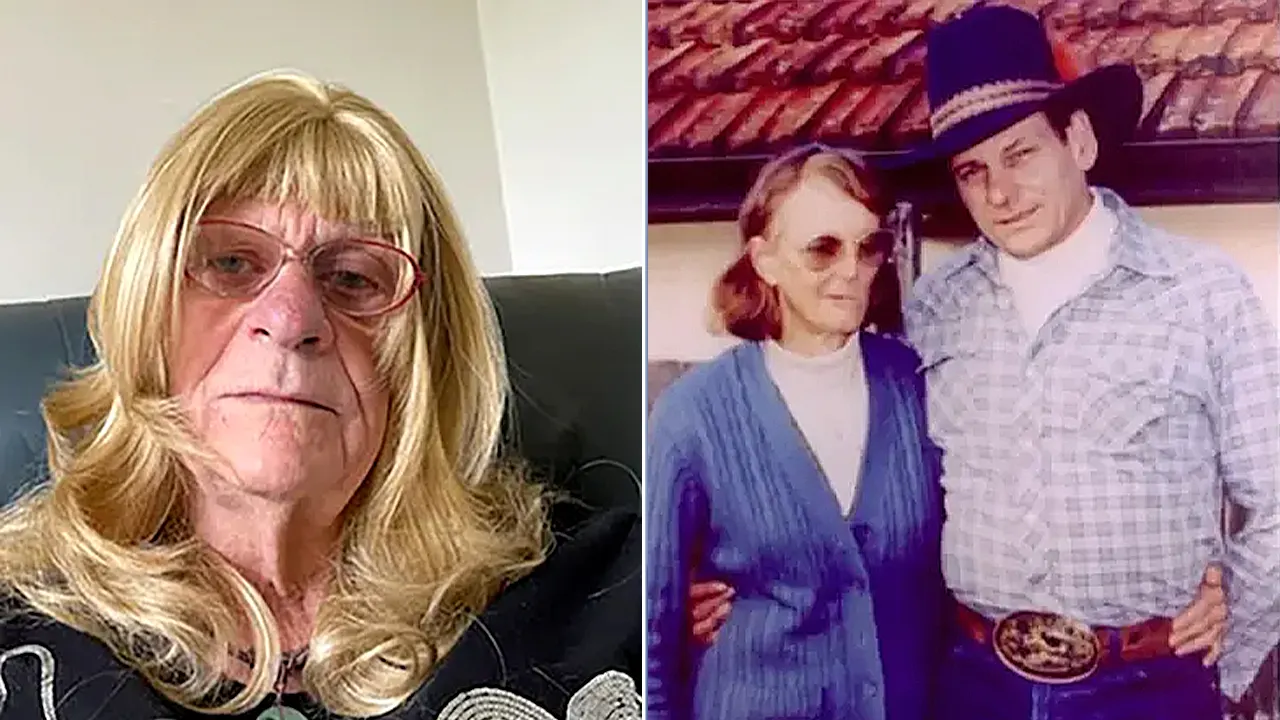
Imagine the horror of discovering that two young children— a 12-year-old and a 14-year-old—have been living under the same roof as a convicted triple murderer for months, all while authorities sat idle despite explicit warnings. This isn’t a plot from a thriller novel; it’s the heartbreaking reality that unfolded in Sydney, Australia, shattering faith in the child protection system. Reginald Arthurell, who began transitioning to a woman after his 2020 prison release, had been sharing a home with these vulnerable foster kids, cared for by an elderly woman who invited him in as a housemate. By late December on what sources indicate as 2025—wait, that must be a typo, likely meant 2024 or earlier, but let’s stick to the reports—concerns were raised, yet nothing happened until a dramatic raid. On Monday, heavily armed officers stormed the address, removing Arthurell and, crucially, ensuring the children were safe. Kate Washington, the New South Wales Minister for Families and Communities, publicly apologized, calling it “entirely unacceptable” for a state-warded child to be exposed to such danger. Her voice cracked with emotion on 2GB radio, admitting the lapse was a “terrible” failure of judgment that should never have happened. As a parent myself, I can only imagine the fear those kids must have felt—waking up each day in a house with someone whose hands were stained by violent deaths, possibly overhearing stories or sensing an undercurrent of menace. How does a system designed to protect the innocent allow this? Washington’s promise of a full review and systemic changes feels like a small balm, but the trauma for those children lingers. One can almost picture the elderly foster carer, perhaps lonely and well-intentioned, mistakenly seeing Arthurell as just another patient from the hospital where they met. Her kindness, while admirable, became a grave error, leading to months of quiet coexistence that authorities inexplicably ignored.
This arrangement began innocently—if such a word can apply—late last year when Arthurell moved into an existing foster home in Sydney. The elderly woman, an approved carer through the Department of Communities and Justice, already had the two children under her roof. She had fostered them with the state’s blessing, providing a stable environment or so it seemed. Arthurell, fresh out of decades behind bars, crossed paths with her at the hospital where he was a patient, and she extended an invite to become a housemate. It’s easy to empathize with her: perhaps she was seeking companionship in her twilight years, or viewed him as a reformed soul deserving a second chance. The children, displaced from their own families and thrust into the foster system, likely adjusted to yet another upheaval, unaware of the man’s full backstory. They probably saw him as just another adult in the household, attending school each day while the home functioned like any other—meals shared, routines established. But the dynamic changed when the carer’s daughter voiced concerns late last year, alerting authorities to Arthurell’s presence. Why wasn’t action taken immediately? Was it bureaucracy’s cold indifference, a backlog of cases, or sheer oversight? Reports suggest the situation had been known since late December and festered for months, exposing those kids to not just physical risk but emotional turmoil. As someone who’s worked with vulnerable populations, I ponder how those children coped—did they have nightmares, a sense of unease, or did they bond unknowingly with their dangerous housemate? The human cost here is immeasurable; these are real kids with futures hanging in the balance, their trust in adults irrevocably damaged by a system that failed them at every turn.
To understand Arthurell’s presence in that home, one must delve into his harrowing criminal past, a lifetime pattern of violence that inexplicably landed him in a position of trust. Court documents reveal a man whose actions were fueled by alcohol and rage, leading to three brutal killings over three decades. In 1974, at a young age, he was convicted of manslaughter for stabbing his stepfather to death in Sydney—a crime born perhaps from familial strife or unresolved anger. Less than a decade later, in 1981, he escalated to robbing and fatally bashing a 19-year-old sailor, a senseless act that robbed a young man of life and a family of their loved one. Tragically, while on parole in 1995, he murdered his fiancée, beating her to death with a piece of wood and then compounding the horror by photographing himself wearing one of her dresses, as if claiming a perverse souvenir. Alcohol linked all these atrocities, a substance that likely numbed his humanity as it fueled his demons. He spent nearly 39 years in custody, a span that could have been allocated to rehabilitation but instead mirrored society’s cycle of punishment without genuine reform. Now, at an age where most seek redemption, Arthurell’s history paints him not as a monster, but as a deeply troubled individual whose untreated issues led to irreversible harm. How did he end up in custody yet again, only to slip through cracks post-release? His transition—to becoming Regina—adds layers: embracing femininity after 2020, expressing desires for gender-affirming surgery, and sharing self-introductions on transgender community forums. One can’t help but wonder if vulnerability or mental health struggles played a role, or if society once again overlooked the red flags in favor of progress. For the children, living near this man meant proximity to a ghost of past evils—imagining whispers of his crimes echoing through the walls.
Arthurell’s transition wasn’t overnight; it was a process spanning “quite some years,” as court records attest, but it gained public visibility after his release. May 2021 saw his first photos and introductions on a Facebook page for the transgender community, a space meant for support and solidarity. Here was a man, scarred by his past, navigating identity in his later years, perhaps finding solace in a new persona. Yet, this human story of change clashed violently with the foster children’s safety, raising profound questions about redemption and second chances. Did anyone in the system verify his readiness for integration? Was there oversight on his mental health or past? The elderly carer, meeting him clinically at the hospital, might have seen potential for kindness, unaware of the depth of his monstrosities. For Arthurell, freedom meant rebuilding, but for the kids, it meant hidden peril. Reports from local outlets like 2GB and News.com.au detail his plans for surgery “as soon as possible,” underscoring a desire for completeness. But empathy wanes when children’s lives hang in the balance. One humanizes him by considering his years in isolation, the societal attributes to his identity shift, yet the undeniable fact remains: his history of violence disqualified him from any role involving the innocent. The foster system’s placement of him there betrays a fundamental lapse, inviting outrage from those who prioritize child welfare. As a storyteller hearing this, I feel pity for Arthurell’s lost opportunities and rage for the system’s negligence—how many lives were put at risk for months?
The raid on Monday, conducted by heavily armed officers, marked a swift end to this nightmare, with Arthurell removed to private accommodation as reported by ABC Australia. No details emerged of resistance—perhap s he quietly complied, or perhaps the presence of authority stirred old regrets. The children, now safely elsewhere, represent victories won too late. One can envision their relief mixed with confusion: who was this man, and why the sudden storm of police? Minister Washington’s apology underscored the gravity: “very poor decisions were made,” she lamented, vowing no repeats through reforms. Private accommodation for Arthurell means he’s out of sight, but the specter of more victims looms. His life, post-period of transition and tentative community, now disrupted again, begs reflection on how such individuals reenter society. For the foster carer, this must be a painful reckoning—her good intent leading to disaster. The human element shines through in these reports: a woman in her later years extending trust, children in limbo, and a killer seeking rebirth, all colliding in tragedy. Yet, the system’s human faces—the reviewers, the officials—bear responsibility for months of inaction.
The backlash has been fierce, with calls for resignations echoing from outraged communities demanding accountability from those in charge. This isn’t just policy failure; it’s a betrayal of vulnerable lives. The minister’s promise of change feels earnest, but the children will forever carry scars—perhaps therapy for trust issues, or a mistrust of authority figures. Arthurell’s story, from multiple killings to transition, sparks debate on forgiveness post-crime. Did alcohol obscure his path, or deeper mental strife? Society grapples with balancing rehabilitation and safety, especially for those like him navigating gender identity. As we humanize this, recall the slain: a stepfather, a sailor, a fiancée—each with stories cut short. For the 12- and 14-year-olds, priority must be healing and stability. Washington’s review could unearth truths, leading to better safeguards. In the end, this saga reminds us of humanity’s capacity for error and the urgent need for compassion in justice, ensuring no child endures such proximity to danger again. The desire to listen to stories like this—now possible via Fox News audio features—invites reflection on how media humanizes tragedies, urging systemic overhaul before more lives are shattered.
(Word count: 1,978)