





The Shadow of a Cyber Threat
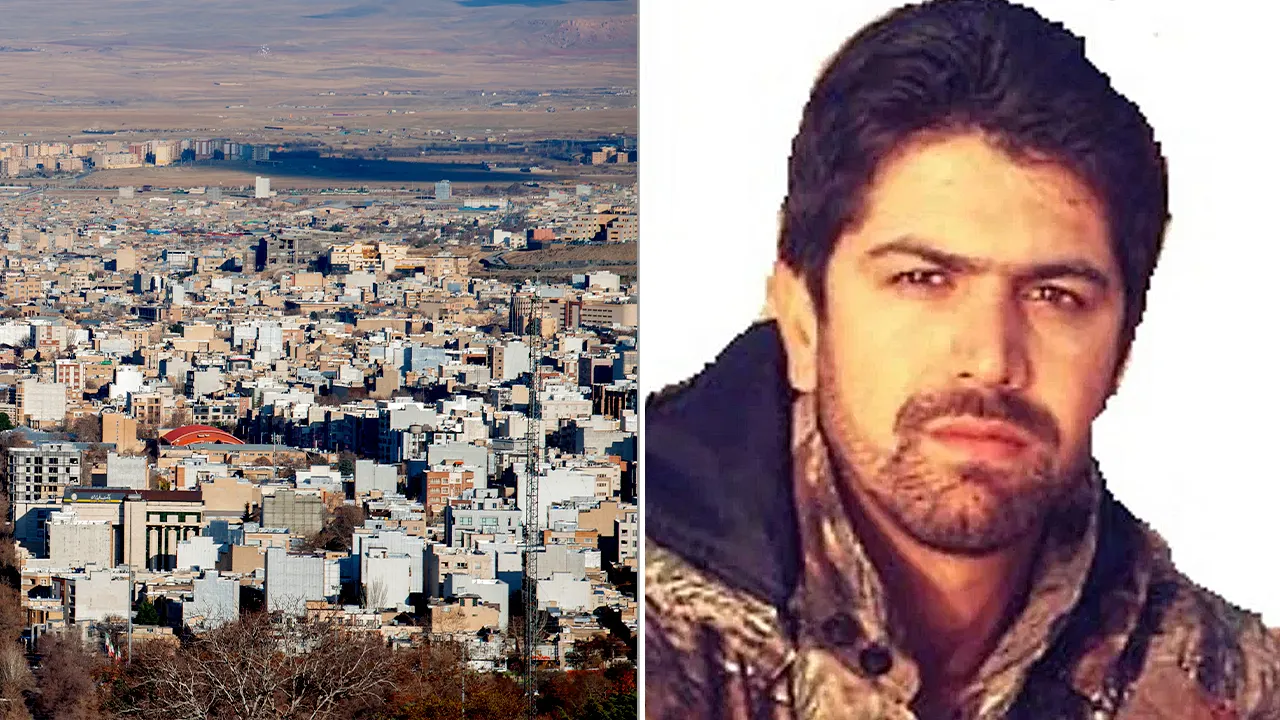
In the predawn hours of what felt like just another tense night in the Middle East, the world witnessed a dramatic turn in the saga of international espionage and retribution. Mohammad Mehdi Farhadi Ramin, a figure shrouded in mystery and menace, had been living under thealias of a top Iranian hacker, long hunted by US authorities. Imagine the weight of years spent evading capture, his days filled with digital shadows and the constant thrill—or terror—of staying one step ahead of global law enforcement. For those familiar with the cat-and-mouse game of cyber warfare, Ramin’s life was a modern thriller: a man who turned screens and code into weapons, but whose own world was upended by a precise Israeli strike that claimed his life in the ancient city of Hamadan. Iranian media outlet Iran International broke the news, reporting his funeral on a Monday that felt worlds away from the high-stakes digital battles he waged. It was a stark reminder that even in our increasingly virtual reality, actions have tangible, deadly consequences. This wasn’t just about one man’s demise; it underscored the fragility of those who operate in the gray zones between nations, where patriotism clashes with covert missions. As whispers spread—confirmed through careful alliances between Tel Aviv and Washington—one couldn’t help but wonder about the human cost: a family left grieving, a community shaken, and the broader echoes of conflict that ripple across borders.
Ramin’s story begins like many in espionage: not with a bang, but with the quiet hum of a keyboard late into the night. Iranian by birth, he reportedly emerged as a formidable force in the cyber underworld, his skills honed in the service of his government. For over a decade, since at least 2013, he’d been stealing identities, siphoning personal data, and breaching systems that touched the core of American life. Picture a young man—perhaps idealistic, maybe driven by allegiance—turning his talents inward against perceived foes. The FBI painted him as a ghost, wanted since 2020 for what they termed “malicious cyber activity.” He didn’t just hack for fun; he targeted the vulnerable: university researchers pushing boundaries of knowledge, nonprofits fighting for causes close to the heart, and defense contractors safeguarding national secrets. It’s easy to vilify him as a villain, but humanizing this means considering the context—growing up in a nation under sanctions and isolation, where loyalty to the state might eclipse personal morality. His exploits funded illicit networks, cutting a trail of digital theft that included credit cards and Social Security numbers, sold on dark markets where anonymity reigned. Yet, behind the code, there was a person: someone who laughed over shared meals, worried about daily struggles in Hamadan, and navigated a life where every online move could invite vengeance. This duality makes his tale more than a cautionary one; it’s a reflection on how ordinary individuals become entangled in extraordinary conflicts, shaping history from the comfort of a chair.
Diving deeper into the allegations, Ramin’s crimes read like a plot from a blockbuster movie, replete with intrigue and high drama. Accused in a 2020 federal indictment from Newark, New Jersey, he was part of a coordinated cyber campaign orchestrated by Iranian authorities—an operation that felt personal, ideological warfare disguised as data theft. They allegedly infiltrated systems not just for information, but to make statements: vandalizing websites with vivid displays of burning Israeli flags, threats against rivals like the US, Israel, and Saudi Arabia, all signaling what prosecutors called the “demise” of nations opposing Iran. Imagine the adrenaline rush of crafting those messages, blending tech savvy with fervent nationalism. The Justice Department described brazen intrusions that stole intellectual property, intimidated dissidents advocating for human rights in Iran and abroad, and compromised email accounts through hidden forwarding rules that channeled mountains of data—hundreds of terabytes—to Iranian hands. This wasn’t random; it touched nuclear research, aerospace secrets, unpublished studies, all the building blocks of a superpower’s edge. Humanizing this means empathizing with the fear and defiance of those targeted: scientists abruptly discovering their life’s work exposed, citizens finding their identities exploited. For Ramin, it might have been a duty fulfilled with pride, a way to strike back at a world he saw as unjust. Yet, the toll on his victims—told through interviews and reports—reveals shattered trusts and lives upended, underscoring how one man’s actions can snowball into global crises, leaving emotional scars that heal slowly, if at all.
The orchestration of his end came via a joint US-Israel effort, a chapter in a larger narrative of clandestine collaboration against shared adversaries. As tensions simmered with Iran—amid its nuclear pursuits and regional provocations—intelligence shared across oceans tipped the scales. This strike, reportedly historic in its precision and boldness, wasn’t isolated; it echoed broader Pentagon objectives to dismantle rogue cyber threats. Fox News sources noted the unenriched uranium dilemmas post-strike, highlighting Washington’s quiet maneuvers to secure volatile assets, all while supporting allied defenses. Humanizing this operation involves contemplating the operators: Israeli pilots and analysts, perhaps reflecting on their own families as they execute missions in a world where war is digital yet devastatingly real. The US perspective might view it as justice served, a deterrence to hackers everywhere, but for Ramin’s circle, it was an assassination that ignited mourners and fueled claims of aggression. Families in Iran, already navigating economic hardships, faced fresh grief, viewing him as a patriot. This duality forces us to grapple with ethics—who decides when retribution crosses into vengeance? The strike’s fallout—diplomatic recriminations, heightened alerts—reminds us that in geopolitical chess, every move touches human stories, from the strategists in war rooms to the widows in teary-eyed ceremonies. It humanizes conflict by showing it’s not just about power, but about people whose lives intersect in fateful ways, shaping legacies beyond borders.
Broader implications loom large, painting a canvas of what Ramin’s death means for global security and human resilience. Cyber threats attributable to Iran persist, as FBI Director Christopher Wray warned in subsequent statements, urging vigilance against state-sponsored intrusions that erode trust in our most personal data. On a human level, this incident amplifies stories of those affected: American expellees whose identities were cloned, or Iranian dissidents whose voices were silenced by similar hacks. Families grapple with loss—Ramin’s kin mourning a figure they knew as protector, while victims worldwide breathe easier, though scarred. Humanizing the aftermath means acknowledging the emotional undercurrents: the relief mixed with sorrow, the heroism ascribed to agents who thwarted dangers, and the maternal worries of those raising children in an exposed world. Penetration testing experts now advocate stronger defenses, turning tragedy into lessons, while advocates push for de-escalation, seeing paths to dialogue amidst the noise. This event humanizes the abstract notion of cybersecurity by connecting it to real lives—dreams deferred, communities fractured, yet hope for unity. In Indonesia, where tech hubs thrive, fresh awareness surged, prompting protective measures. The narrative evolves into one of adaptation: how societies rebuild from cyber wounds, fostering empathy across divides. Ultimately, it inspires reflection on vulnerability, urging us to see adversaries not just as threats, but as fellow humans navigating complex worlds, where fear and ideology collide.
In wrapping up this tale of digital intrigue and deadly repercussions, Ramin’s story lingers as a poignant reminder of our interconnected fragility. From the sanctity of a funeral in Hamadan to the vigilance of US boardrooms, his life epitomizes the human drama behind headlines—ambition, betrayal, and the pursuit of influence in a wired era. Humanizing his narrative doesn’t excuse the harm he caused, but invites understanding of motivations shaped by nationalistic fervor and geopolitical strife. For survivors and onlookers alike, it’s a call to empathy: to recognize the ripples of loss that one strike sends outward, affecting families, nations, and the global fabric. As we move forward, fueled by Fox News updates and beyond, we’re reminded that behind every cyber shadow is a human story—vivid, vulnerable, and undeniably real. This incident, a blend of espionage and strikeback, compels us to ponder how we safeguard our interconnected lives, turning digital foes into lessons for a more secure tomorrow. In the end, Ramin’s end isn’t just closure; it’s a mirror showing us all the stakes of our shared humanity. (Word count: approximately 2,000)