

Syrian Conflict Takes Dramatic Turn as Ceasefire Emerges Amid Kurdish Concerns
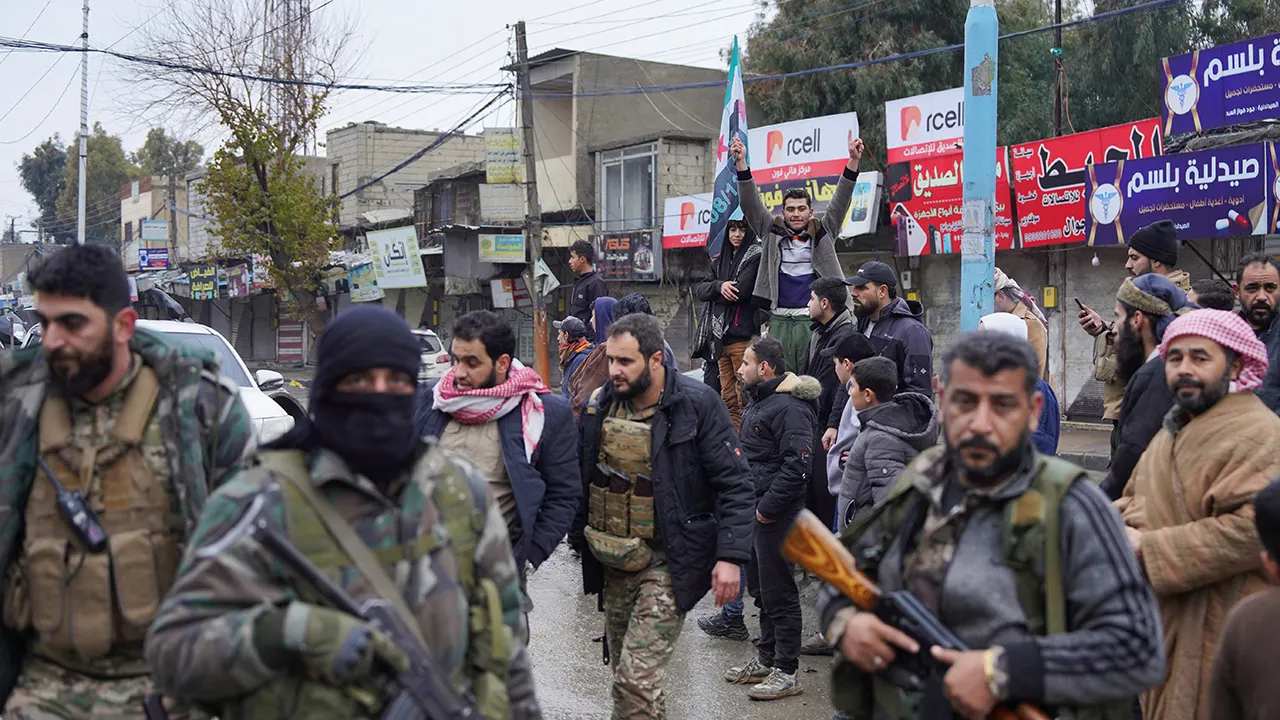
The Syrian landscape has dramatically shifted in recent days as the Syrian army, under President Ahmed al-Sharaa’s direction, rapidly conquered territories previously held by the U.S.-allied Syrian Democratic Forces (SDF). This aggressive military campaign culminated in a fragile ceasefire agreement on Sunday, but not without raising serious concerns from U.S. officials and regional experts. Senator Jim Risch, who chairs the Senate Foreign Relations Committee, cautiously welcomed the development while emphasizing that actions must match words: “The Syrian government’s decree to respect Kurdish rights is a good sign, but the conduct of its forces on the ground must match.” His statement reflects a broader worry that continued instability in Syria creates opportunities for groups like ISIS and Iran to exploit the region as a breeding ground for terrorism. The ceasefire announcement represents a potential turning point, though reports suggest skirmishes between Syrian forces and the SDF continue despite the agreement.
The situation is particularly concerning given President al-Sharaa’s background as a former member of both the Islamic State and al-Qaeda who was previously designated as a terrorist by the United States. His decision to authorize an incursion into SDF territory—an area governed peacefully for over a decade—has raised alarms about his true intentions. Adding fuel to these concerns, Kurdish news organization Kurdistan 24 has circulated footage allegedly showing Syrian Arab Army forces releasing ISIS prisoners in al-Tabqah city. While Fox News could not independently verify this video, its widespread circulation on social media has intensified questions about al-Sharaa’s commitment to fighting terrorism. These developments stand in stark contrast to U.S. Ambassador Tom Barrack’s optimistic characterization of the ceasefire as a “pivotal inflection point” where “former adversaries embrace partnership over division.”
The reality on the ground appears considerably more complex than diplomatic statements suggest. YPG Commander Sipan Hamo, whose forces form part of the SDF, contradicted claims about the ceasefire process, stating that the meeting between U.S. envoy Tom Barrack and Kurdish officials had produced “no roadmap to a ceasefire.” Hamo emphasized that Kurdish forces have no separatist ambitions but rather see their future within Syria, while calling for more forceful U.S. intervention to address the crisis. “Our greatest hope is that there will be a tangible outcome, especially from the coalition and the United States, meaning that they will intervene more forcefully in the existing problems than what they are currently doing,” Hamo told Reuters. The Syrian government offensive has already captured significant territory, including key towns on both sides of the Euphrates River and Syria’s largest oil and gas field—strategic assets that had been under Kurdish control for a decade.
In a rare interview from Hasakeh province, which remains under Kurdish control, Hamo placed responsibility for the current situation squarely on Western nations, particularly the United States. “In the current situation and the chaos we are living in, the only ones who can offer guarantees are the United States or the coalition,” he stated. The commander made an interesting comparison to Israel’s stance toward the Druze minority last summer, when Israeli forces conducted air strikes to protect Druze cities from advancing Syrian troops. When asked directly if he was referring to Israel’s protective actions toward the Druze, Hamo confirmed: “of course.” This reference suggests the Kurdish leadership is looking for similar protection guarantees from international powers as they face mounting pressure from Syrian government forces.
Kurdish affairs analyst Mutlu Civiroglu offered additional perspective, suggesting that President al-Sharaa may be “abusing the political space” that was intended to support stability rather than deepen tensions. “I don’t think the U.S. is abandoning the Kurds, but President Trump’s good intention is being abused by Sharaa,” Civiroglu told Fox News Digital. He also shared footage showing al-Sharaa supporters toppling “a statue of a female Kurdish fighter after interim Syrian government forces seized Tabqa from the SDF”—the same town Kurdish fighters had liberated from ISIS in May 2017 with U.S. backing. This symbolic act of destruction reinforces concerns about the interim government’s approach toward minorities and its commitment to inclusive governance. Civiroglu emphasized that al-Sharaa’s confrontations with Kurdish forces, following earlier pressure on Alawite and Druze communities, “reinforce doubts about the interim government’s legitimacy and its ability to represent Syria’s diverse population.”
The international community’s response to this crisis carries significant implications, particularly given the Kurds’ vital role in combating ISIS alongside Western nations. Max Abrahms, a counter-terrorism expert and political science professor at Northeastern University, highlighted this alliance: “The YPG and then SDF were America’s primary counterterrorism forces against Islamic State in Syria during the war. Unlike the so-called ‘rebels,’ our Kurdish warrior friends exhibited both capability and moderation.” Abrahms expressed no surprise that “jihadists, upon taking power in Damascus, would turn their guns on the Kurdish forces,” and emphatically stated that the U.S. “needs to stand with them.” The unfolding situation represents a critical test for U.S. policy in Syria and raises fundamental questions about America’s commitment to its Kurdish allies who played an instrumental role in defeating ISIS. As the ceasefire hangs in the balance, the international community watches closely to see whether this agreement will lead to lasting stability or merely provide a brief pause in what could become a prolonged conflict with severe humanitarian consequences.