





Border Tensions Flare Between Thailand and Cambodia Despite Ceasefire Efforts
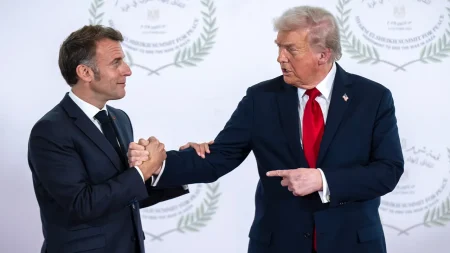
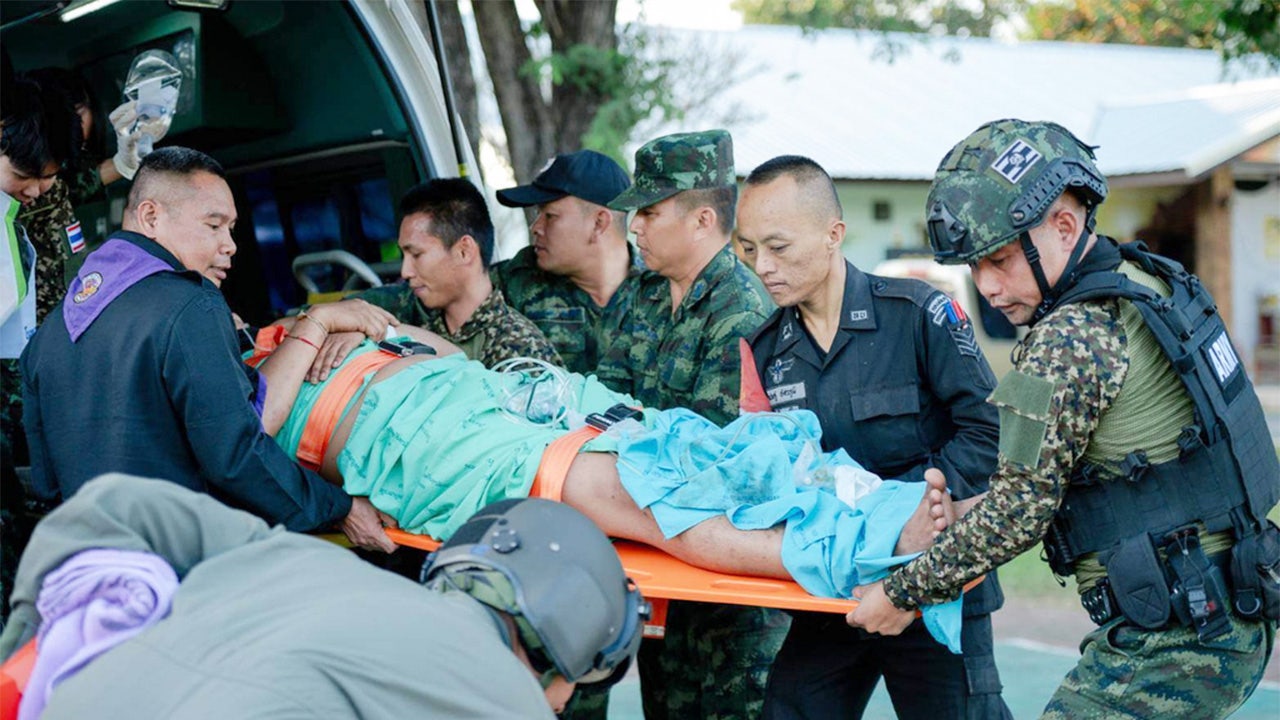
In a concerning development along the disputed Thailand-Cambodia border, military forces from both nations engaged in armed conflict Monday, with each side claiming the other fired first. The latest outbreak of violence has left one Thai soldier dead, others wounded, and civilians evacuated from border communities, raising serious questions about the durability of the peace agreement brokered by former U.S. President Donald Trump last October. The deteriorating situation follows smaller clashes just a day earlier, indicating that regional tensions are once again approaching a dangerous tipping point despite diplomatic efforts to maintain stability.
Thai military spokesperson Maj. Gen. Winthai Suvaree reported that Cambodian troops initiated the conflict by firing into Thai territory, prompting Thailand to launch airstrikes against what they described as military targets. This escalation marks a significant intensification of hostilities, with Thailand deploying air power in what appears to be their most aggressive response in recent months. Meanwhile, Cambodia’s Defense Ministry tells a completely different story, with spokesperson Maly Socheata insisting that Thai forces struck first and that Cambodian troops showed restraint by not immediately retaliating. The contradictory narratives highlight the deep mistrust between the neighboring countries, with each government seemingly unwilling to accept responsibility for the breakdown in peace.
The human toll of this conflict is becoming increasingly apparent as communities along the border face disruption and danger. Images shared by Cambodia’s Education Ministry showed the heartbreaking sight of parents rushing to schools to retrieve their children amid the chaos, a stark reminder that ordinary civilians bear the brunt of these territorial disputes. Sunday’s smaller exchange of fire had already wounded two Thai soldiers, according to Thailand’s account, while Cambodia maintained that Thailand initiated that confrontation as well. These repeated incidents have created an atmosphere of fear and uncertainty for those living near the contested areas, many of whom have long dealt with the consequences of this historical dispute.
October’s ceasefire, which had temporarily halted five days of deadly fighting in July that claimed dozens of lives, now appears to be unraveling. Strain in the agreement became evident last month when several Thai soldiers were injured by land mines in contested territories, prompting Thailand to suspend parts of the deal. The ceasefire had called for cooperation on mine clearance and border stabilization efforts, but instead of collaboration, both nations have continued accusing each other of violations. This pattern of mutual recrimination suggests that the diplomatic framework established under Trump’s mediation lacks the necessary mechanisms or political will to address fundamental issues driving the conflict.
The roots of this border dispute run deep, embedded in centuries of historical rivalry between ancient kingdoms that once competed for regional influence. In more recent times, the conflict has centered on disagreements over French colonial-era border maps that Thailand contends are inaccurate. Despite multiple attempts at resolution over the years, including the most recent ceasefire agreement, the two nations have failed to resolve the underlying territorial questions. This persistent lack of clarity regarding border demarcation creates a perpetual tinderbox situation where minor incidents can quickly escalate into more serious confrontations, as demonstrated by the current flare-up.
Regional observers warn that without renewed diplomatic engagement focused on addressing the core territorial dispute, Thailand and Cambodia risk sliding into a wider conflict with potentially devastating consequences for both countries and the broader Southeast Asian region. The current situation underscores the limitations of temporary ceasefire arrangements that fail to resolve fundamental disagreements. For lasting peace to take hold, both nations may need to consider more comprehensive negotiations, possibly with international mediation, to establish clear and mutually acceptable border demarcations. Until then, communities along the disputed frontier will continue living under the shadow of conflict, with civilians and soldiers alike paying the price for this unresolved historical grievance that continues to poison relations between these neighboring states.