




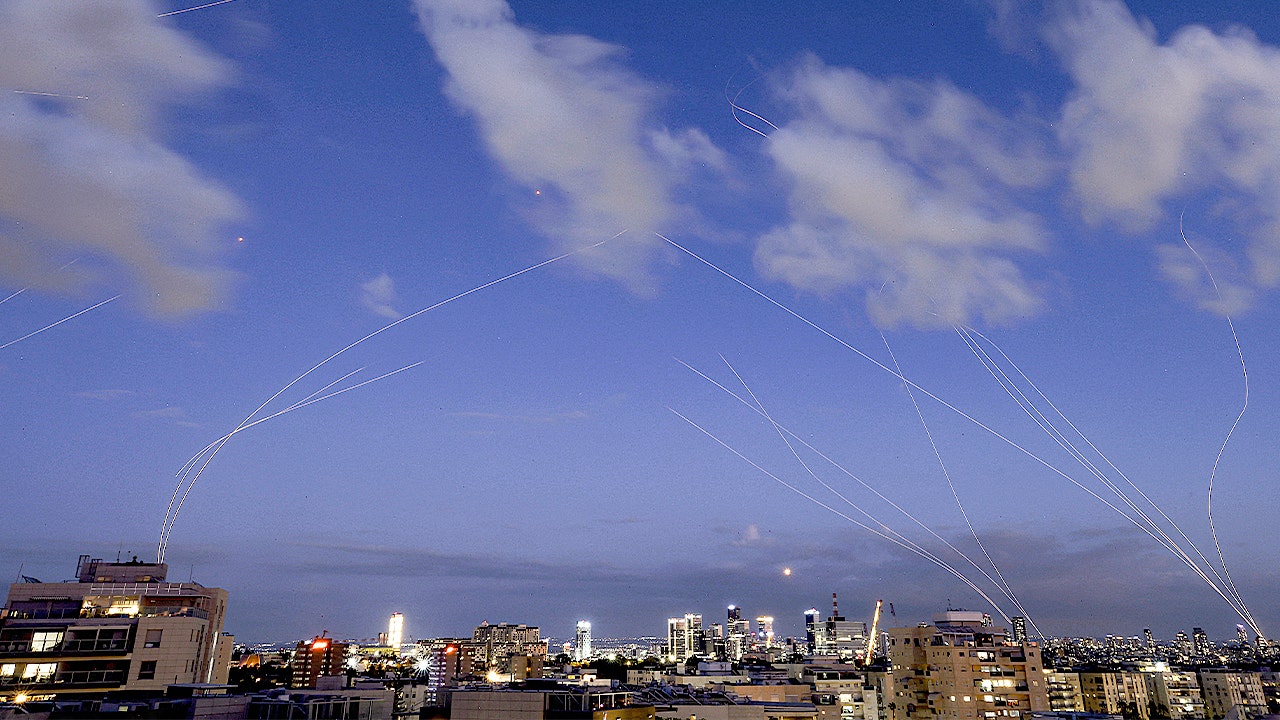
The Unprecedented Chaos in Tel Aviv
In the past 48 hours, Tel Aviv has transformed into a surreal battleground, where the constant wail of air raid sirens pierces the night and day, turning ordinary lives upside down. Families huddle in reinforced rooms, their hearts racing as they wait for the all-clear, while outside, missiles streak through the sky like vengeful prophets. Kobi Michael, a seasoned security analyst from the Institute for National Security Studies and the Misgav Institute, has lived through many conflicts, but this barrage feels biblical—a clash of titans that could reshape the Middle East forever. From his makeshift shelter, he shares how he’s endured the blasts, not as a distant observer, but as a neighbor, father, and citizen, pleading with loved ones to stay safe amid the unpredictable thunder. It’s not just about survival; it’s a profound assault on normalcy, where children draw pictures of shelters instead of playgrounds, and adults wonder if their homes will be standing tomorrow. The streets, usually vibrant with cafes and commerce, now echo with eerie silence interrupted by debris falling like confetti from hell. People like Michael aren’t just staying indoors; they’re grappling with an existential dread, questioning whether this is the end of the world as they know it. Families share stories on social media—mothers singing lullabies to drown out the sirens, fathers whispering promises of brighter days—humanizing a crisis that feels otherworldly. The air smells of smoke and fear, mingling with the scent of flowers from protests turning into vigils. In cafes reopened hastily, patrons sip coffee with trembling hands, recounting near-misses and dreams deferred. This isn’t just a news flash; it’s a real-time tapestry of human resilience, where hope flickers like a candle in the wind. As sirens blare for the 30th time in a day, Michael reflects on how this event mirrors ancient plagues, forcing introspection on what it means to live in a volatile region. People scramble for generators and water, sharing resources like a makeshift community, their faces etched with fatigue yet infused with unshakable determination. The psychological toll is immense—sleep deprivation leads to hallucinations of safer times, while the physical strain from hours in cramped shelters weighs on bodies already weary from uncertainty. Yet, amidst the chaos, small acts of kindness emerge: neighbors dropping off meals, strangers offering rides, reminding everyone that humanity persists even in apocalypse. Tel Aviv, the bustling heart of Israel, feels like a fortress under siege, its people united not just in fear, but in a collective spirit that defies annihilation. As the drones hum overhead, Michael muses on how these 48 hours could be the turning point, a moment where terror meets indomitable will, leaving an indelible mark on souls forever altered.
A Day in the Life of Survival
Kobi Michael’s voice crackles over the phone, filled with the fatigue of a man who’s dodged death numerous times, yet this onslaught hits differently. He’s no stranger to hunkering down in bomb shelters, having weathered conflicts before, but the scale here—sirens wailing around 30 times in a single day—pushes resilience to its limits. He describes entering his reinforced room as a ritual of sorts, grabbing essentials: a flashlight for emergencies, a book to pass the time, perhaps a photo album to remind him of life’s simple joys. Outside his window, the world holds its breath, but inside, families bond over stories, sharing memories that provide solace in the storm. Michael reflects on how adults console children with tales of heroes and hope, turning fear into a classroom for courage. The 20 to 30 minutes per siren feel like eternity, especially when more blare before the all-clear, creating a cascade of anxiety. People like him aren’t just waiting; they’re contemplating their mortality, whispering prayers or sharing laughs to lighten the heaviness. One woman he knows bakes cookies during lurks, turning her kitchen into a fortress of normalcy, while her husband recounts old jokes to stave off despair. It’s deeply human: the way grandparents clutch heirlooms, imagining passing them down to grandchildren who may never know peace. Michael’s own family calls regularly, their voices a lifeline, discussing plans for the “what ifs.” Yet, he admits the strain—aches from uncomfortable positions, the dread of structural collapses, and the emotional wear that makes every echo a reminder of fragility. Communities organize impromptu support groups, sharing traumas that forge unbreakable bonds. As the hours blur, fatigue sets in, dreams interrupted by alerts, bodies aching not just from confinement but from the weight of unspoken sorrow. Michael dreams of a picnic in Yarkon Park, free from alarms, illustrating how these interludes rob life of its color. But in these moments, resilience shines: strangers help elders down stairs, volunteers distribute masks against unseen dangers. The human spirit, battered yet unbroken, transforms survival into a profound act of defiance, each siren a chapter in a story of enduring love and unyielding hope. Michael’s words echo a collective sigh, wondering if tomorrow will bring calm or calamity, yet fueled by a determination that’s as biblical as the threat itself.
The Toll of War on Innocent Lives
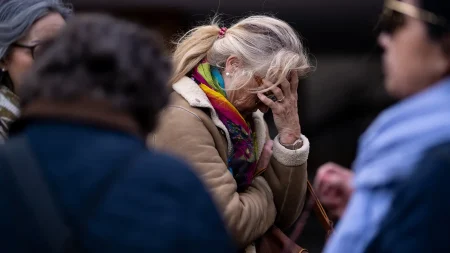
The echoes of Iran’s retaliatory missiles reverberate through Tel Aviv, leaving scars on buildings and souls alike. Shrapnel from the strikes has torn into at least 40 structures, turning apartment blocks into hollow shells, while debris from one blast claimed a life by falling debris, a stark reminder that no one is untouchable. Among the casualties, a Filipino national from the Philippines Embassy lost his life in a strike on Saturday, his story weaving into the global tapestry of loss—perhaps a worker sending money home to his family, now a statistic in a far-flung conflict. Beyond the destruction, the human cost weighs heavily: approximately 11 civilians killed and dozens wounded, their dreams shattered in an instant. Picture a young mother shielding her child, only to be caught in the rain of projectiles; or an elderly couple, lifelong residents, watching their neighborhood crumble like a house of cards. Families mourn openly, vigils sprouting at impact sites where candles flicker against the night, neighbors sharing stories of the fallen—teachers, artists, everyday heroes cut short. The Associated Press reports paint a grim picture of widespread damage, yet it’s the personal anecdotes that humanize the horror: a boy searching for his lost pet amid the rubble, a teacher sharing eulogies for students who won’t return to class. Emotional wounds run deep, with survivors grappling with survivor’s guilt, nightmares haunting their rest, and community therapists overwhelmed by grief. Economic impacts add layers of pain—jobs lost, homes uninsured, forcing reliance on communal aid that tests already frayed ties. Yet, amidst the mourning, acts of solidarity emerge: blood drives, food banks, and volunteers clearing debris, restoring fragments of normalcy. Herzog’s visit to a Tel Aviv impact site underscores resilience, his words a balm for the bereaved, but the tears shed speak louder than speeches. Lost lives were vibrant threads in society’s fabric—parents, spouses, friends—now voids that redefine legacies. As the days crawl on, the people of Tel Aviv honor the dead by living fiercely, their compassion a light against the regime’s darkness, proving that even in ruin, humanity’s flame endures unextinguished.
Voices of Resilience and Political Resolve
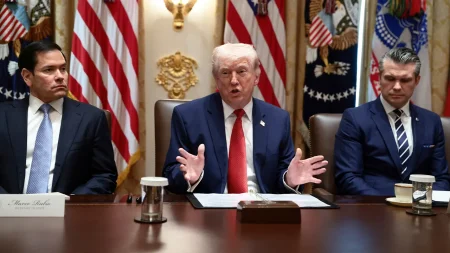
President Isaac Herzog’s solemn visit to a battered Tel Aviv site isn’t just a photo op; it’s a raw moment of leadership, standing amid debris to proclaim that peace isn’t a distant dream but a possibility derailed by terrorism. “The people of Israel and the people of Iran can live in peace,” he declares, his voice steady yet tinged with sorrow, echoing the aspirations of everyday citizens yearning for tranquility. Herzog points to the Iranian regime as the instigator, their missiles not just weapons but symbols of oppression that shatter lives and hinder harmony. This address resonates deeply, mirroring the sentiments of families who’ve dreamed of quiet evenings without alarms, their homes less barricades and more havens of love. Meanwhile, Kobi Michael adds that Trump’s resolve is crucial, his time and determination the key to ending this cycle. Watching the president’s video message, assuring operations continue until objectives are met, Michael sees hope—a pivot that could reshape the region for generations, turning fear into future freedom. People at home nod in agreement, sharing videos of Trump’s words, finding strength in his promise of protection. In makeshift community centers, discussions flow about how this leader might broker lasting change, sparking optimism amid the barrage. Herzog’s speech humanizes the struggle: it’s not about nations clashing, but people suffering—mothers in Iran mourning losses from strikes, just as Israelis grieve here. Volunteers translate his words into multiple languages, fostering cross-border empathy, a subtle bridge in divided lands. Political rhetoric gains heart through personal stories; a Tel Aviv resident recalls losing a friend but prays for Iranian counterparts, embodying Herzog’s vision. This resilience isn’t abstract; it’s the grit of everyday folks pushing back against terror, fueled by a leader’s unwavering stand. As sirens fade momentarily, Herzog’s message lingers, a reminder that true change demands courage, weaving hope into the fabric of fractured peace.
Iran’s New Reality and Uncertain Leadership
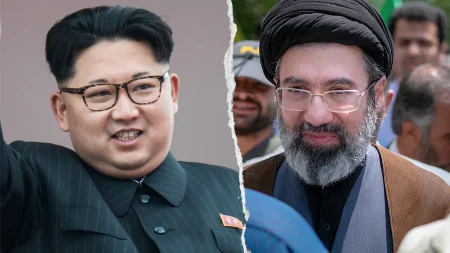
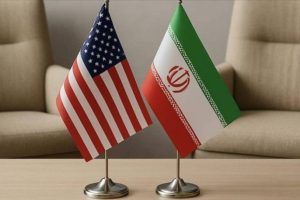
In the wake of the devastating U.S.-Israel strikes that claimed the life of Iran’s Supreme Leader Ayatollah Ali Khamenei and about 40 top officials, the Islamic Republic scrambles to forge a new path, its power structures in shambles. A provisional leadership council emerges, headed by Ayatollah Alireza Arafi, President Masoud Pezeshkian, and Judiciary Chief Gholam-Hossein Mohseni-Eje’i, figures thrust into a maelstrom without Khamenei’s groundwork for succession. Kobi Michael notes the chaos: severe disruptions in command chains, Tehran riddled with struck targets, forcing Pezeshkian to navigate rubble-strewn challenges that could cripple governance. This isn’t just political upheaval; it’s a human drama of elites waking to a reality where sirens ring out globally, their citizens in shelters, fearing further onslaughts. Inside Iran, families whisper of lost loved ones—officials who were pillars, now martyrs—grieving in private while public facades crumble. The regime’s lacks foresight stings, leading to power vacuums that breed uncertainty, with leaders’ families isolated in bunkers, pondering inheritances turned silhouettes. Internationally, exiled voices like the Crown Prince hail the strikes as regime’s “beginning of the very end,” sparking hopes among dissidents dreaming of liberation from tyranny. Yet, on streets littered with debris, ordinary Iranians share stories of resilience—mothers teaching hyphenated histories, fathers hiding ideological doubts—humanizing a collapse that feels biblical. Michael’s optimism shines: even if the regime lingers, it can’t recover fully, its former strength evaporated like morning mist. This provokes soul-searching; citizens debate futures in hushed tones, weighing decades of repression against potential dawn. The council’s formation is a Band-Aid on a gash, with Pezeshkian facing insurmountable hurdles—economic woes, military disarray, social unrest—that parallel Tel Aviv’s trials. Empathy emerges; some Israelis express sorrow for Iranian counterparts, envisioning shared healing over division. In teahouses and virtual forums, stories of resistance circulate, from poets defying censorship to engineers aiding reconstructions, painting a portrait of a regime on borrowed time. Ultimately, this shift underscores human endurance, where leadership vacuums birth both anxiety and glimmers of genuine change, weaving fates into a regional saga of rebirth or reckoning.
Hope Amid the Ashes: A Region on the Brink
As Tel Aviv counts its dead and Iran rebuilds from ashes, a fragile hope emerges, not as wishful thinking but as the collective heartbeat of those who’ve endured biblical tribulations. Kobi Michael envisions Trump as the linchpin, his time and determination unlocking doors to stability that could echo for decades, reshaping the international order like a seismic shift. This isn’t policy jargon; it’s personal—a father’s plea for his children’s future, free from the shadow of missiles, where playgrounds replace shelters. In community gatherings, people share visions of peace: joint ventures between Israeli and Iranian innovators, cultural exchanges healing old wounds, families reuniting across borders once barbed. The strikes, while costly, plant seeds of liberty, as exiled Iranians cheer the regime’s waning, their stories of oppression fueling narratives of triumph. Yet, the path is strewn with hurdles—deep-seated mistrusts, economic famines, psychological scars—that demand more than words from leaders. Michael’s added perspective on the regime’s irreversible decline gives comfort, imagining a Middle East where terror doesn’t dictate daily rhythms, allowing businesses to thrive and arts to flourish. Exiles’ voices amplify this, painting pictures of homelands reborn, with citizens’ resilience turning crisis into catalyst. Trump’s commitment resonates deeply: his message, watched fervently, becomes a lifeline, inspiring quiet revolutions in boardrooms and streets alike. Families in Tel Aviv and Tehran exchange messages of solidarity through anonymous channels, humanizing the divide, sharing dreams of shared skies. As the emergency state fades in Tel Aviv, optimism builds—schools reopening with anti-trauma programs, mental health support surging like lifelines. Politically, change feels tangible: a new era where leaders prioritize people over power, bridging divides with dialogue. Michael’s hope for Trump isn’t blind faith; it’s rooted in history’s lessons, where determined stands crushed tyrannies. Ultimately, this moment humanizes conflict’s endgame, transforming global strife into personal journeys toward peace, where every siren silenced is a victory, every handshake across enmity a miracle. In these 48 hours’ aftermath, humanity’s spirit endures, poised for a future defined not by destruction, but by the quiet power of enduring hope.