







Tragedy Strikes at Brazilian Zoo as Young Man’s Lion Tamer Dream Ends in Fatal Encounter
In a heart-wrenching incident that shocked visitors and staff alike, 19-year-old Gerson de Melo Machado lost his life after deliberately climbing into a lioness enclosure at Brazil’s Arruda Câmara Zoobotanical Park. The tragedy, which occurred on Sunday morning in João Pessoa, Paraíba, was captured on video as the young man scaled a towering 26-foot fence to enter the habitat of the big cat. According to local reports, Machado had long harbored dreams of becoming a lion tamer and had been diagnosed with schizophrenia, a condition his mother also lived with. Child welfare counselor Verônica Oliveira, who had monitored Machado since childhood, revealed that his fascination with lions had once led him to hide in an airplane’s landing gear, believing it would take him to Africa where he could fulfill his dream.
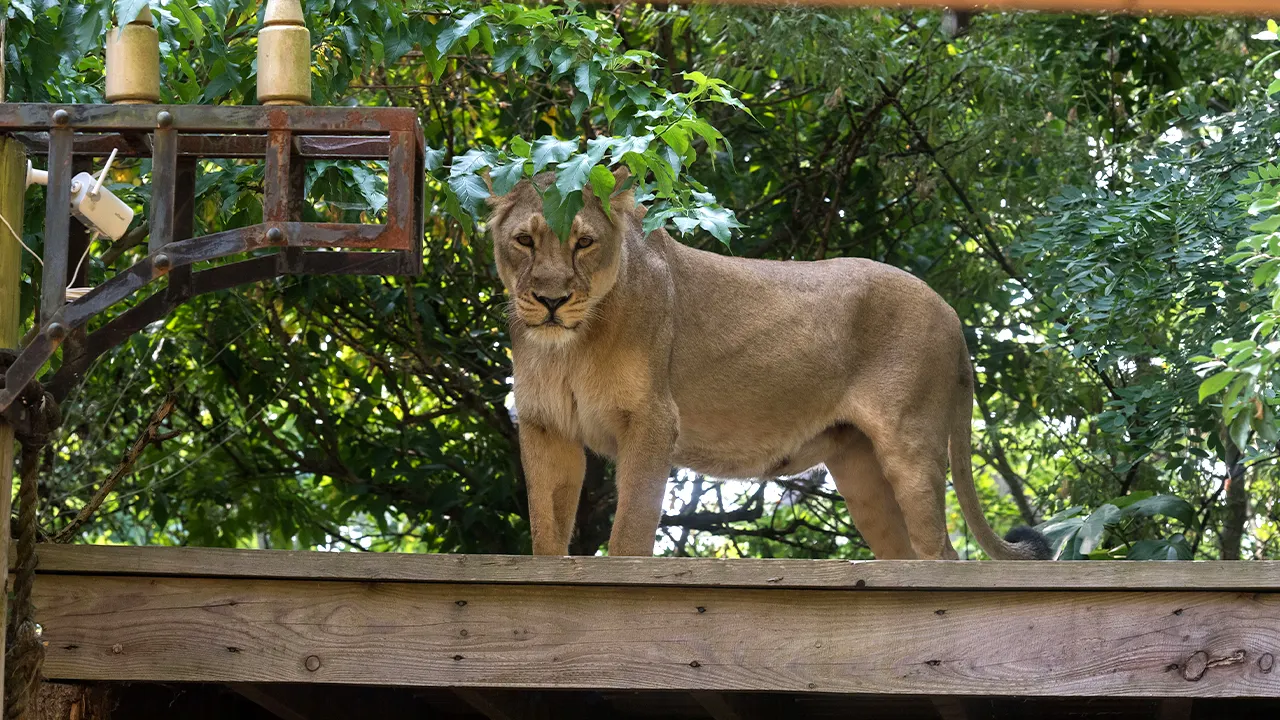
The harrowing footage shows the final moments of Machado’s life as onlookers watched in horror. After climbing the enclosure’s fence and descending a nearby tree, the lioness spotted him and waited patiently at the base. When Machado reached a height close enough to the ground, the predator lunged at him. Despite his desperate attempts to escape by fleeing into the bushes, the lioness pursued him relentlessly. The chase continued out of view behind a wall, where the fatal mauling took place, hidden from the traumatized witnesses who could do nothing to intervene in the rapidly unfolding tragedy.
Following the incident, park officials immediately closed the zoo to implement safety procedures and allow for the removal of Machado’s body. “This is an extremely sad episode for everyone,” the zoo stated in a somber social media announcement, expressing “solidarity and condolences to the family and friends of the man.” The park confirmed it would remain closed until authorities completed their investigation and all official procedures were finalized, as the community grappled with the shocking nature of the event. The statement emphasized that Machado had “deliberately invaded” the enclosure, resulting in his death – a tragic outcome that no one could have anticipated that morning.
The zoo has firmly stated that it does not plan to euthanize the lioness, known as Leona, stressing that the attack resulted from deliberate trespassing into her territory. “It is important to emphasize that euthanasia was never considered,” park officials clarified, describing the incident as “completely unpredictable” and “outside of any scenario within the park’s routine.” They noted that while the animal is experiencing stress following the event, she displays no concerning behavioral changes that would warrant such drastic measures. Wildlife experts generally agree that predatory animals acting on natural instincts within their territories should not be penalized for human encroachment.
Machado’s story has emerged as one of unfulfilled dreams and mental health struggles. Those who knew him described a young man whose fascination with lions had been a constant throughout his life, despite the challenges posed by his schizophrenia diagnosis. His determination to become a lion tamer had manifested in various ways over the years, including the previous airplane incident. Family members and care providers now face difficult questions about how a young man with known mental health issues was able to access and enter such a dangerous area, raising concerns about both zoo security and mental health support systems available to vulnerable individuals in the community.
This tragedy serves as a somber reminder of the unpredictable nature of wildlife encounters and the critical importance of respecting safety barriers at animal facilities. While zoos create environments where humans can observe and learn about magnificent creatures like lions, the inherent dangers these animals pose remain very real, as they retain their wild instincts despite living in captivity. For the staff at Arruda Câmara Zoobotanical Park and the community of João Pessoa, the incident has prompted reflection on existing safety measures and the delicate balance between providing access to wildlife education while ensuring visitor safety. As investigations continue, many hope this devastating loss will lead to meaningful conversations about mental health support, zoo security protocols, and the proper respect needed when interacting with wildlife, even from a distance.