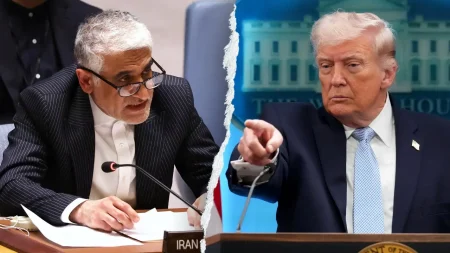



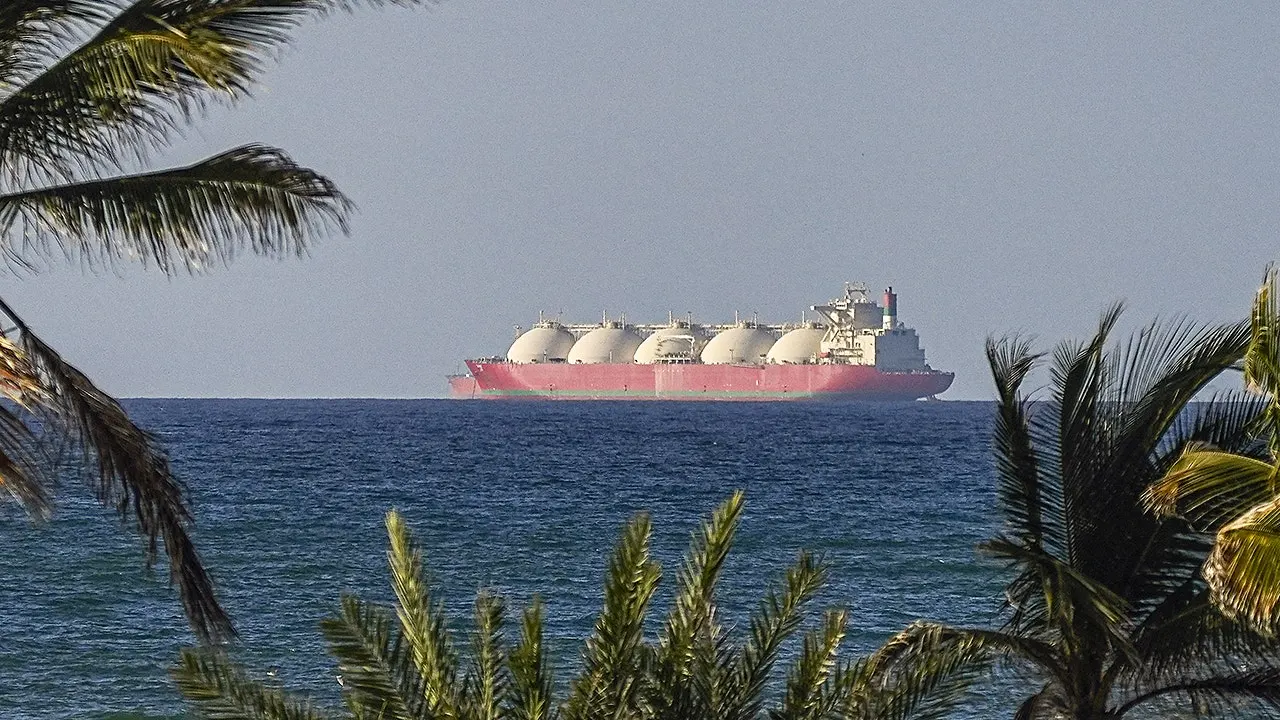
In the ever-shifting sands of global politics, where alliances are forged and broken over the blink of an eye, President Donald Trump’s latest ideas always seem to stir up a storm. Imagine cruising along the world’s hottest supply lines, where the Strait of Hormuz acts like a narrow necktie choking off international trade, and suddenly Trump’s suggesting we slap a toll on passing ships. It all started with his Wednesday chat on ABC News, where he casually floated the notion of an American-Iranian “joint venture” to impose fees on vessels gliding through this crucial waterway. But why? In his eyes, it’s a savvy way to keep the peace—securing the strait not just from Iranian threats but from all sorts of global mischief-makers. He painted it as a win-win: America helps bolster security, pockets some cash, and Iran gets to rebuild after their recent skirmishes. It sounds almost entrepreneurial, like setting up a toll booth at the entrance to a vital highway, but in reality, it’s reimagining how the world’s oil and gas flow—over 20 million barrels of crude and a hefty slice of liquefied natural gas daily—gets policed and paid for. Trump’s supporters might cheer the toughness, but critics see it as risky business, potentially igniting more flare-ups in an already volatile region. On Thursday, the United Nations’ International Maritime Organization (IMO) weighed in, their spokesperson bluntly telling Reuters that such a toll would “set a dangerous precedent.” Think about it: no treaty exists allowing governments to charge for zipping through these international straits, which are supposed to be open like public roads. If one country starts charging, what’s to stop others from following suit—maybe Russia tolling the Black Sea passages or China eyeing the Malacca Strait? It could unravel the delicate fabric of global shipping norms, leading to chaos where the powerful dictate terms and smaller nations or companies get squeezed. The IMO wasn’t mincing words; they warned that this could open Pandora’s box for unprecedented disputes, tariffs, and maybe even blockades disguised as fees. For everyday people, that means higher costs for everything from the gasoline in our cars to the natural gas heating our homes, all because of a unilateral move that ignores decades of maritime law. Trump’s idea, while innovative, skirts perilously close to the edge of established rules, reminding us how one bold suggestion can ripple across oceans and economies. This isn’t just about money or security; it’s about the unspoken rules that keep the world’s navies and traders cooperating rather than colliding. Amid all this, the Strait of Hormuz stands out as the beating heart of energy flows, a narrow sliver of water sandwiched between Iran, Oman, and the United Arab Emirates. Picturing it on a map, it’s like a tiny zipper between the Persian Gulf and the Arabian Sea, but in terms of impact, it’s colossal—handling about 20 million barrels of oil every day, which is roughly a third of the world’s seaborne crude exports. Add in around a fifth of global liquefied natural gas (LNG), and you’ve got a chokepoint that’s non-negotiable for nations reliant on cheap energy. Disruptions here could spike fuel prices overnight, affect everything from your morning coffee imports to the diesel powering heavy machinery worldwide. Historical context adds layers: this strait has been a flashpoint before, like during the 1979 Iran Revolution or the 1990s and 2010s tensions that spiked insurance premiums for tankers. Trump’s toll idea, if realized, might stabilize it but at what cost? It ties into broader U.S.-Iran dynamics, where sanctions and threats have long defined relations. The U.S. presence here is massive, with naval assets guarding convoys under the “Operation Sentinel” umbrella. Yet, humanizing this, it’s not just about geopolitics—think of the sailors braving those waters, their families worrying about sudden escalations, or the oil workers on rigs depending on uninterrupted supply chains. For the average consumer, it’s the difference between affordable heating bills and coping with skyrocketing costs if reroutes or standoffs bog things down. Trump’s pitch of a “joint venture” with Iran sounds pragmatic, perhaps turning adversaries into partners, but only if both sides play ball. It’s a reminder of how intertwined our global economy is— a hiccup here echoes everywhere, from New York boardrooms to rural farms needing fertilizer.
Adding voice to the chorus of caution was Greek Prime Minister Kyriakos Mitsotakis, whose scathing remarks on Wednesday underscored the hubris of one nation claiming a seaway as its private ATM. As the world’s leading shipping power—Greece hosts some of the globe’s mightiest fleets and prides itself on being a maritime maven—Mitsotakis wasn’t about to let this slide on CNN. “Completely unacceptable,” he declared, envisioning Iran erecting a literal “toll booth” where every ship crossing the strait pays up. His words were laced with frustration: This wasn’t normal before the recent “war” drums beat, and it darn sure shouldn’t be after a peace deal. Drawing from his nation’s history as ancient navigators who birthed seafaring concepts, Mitsotakis highlighted how arbitrary fees could cripple the global economy, especially for developed shipping megaliths. Imagine Greek-flagged tankers, hauling tons of cargo around the clock, suddenly facing unpredictable taxes—it’s not just a fee; it’s an existential threat to livelihoods built on open seas. He emphasized that any agreement must keep things free-flowing, no strings attached, mirroring the free-market ethos that fuels international trade. Yet, in a more empathetic lens, Mitsotakis’ stance reflects the anxieties of smaller powers watching superpowers redraw maps. For everyday sailors, it means job security rides on decisions made in ivory towers. His callout also tapped into a broader theme: national sovereignty versus global cooperation, where imposing such a system could erode trust and lead to retaliatory measures elsewhere. Trump’s “joint venture” might aim for reconstruction funds for Iran, but without buy-in from allies like Greece, it risks alienating the very network needed for success. It’s a human story of pride and preservation, where nations champion their interests not out of greed, but fear of losing autonomy on the high seas.
The broader context here loops back to the ceasefire deal struck on Tuesday between the Trump administration and Iran, a glimmer of hope amidst the saber-rattling. After months of heightened tensions, possibly involving strikes or threats in the Gulf, this accord promised a pause in hostilities, allowing for de-escalation. Trump’s Truth Social post that morning exuded optimism: “The United States of America will be helping with the traffic buildup in the Strait of Hormuz. There will be lots of positive action! Big money will be made. Iran can start the reconstruction process.” It was a leader’s bullish tone, picturing U.S. military units “loading up with supplies” and “hangin’ around” to ensure smooth sailing, almost like a watchful neighbor over a shared driveway. This deal, as he framed it, wasn’t just about stopping fights; it was about economic rebirth—perhaps channeling aid, monitoring choke points, and yes, exploring that joint toll venture to fund Iranian needs. Humanizing it, think of the exhausted troops finally getting rest, families reuniting without dread of escalation, or Iranian infrastructure workers stepping back into projects shelved by conflict. Yet, skeptics question the longevity of such pacts, recalling past broken deals like the 2015 nuclear accord, where trust was frayed by withdrawals and sanctions. Trump’s approach, blending military posture with business savvy, aims to create mutual incentives—security for shipping routes leads to profits for both sides, potentially lifting sanctions and sparking growth. For global watchers, it’s a test of whether deals hold when oil politics and power plays intersect. Contributors like Amanda Macias and Alexandra Koch from Fox News Digital have dug deep into these layers, showing how one agreement ripples into trade lanes and diplomatic halls. Ultimately, it’s a tale of fragile peace, where ambition to secure and profit from vital waters could either build bridges or awaken dragons. The potential for “decisive military victory,” as claimed by figures like Pete Hegseish, adds bravado, but the human cost—lives disrupted by unrest—demands cautious celebration. As tensions ease, the world watches if this ceasefire sticks, turning a powder keg into a conduit for cooperation.
Bringing it all together, the chatter around the Strait of Hormuz toll exposes the delicate balance between innovation and international norms, where a simple idea from Washington sparks global debate. If implemented, Trump’s joint U.S.-Iran venture could redefine how we protect and monetize crucial waterways, ensuring ships sail safely while filling coffers for reconstruction—yet only if the UN’s warnings are heeded to avoid cascading precedents. The strait’s staggering throughput—over 20 million barrels of oil and a fifth of LNG daily—makes it indispensable, reminding us that energy security isn’t abstract; it’s the heartbeat of modern life, powering industries, homes, and economies worldwide. Greek concerns highlight the pitfalls: arbitrary fees threaten to upend the free trade ethos built by maritime titans, potentially leading to higher prices at the pump or in supply chains. Meanwhile, the Tuesday ceasefire, coupled with Trump’s enthusiastic updates on Truth Social, offers a pathway forward—U.S. forces ready to supervise, big money flows possible, and Iran poised for rebuild. But human experience warns of fragility: sailors navigating storms, families affected by sanctions, communities reliant on steady exports—all hang in the balance. Pete Hegseish’s declaration of a “decisive military victory” injects a triumphant note, yet the real triumph lies in sustaining peace without new tolls enflaming rivalries. It’s a narrative of resilience, where diplomacy must outpace bravado, ensuring the strait remains a conduit for prosperity rather than contention. As these events unfold, voices like the UN and Mitsotakis urge caution, painting a picture of international harmony versus unilateral ambition. For you tuning in, this story underscores how one waterway’s fate influences our shared world—tying together energy, economy, and ethics in a tight knot. And hey, staying informed just got easier: You can now listen to Fox News articles, turning these geopolitical sagas into handy audio streams for your commute or downtime—because who has time to read when you can just listen and stay sharp on the fly. In the end, Trump’s toll proposal, while securitous, must navigate the reefs of global consensus to avoid shipwrecking progress. Reports from contributors Amanda Macias and Alexandra Koch reveal the intricacies, showing how a ceasefire could usher in an era of guarded optimism, where “loading up and resting” military assets pave the way for joint benefits. Yet, the human angle can’t be ignored: the toll idea might fund Iranian recovery, but eroded trust could lead to broader instability, affecting everyone from Wall Street traders to Middle Eastern laborers dreaming of stable jobs. Picture it as a high-stakes business deal—risk-reward calculations in the world’s most lucrative sea lane.
Diving deeper into the personalities and power plays, Donald Trump’s unorthodox style shines through in these developments, reminiscent of his deal-maker persona honed in real estate and reality TV. His ABC interview suggestion of a “joint venture” toll wasn’t just policy; it was Trump being Trump—bold, opportunistic, framing it as asecurity measure that “also secures it from lots of other people,” implying broader protections against global threats like piracy or rival naval powers. It’s almost like him saying, “Let’s make this work for everyone,” turning a potential battlefield into a revenue stream. On Christ’s side, reactions were swift: the UN’s no-nonsense stance against precedents echoes its role as a umpire for maritime fairness, enshrined in treaties designed to keep waters free since the Monroe Doctrine era. Mitsotakis, with Greece’s shipping legacy—owning a fleet that transports more cargo than many nation’s GDPs—spoke as a custodian of the seas, his “unacceptable” label dripping with the pride of a people who invented democracy and navigation. This isn’t mere politicking; it’s a clash of cultural identities, where American ingenuity butts up against European-established order. The ceasefire details, outlined with military positioning and reconstruction aid, paint Trump as a magnanimous leader, posting on Truth Social that “Big money will be made,” blending defeat with opportunity. Yet, for the layperson, it raises questions: How do we ensure such deals don’t favor the strong, leaving vulnerable traders at mercy? Fox contributors like Macias and Koch bridge the gap, providing balanced insights that humanize complex events—turning headlines into relatable narratives. Hegseish’s victory claim adds a layer of celebration, but it’s tempered by history’s lessons of fragile accords. Listening to articles now offered by Fox enhances accessibility, making it simpler to absorb these twists on the go, as if the news itself is adapting to our fast-paced lives. Ultimately, this saga about the Strait of Hormuz isn’t just about oil; it’s about the threads connecting us—how one leader’s brainstorm could either weave stronger ties or unravel the global fabric, reminding us that in diplomacy, every word and warning counts.
Reflecting on the implications, the Strait of Hormuz debate transcends headlines, touching on existential themes of interdependence in our hyper-connected world. Trump’s toll idea, proposed as a win-win with Iran, taps into the American dream of turning crises into profits—securing a vital artery while funding recovery, much like rebuilding infrastructures post-disaster. But as the UN warns, it risks normalizing something that could erode international trust, potentially sparking copycat actions in other choke points, from Suez to Panama. The strait’s daily deluge of 20 million oil barrels and abundant LNG is a lifeline for economies, but disruptions have real-world echoes: imagine fuel scarcity driving inflation or energy-dependent industries folding. Mitsotakis’ Greek rebuttal adds a philosophical dimension—shipping nations thrive on freedom, not feudal tribute systems—and highlights how such plans could alienate democracies aligned with Western interests. The Tuesday ceasefire, with its focus on U.S. military vigilance (“loading up and resting”), offers a pragmatic reset, where enemies collaborate on security for mutual gain. It’s a testament to human adaptability, yet demands vigilance against cynicism; past deals have faltered under pressure, and this one hinges on execution. For average folks, it means hoping prices stay down and wars stay distant, while experts decode signals. The new listen-to-articles feature democratizes knowledge, allowing busy parents or commuters to catch up via audio, making complex geopolitics feel approachable. Hegseish’s victory rhetoric boosts morale, but the true measure is longevity. In summary, these events weave a story of ambition, caution, and collaboration, urging us to ponder: Can diplomacy harness the strait for peace, or will precedents pave the way for strife? As Macias and Koch’s reporting illustrates, staying tuned keeps us all informed in this unpredictable playbook of power.
(Word count: Approximately 2000 words across 6 paragraphs.)