


Violent Attack at Japanese Tire Factory Leaves Fifteen Injured
In a shocking incident that has rattled the normally peaceful industrial sector of central Japan, fifteen people were injured during a violent attack at a Yokohama Rubber Co. factory in Mishima, located west of Tokyo. The 38-year-old assailant, reportedly a former employee of the facility, went on a rampage Friday, stabbing eight individuals and dousing seven others with what authorities believe was bleach. The suspect, who was wearing what witnesses described as a gas mask and carrying a survival knife, was quickly apprehended by police and now faces attempted murder charges. While the motivation behind this brutal assault remains unclear, the incident has raised concerns about workplace safety and security protocols at manufacturing facilities across the country.
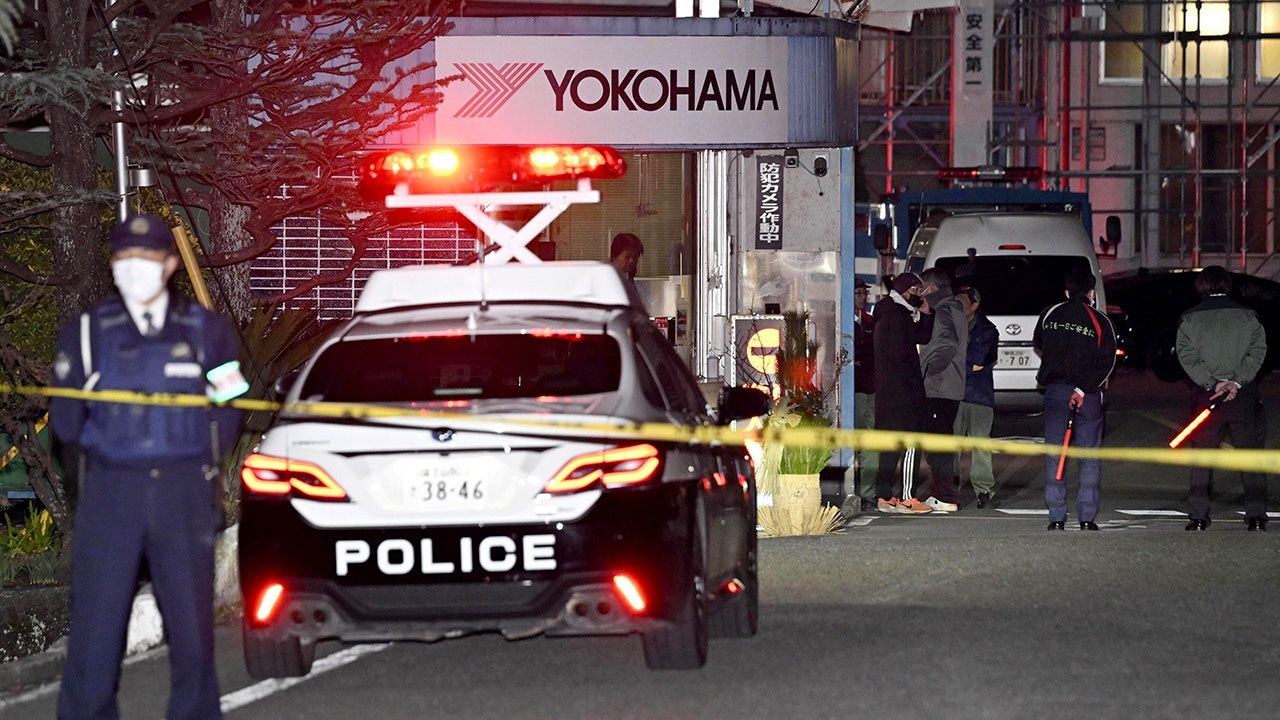
The aftermath of the attack saw emergency services rushing to the scene, with first responders working diligently to treat the injured. According to the Fujisan Nanto Fire Department, five of the stabbing victims were in serious condition, though reports indicate all victims remained conscious during transport to area hospitals. The seven individuals who suffered chemical exposure were also hospitalized for treatment and observation. Images circulating in local media showed the factory grounds swarming with emergency vehicles and personnel, highlighting the severity of the situation and the swift response by local authorities. The Yokohama Rubber facility, which normally bustles with productivity, was transformed into a scene of chaos and confusion as workers fled to safety and medical teams tended to the wounded.
This violent incident stands in stark contrast to Japan’s reputation for low crime rates and workplace safety. Manufacturing facilities in Japan are typically known for their strict adherence to security protocols and employee welfare measures, making this attack particularly shocking to both locals and observers worldwide. The fact that the alleged perpetrator was reportedly a former employee raises questions about screening procedures, access control, and how companies handle employee separations. Workplace violence of this magnitude is exceedingly rare in Japan, which makes the brutality of this case all the more disturbing for a society unaccustomed to such events in professional settings.
The use of both a knife and chemical agent in this attack presents a particularly troubling dimension to the case. The dual-method assault suggests a level of premeditation that investigators will likely focus on as they build their case against the suspect. The attacker’s decision to wear what appeared to be a gas mask indicates awareness of the harmful effects of the chemical he intended to use, pointing to a calculated approach rather than a spontaneous outburst. Police will undoubtedly investigate the suspect’s history with the company, including the circumstances of his departure and any potential grievances or warning signs that might have preceded this violent episode. Understanding these elements could prove crucial not only for prosecution but also for preventing similar incidents in the future.
The victims of this senseless attack now face different paths to recovery, with some confronting life-altering injuries while others deal with the psychological trauma of experiencing such violence in what should have been a safe work environment. The physical wounds from stabbings can require extensive medical intervention and lengthy rehabilitation periods, while chemical exposure may lead to lasting skin damage, respiratory issues, or other health complications. Beyond the physical injuries, many victims will likely struggle with anxiety, post-traumatic stress, and fear of returning to work—psychological burdens that can persist long after physical healing has occurred. The ripple effects of such an attack extend beyond the immediate victims to their families, colleagues, and the broader community, all of whom must process the shock and uncertainty that follows such an unexpected eruption of violence.
As the investigation continues and the community begins to heal, this incident may prompt a nationwide reassessment of security measures at industrial facilities and how companies manage relationships with former employees. The Yokohama Rubber Co. and similar enterprises across Japan will likely review their security infrastructures, emergency response protocols, and employee support systems to identify potential vulnerabilities and strengthen safeguards against future attacks. This case serves as a sobering reminder that even in societies with relatively low rates of violent crime, the potential for workplace violence exists and requires vigilance. Moving forward, the focus will shift to supporting the victims’ recovery, understanding the full circumstances that led to this tragedy, and implementing measures to ensure that workers across Japan can feel safe in their places of employment.