

The Sudden Strike in the Indian Ocean
It was a quiet Wednesday off the coast of Sri Lanka, where the vast expanse of the Indian Ocean meets the bustling port city of Colombo. But beneath the waves, tension erupted into tragedy when a U.S. Navy submarine launched a single Mark 48 torpedo at the Iranian warship IRIS Dena. In an instant, the vessel was sent to the ocean floor, “effectively neutralized” as U.S. Joint Chiefs Chairman Gen. Dan Caine described it—a swift, decisive blow in what the U.S. framed as retaliation against Iranian threats. Crew members on board, totaling around 400, never saw it coming. The ship had been making its way home after participating in a joint naval exercise with India in the Bay of Bengal, a routine voyage turned deadly. As news broke, the world watched in shock, with families and nations grappling with the human cost: 87 lives lost, bodies floating in the waters, and an unknown number still missing amid the chaos.
Voices from Mar-a-Lago and Tehran
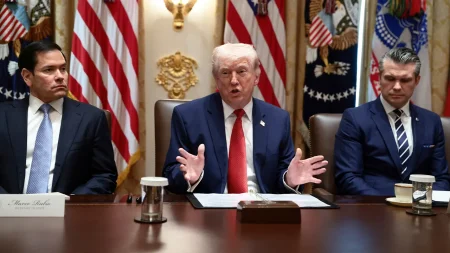
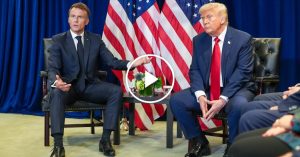
Overseeing the operation from the luxurious confines of Mar-a-Lago in Florida, U.S. President Donald Trump personally monitored the strikes on Iran, a move signaling his administration’s hardline stance. Details from the White House reveal Trump even spoke with Israeli Prime Minister Benjamin Netanyahu during the flurry of activity, perhaps aligning on broader regional security concerns. This wasn’t just a military maneuver; it carried geopolitical weight, echoing the tug-of-war between Western powers and Tehran. But Iran retorted fiercely, with Foreign Minister Abbas Araqchi warning on X that the U.S. would “bitterly regret the precedent it has set.” Claiming the sinking occurred without warning in international waters, Iran painted the attack as an act of aggression, heightening fears of escalation in an already volatile Middle East. Diplomats on both sides traded barbs, each accusing the other of provocation, leaving ordinary people wondering if this was the spark for something far bigger.
Sri Lanka’s Humanitarian Hand
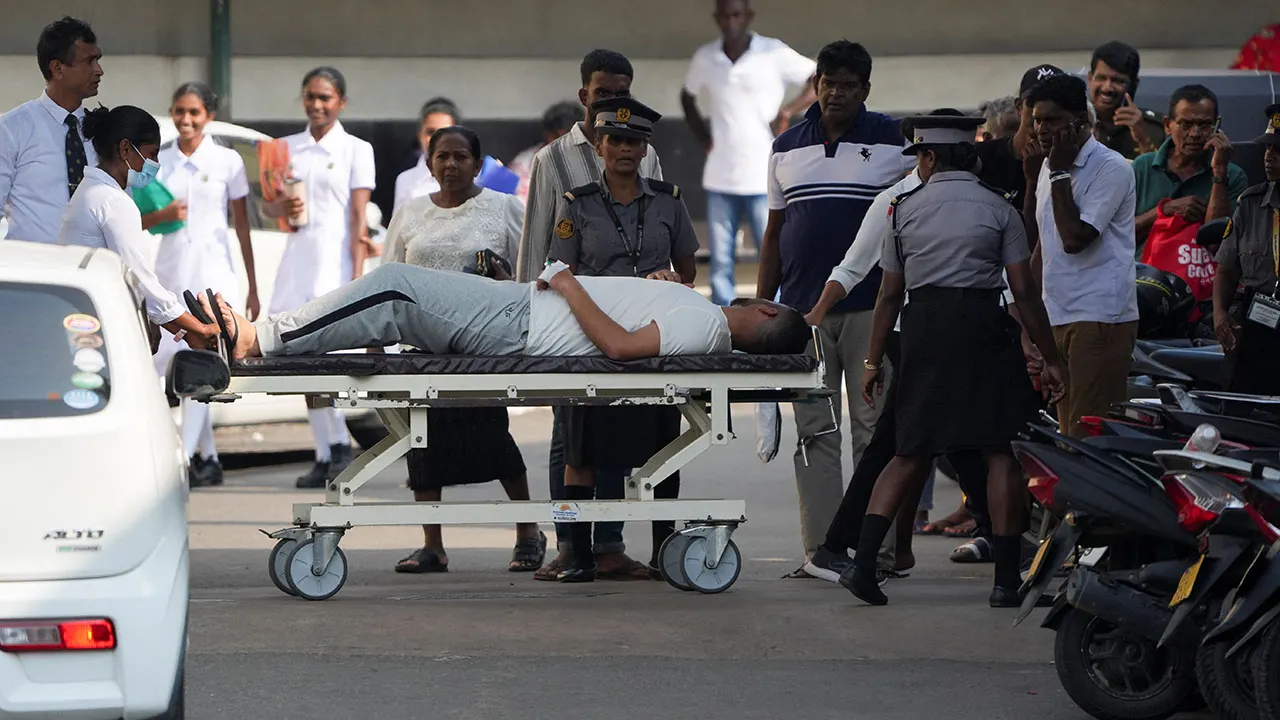
Caught in the middle of this high-stakes drama, Sri Lanka found itself at the center of international diplomacy. President Anura Kumara Dissanayake, addressing reporters in Colombo, announced that after intensive talks with all involved parties, the country had decided to step in and assist the Iranian vessel in distress. It was a moment that humanized the crisis—amid the wreckage and loss, compassion prevailed. Sri Lankan officials didn’t just offer words; they mobilized resources, including two freezers dispatched to store the 87 recovered bodies, treating them with the dignity they deserved. As search and rescue efforts continued for about 10 unaccounted-for crew members, the island nation balanced its sovereignty with humanitarian duty, proving that even in conflicts, some actions remind us of tides of unity.
Crew Offloaded: Faces Behind the Headlines
Beyond the military jargon and political statements, the real faces of this tragedy began to emerge as Sri Lanka aided in offloading the crew. From the ship’s deck near Colombo, 208 survivors were evacuated, every one of them a story of duty, dreams, and now, survival. Among them, 53 officials—seasoned leaders weighed down by responsibility—alongside 84 cadets, young trainees on the cusp of careers, who must now reckon with their first brush with war’s reality. There were 48 senior sailors, hardened by the sea, and 23 sailors, probably eager for simpler shifts before this nightmare. As they stepped onto Sri Lankan soil, exhausted and grieving, you could imagine the relief mixed with fear, knowing their comrades had perished just miles away. Human stories like theirs remind us that war’s toll isn’t abstract; it’s personal, touching lives far from the battlefields.
Repatriation and Recovery in Colombo
With bodies solemnly collected and crew members processing their trauma, Iran turned to Sri Lanka for help in repatriating the fallen. The request underscored the international cooperation needed in such dark hours, as Sri Lankan ports became makeshift hubs for grief. Officials worked tirelessly, coordinating with Iranian representatives to ensure the remains were handled with care, a poignant reminder of how global crises bind strangers. Meanwhile, the search for the missing persisted, a race against the currents and time, driven by hope that not all were lost to the abyss. In Colombo, locals watched the arrivals, sharing stories and sympathy, turning a political flashpoint into a shared human hardship. It was here, in the heart of recovery, that the true weight of loss resonated, not as headlines, but as cries of mothers and fathers awaiting news.
Setting the Record Straight Amid Confusion
As details swirled, an editor’s note clarified a key error: earlier reports had mistakenly claimed U.S. forces sank a second Iranian ship, amplifying the chaos. This correction brought clarity to the narrative, focusing solely on the IRIS Dena incident and its aftermath. Yet, the broader implications lingered—what does this mean for maritime safety, alliances, and peace? In the end, the event exposed the fragility of international waters, where one strike can ripple through families and nations. Sri Lanka’s role as a neutral aider, the U.S.’s assertion of defense, and Iran’s vows of retribution all weave into a tapestry of humanity tested. While Trump might see it as a victory, and Iran as an outrage, for those on the ground, it’s a sobering call to navigate conflicts with wisdom, ensuring tragedies like this don’t repeat. And for those curious, Fox News now offers audio listens to articles like this, bridging the gap between readers and unfolding stories.