

A Nation in Transition: Venezuela After Maduro’s Departure
In the wake of Nicolás Maduro’s sudden removal from power on January 3rd, Venezuela finds itself at a historic crossroads. The former leader’s apprehension and transfer to New York to face justice has sent shockwaves throughout a country that endured three decades of socialist rule. Across Venezuela, citizens are experiencing a complex blend of emotions—relief tempered with caution, hope shadowed by uncertainty, and joy muted by fear of reprisal. After years of economic devastation and political oppression that drove nearly nine million Venezuelans into exile, the initial celebrations that erupted across the nation have given way to a more reserved optimism expressed only in private conversations among trusted circles.
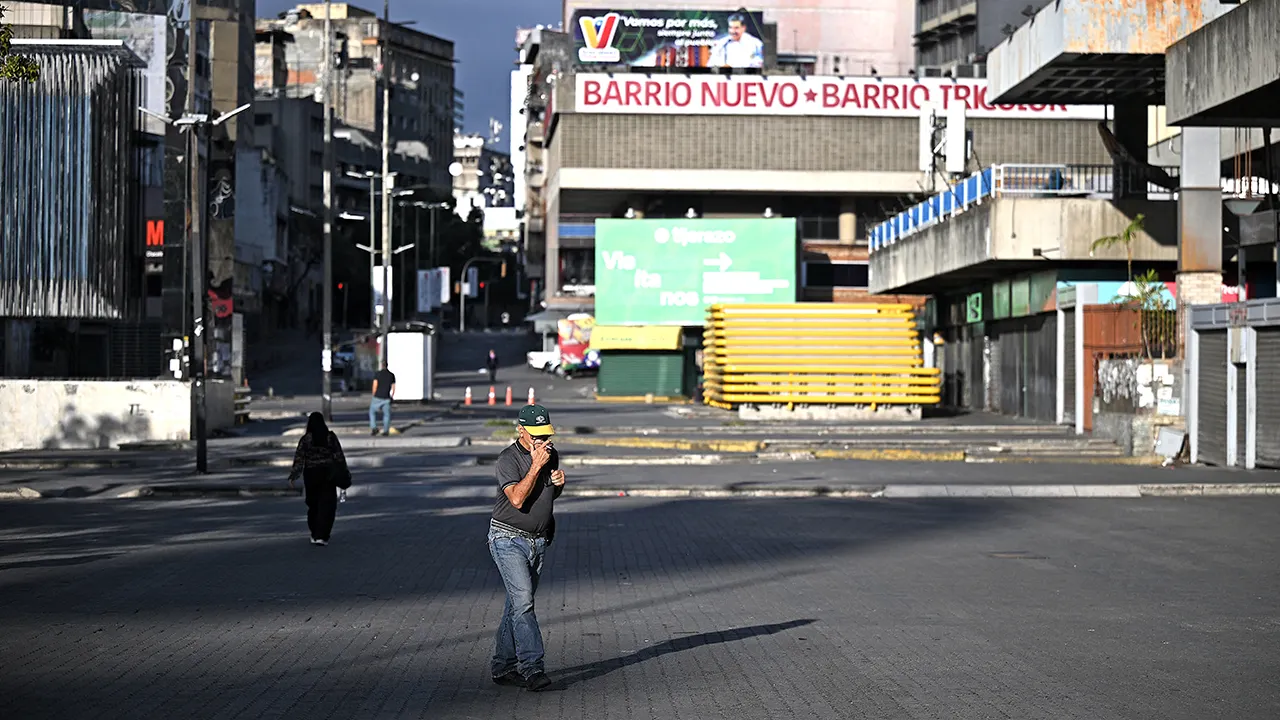
The government’s swift response to clamp down on expressions of support for Maduro’s removal has created a new climate of fear. Authorities have issued decrees classifying any celebration of current events—or even written text messages approving the U.S. operation—as treason against the nation. This harsh stance has been accompanied by the establishment of hundreds of checkpoints throughout Caracas and other regions, where law enforcement officers have been empowered to randomly inspect citizens and their phones. Those found violating these orders face immediate arrest without trial, transforming what could have been a moment of liberation into a period of heightened anxiety. Many Venezuelans now find themselves navigating daily life with extreme caution, deleting potentially incriminating messages and sharing information about checkpoint locations to help others avoid trouble.
For ordinary citizens like Jesús, a 23-year-old university student from a middle-class family in Caracas who also works for a local business, the past week has been defined by stress. “We cannot afford the luxury of staying home and waiting to see how things will unfold,” he explains. His daily commute has become a strategic operation to avoid the numerous checkpoints that have appeared across the city. The presence of police from various authorities stationed at every corner, along with pro-government armed civilian groups known as “colectivos” patrolling to suppress any signs of relief at Maduro’s departure, has created an atmosphere of constant vigilance. Despite these challenges, Jesús expresses mixed feelings: relief that Maduro is gone and hope for positive change, albeit tempered by concern about the potential chaos that might follow the dismantling of established structures. Among his social circles, reactions vary—his student friends are optimistic about a U.S.-influenced future, his family members worry about potential reprisals from remaining government officials, and his colleagues in a wealthy neighborhood display a cautious apathy born from years of broken promises.
The sentiment among Venezuela’s professional class reflects this same cautious optimism. Vera, a university professor who spoke to Fox News Digital, expresses a profound relief that would be difficult for outsiders to comprehend. “The world cannot fathom the joy we feel,” she states, finding some comfort in knowing that Maduro will experience conditions in a U.S. federal prison that, while basic, still exceed what Venezuelan political prisoners endured under his regime. She describes a “generalized uncertainty” throughout Caracas, but notes that the “collective sensation is relief” at seeing political change for the first time in 26 years. Despite her personal reservations about U.S. intentions—acknowledging that American interest in Venezuela’s vast reserves of oil, gas, gold, and coltan comes with strings attached—she believes the intervention became necessary when Venezuela’s own Armed Forces failed to honor the will of the people in the 2024 elections. “This is, therefore, part of the cost we should pay for their inoperancy,” she concludes, while cautioning that economic recovery will require time but appears possible now that political change seems real.
The business sector in Venezuela is experiencing its own form of cautious optimism. According to an entrepreneur based in Caracas who requested anonymity due to fear of government reprisals, the stock market has seen record highs in both trade and value since Maduro’s removal, with some stocks increasing by nearly 20%. The “more pragmatic business elite” harbors hope that a “more normal business environment” might emerge if the transition is handled effectively, even if U.S. interests are prioritized. For recent graduate Hannah, there’s simply relief that Maduro is gone. While acknowledging that Venezuelans should ideally determine their own country’s future, she accepts the reality that “Maduro had to leave one way or another, and now he is gone.”
As Venezuela stands at this critical juncture, the path forward remains uncertain. The country’s people—having endured decades of hardship under an oppressive regime—now face the challenge of rebuilding their nation while navigating the complexities of foreign intervention and internal power struggles. The removal of Maduro represents a significant turning point, but the transition period brings its own set of challenges and risks. Many citizens remain fearful of expressing their true feelings openly, mindful that elements of the previous regime still wield considerable influence and power. Yet beneath this caution lies a resilient hope that Venezuela might finally begin the long process of healing and reconstruction. For a population that has suffered through economic collapse, political repression, and mass exodus, even this precarious moment represents something precious: the possibility of change and a future where prosperity and freedom might once again take root in Venezuelan soil.