







Tragic Collision Between Train and Elephants in India Highlights Conservation Challenges
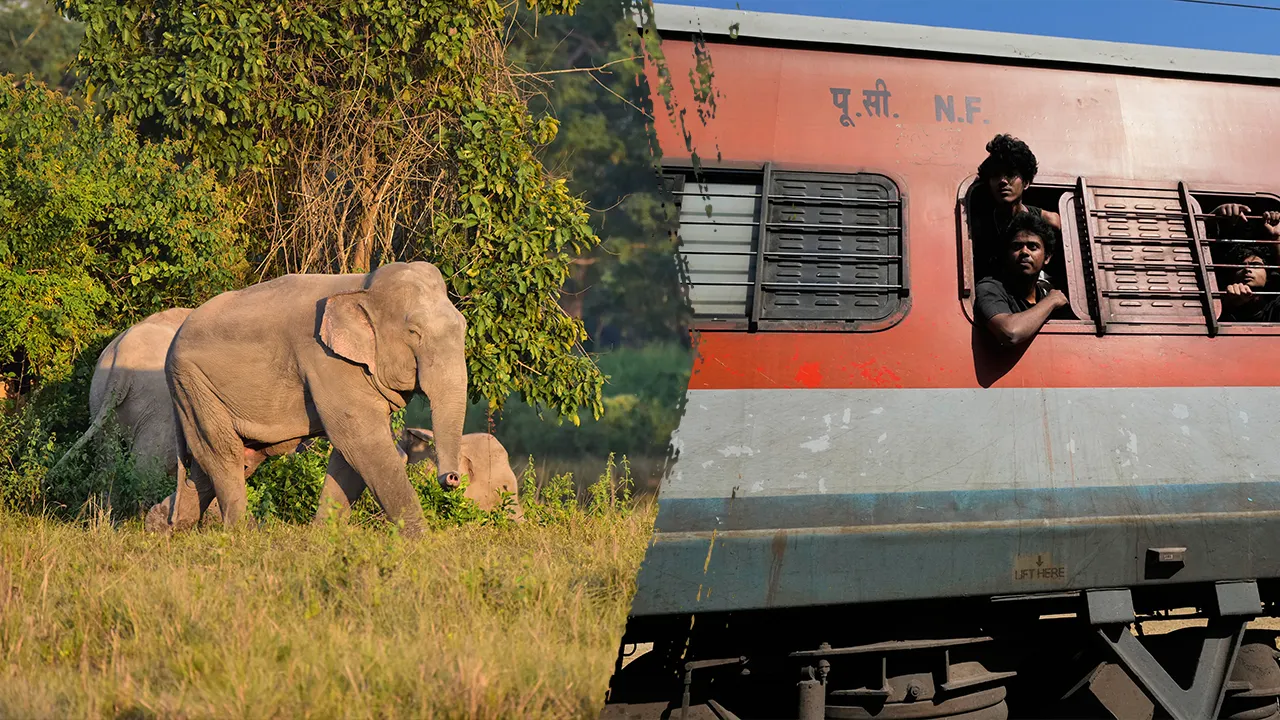
In a heartbreaking incident that underscores the ongoing conflict between human development and wildlife conservation, a high-speed Rajdhani Express passenger train struck a herd of endangered Asiatic elephants in northeastern India early Saturday. The devastating collision killed seven of these majestic creatures and injured a young calf, leaving wildlife conservationists and local communities in mourning. The train was carrying approximately 650 passengers from Sairang in Mizoram state to New Delhi when it encountered around 100 wild elephants crossing the tracks in Assam. Despite the driver’s quick action in applying emergency brakes upon spotting the herd, the train’s momentum made the collision unavoidable, highlighting the tragic consequences when modern transportation corridors intersect with ancient wildlife migration routes.
The impact was powerful enough to derail the engine and five passenger coaches, creating a chaotic scene in the remote northeastern region. In what can only be described as a small miracle amid the tragedy, none of the train’s passengers suffered injuries during the derailment. Railway officials responded promptly, detaching the undamaged coaches to allow the remaining passengers to continue their journey to New Delhi. Meanwhile, approximately 200 passengers from the five derailed coaches were transported to Guwahati via an alternative train. This efficient emergency response prevented human casualties, but could do nothing to reverse the devastating loss to the elephant population that had already occurred.
The aftermath of the collision was somber as veterinarians performed necropsies on the fallen elephants before their burial. These gentle giants, revered in Indian culture and considered sacred in many traditions, met an untimely end in a stark illustration of the unintended consequences of human infrastructure on wildlife. Assam state is home to an estimated 7,000 wild Asiatic elephants, representing a significant portion of the remaining global population of this endangered species. The elephants, known for their intelligence, complex social structures, and crucial role in maintaining forest ecosystems, face numerous threats to their survival, with transportation infrastructure increasingly becoming a lethal hazard in their habitat.
This incident is unfortunately not isolated, but rather part of an alarming pattern. According to reports, at least twelve elephants have been killed on railway tracks in Assam since 2020 alone. These statistics paint a troubling picture of the risks facing elephant populations as they attempt to navigate landscapes increasingly fragmented by human development. The Asiatic elephant, smaller than its African cousin but no less magnificent, has already disappeared from much of its historical range across Asia. With only an estimated 30,000 to 50,000 remaining in the wild according to the U.S. Fish and Wildlife Service, every loss represents a significant blow to conservation efforts and genetic diversity within the species.
The tragedy in Assam brings into sharp focus the challenging balance between economic development and wildlife protection in rapidly developing nations like India. Railways are essential lifelines for India’s economy and human mobility, connecting remote regions with urban centers and facilitating commerce. However, when these transportation corridors cut through natural habitats, they create deadly barriers for wildlife that has used these migration routes for centuries before trains existed. Wildlife conservationists have long advocated for solutions such as dedicated wildlife crossings, reduced train speeds in known elephant corridors, early warning systems using modern technology, and better-designed railway infrastructure in sensitive ecological zones. The recurring nature of these accidents suggests that more comprehensive measures are urgently needed.
As India continues its path of rapid development while simultaneously working to preserve its rich natural heritage, incidents like the one in Assam serve as painful reminders of the costs of progress when not properly balanced with conservation. The loss of these seven elephants represents more than just a reduction in numbers; it’s a loss to biodiversity, ecosystem health, and India’s cultural heritage where elephants have been revered for millennia. Moving forward, this tragedy may hopefully catalyze stronger conservation actions, better integration of wildlife considerations into infrastructure planning, and a deeper commitment to ensuring that development does not come at the expense of India’s precious wildlife. The future of the Asiatic elephant, an umbrella species whose protection benefits countless other plants and animals, may depend on how effectively these lessons are learned and implemented across their remaining range.