


Senator Markwayne Mullin, a Republican from Oklahoma, made headlines this week when he strongly advised Americans to think twice about heading to Mexico for spring break. Speaking on CNBC’s “Squawk Box,” he painted a picture of the country as a powder keg right now, especially after Mexican military forces took out one of the world’s most notorious drug lords. He even shared a personal anecdote: his own chiropractor was planning a trip to Cancún, but Mullin called him out, saying something like, “Are you crazy?” It’s a stark warning that highlights how quickly things can escalate in regions gripped by cartels. Mullin emphasized that the U.S. is watching closely, urging folks to prioritize safety over sunnier plans. This isn’t just politics talking; it’s a real concern from someone who’s been vocal on border issues.
The trouble started when Mexican troops launched a raid in Tapalpa, Jalisco, targeting Nemesio Rubén Oseguera Cervantes, better known as “El Mencho.” This guy wasn’t some small-time crook. A former cop who rose through the ranks, El Mencho led the Cartel de Jalisco Nueva Generación (CJNG), turning it from a local troublemaker into a global empire. Think of it as the big leagues of drug trafficking, supplying huge amounts of fentanyl that’s tearing through American communities. With a $15 million bounty from the U.S., his influence grew after El Chapo’s arrest, establishing Jalisco as their fortress. The Mexican Defense Department revealed the operation involved close coordination with American authorities, who chipped in key intel. But killing a kingpin like that doesn’t just fade away—it sparks chaos.
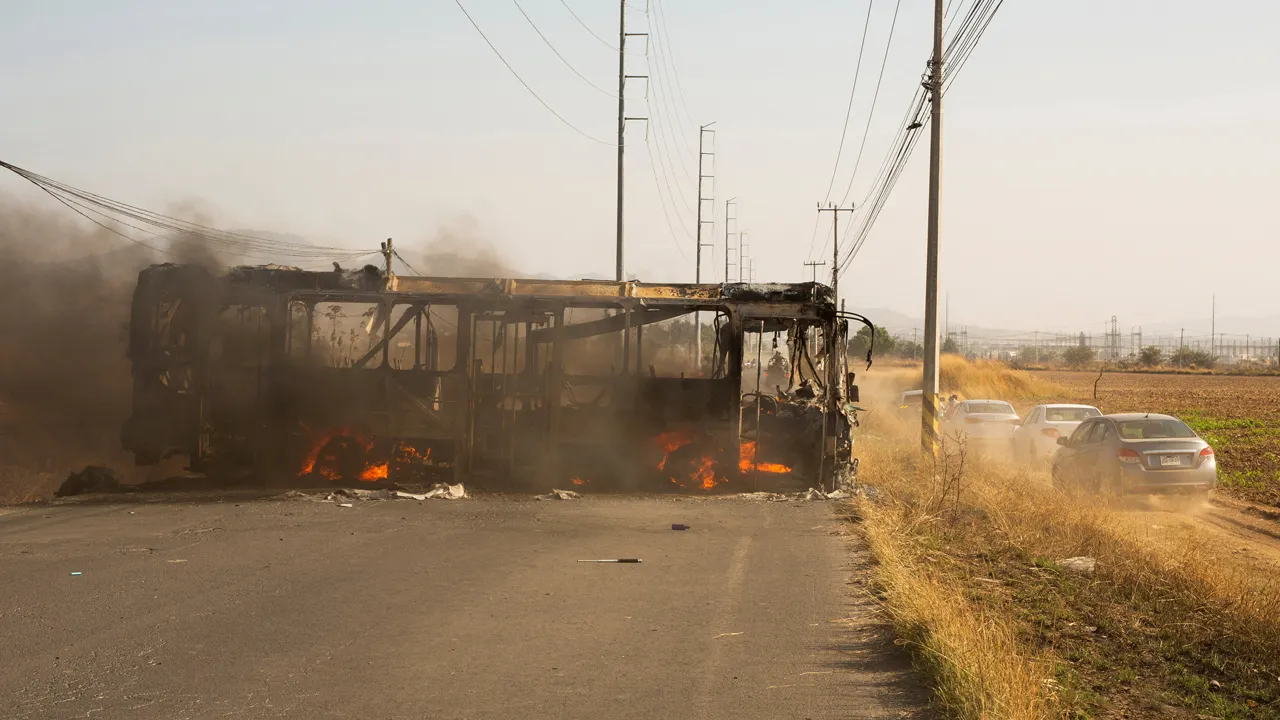
As soon as news of El Mencho’s death broke, the cartel’s retaliation was swift and fierce. Members set fires to vehicles, barricaded roads, and clashed violently in places like western Mexico. Imagine the scene: peaceful towns turning into battlegrounds overnight. Reports flooded in about shootouts and blocked highways, leaving locals and travelers in a state of panic. It was like the fallout from a bad breakup in a crime family—things got messy fast. Authorities scrambled to regain control, issuing warnings to stay indoors. One can only imagine the fear for those caught in the crossfire, people just trying to go about their day turned into unwilling participants in a dangerous drama.
Thankfully, by Tuesday, the Mexican government was reporting some calm had returned. The embassy in Washington reassured everyone that the security situation was stabilizing, with transit routes reopening and services getting back to normal. Airlines were resuming flights, and even Puerto Vallarta’s airport was buzzing again with domestic traffic. They noted some precautions in Jalisco, but emphasized cooperation with international partners to keep tourist spots safe. It’s a relief to hear, showing that the military’s swift action might have paid off, at least in bringing things down a notch. Yet, it’s a reminder of how volatile these situations can be—just one spark, and it’s wildfire.
Despite the rosy embassy updates, the U.S. State Department’s travel advisory for Mexico is still firmly in place. Americans were told to stay put earlier, though that shelter-in-place order has been lifted. But hundreds of worried calls to the State Department from folks stuck in Mexico highlight the lingering unease. With CJNG boasting around 19,000 members across most of Mexico’s states and even being labeled a foreign terrorist organization by the Trump administration, confidence isn’t quick to return. It’s as if everyone’s holding their breath, wondering if this crackdown will lead to lasting peace or just more fragmentation in the underworld.
Looking ahead, Senator Mullin sees a silver lining in the chaos. He argues that with the cartel potentially splintering post-El Mencho, this is a golden opportunity for Mexico and the U.S. to strike hard. “We’re not gonna wipe out all drug trafficking,” he admitted realistically, but he believes we can regain control. It’s an optimistic take from a lawmaker who’s faced down cartels before in his wrestling days—turn this moment of vulnerability into progress. Ultimately, it’s a call to action: vigilance now could mean a safer tomorrow for both sides of the border. Americans might just need to reschedule that beach getaway for another year. Who knows, absorbing the strength of such warnings could inspire smarter policies that hit these groups where it hurts, offering hope in what feels like an endless fight against shadow empires.