


Venezuelans Celebrate Maduro’s Departure: A New Chapter Begins
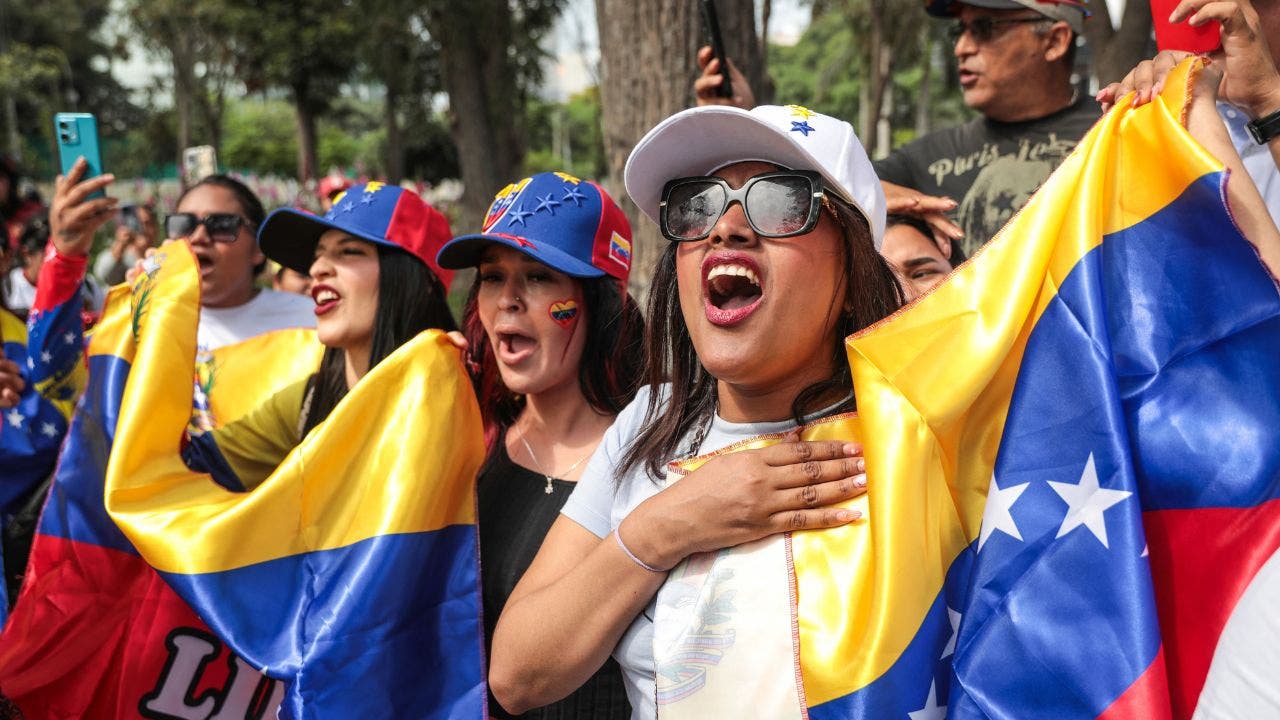
The streets of Miami, Chile, Peru, Ecuador, and Madrid erupted in celebration as news spread of Venezuelan President Nicolás Maduro’s capture by U.S. forces. After years of economic devastation and political oppression that drove nearly 8 million citizens from their homeland, the Venezuelan diaspora finally glimpsed what many called a chance for “libertad”—freedom. Outside Miami’s El Arepazo restaurant, a cultural hub for the Venezuelan community in Doral, Florida, people draped themselves in the country’s red, yellow, and blue flag while chanting “Liberty!” The emotional response reflected a population that had waited desperately for change in their beloved homeland. “We’re like everybody—it’s a combination of feelings,” explained Alejandra Arrieta, who left Venezuela for the United States in 1997. “There’s fears. There’s excitement. There’s so many years that we’ve been waiting for this. Something had to happen in Venezuela. We all need the freedom.” The sentiments were echoed by similar scenes of jubilation outside Trump’s Mar-a-Lago residence and throughout Venezuelan communities worldwide.
The celebrations highlight the extraordinary scope of Venezuela’s diaspora—a massive population displacement that stands as one of the world’s largest humanitarian crises. Since Maduro took power in 2013 following the death of Hugo Chávez, Venezuela’s once prosperous oil-based economy collapsed into hyperinflation and widespread food shortages. The UN Refugee Agency reports that approximately 8 million Venezuelans have fled their country since 2017, with nearly 7 million finding refuge across Latin America and the Caribbean. Hundreds of thousands more resettled in the United States and Europe, forming tight-knit communities that remained politically engaged with their homeland despite the distance. For many, Maduro’s capture represented not just a political development but a potential healing of deep wounds caused by forced separation from their country, families, and former lives.
The announcement of Maduro’s capture came directly from former President Donald Trump, who revealed that U.S. military forces had conducted an overnight operation resulting in Maduro and his wife being flown out of Venezuela. This dramatic development marks a potential turning point for a nation that has suffered through economic freefall despite possessing the world’s largest proven oil reserves. Under Maduro’s leadership, Venezuela transformed from one of Latin America’s wealthiest countries into a state where basic necessities became luxuries, medical care collapsed, and political opposition faced severe repression. The stark reality of Venezuela’s decline is perhaps best illustrated by the millions who chose to flee, often undertaking dangerous journeys across multiple borders rather than continue living under the current regime.
For many in the Venezuelan diaspora, the day’s events stirred complex emotions beyond simple celebration. Children held signs reading “Somos Libres” (We Are Free) in Santiago, Chile, while adults who hadn’t seen their homeland in years expressed cautious hope alongside their jubilation. The response reflects the deep connection maintained by Venezuelans abroad, who have watched their country’s struggles from afar while building new lives elsewhere. Many have sent remittances to family members who remained, participated in opposition political activities, and maintained cultural traditions as a way of preserving their identity while waiting for change. “It’s a combination of feelings,” as one expatriate noted, capturing the mix of optimism tempered by uncertainty about what comes next for a deeply fractured nation.
However, not all reactions to Maduro’s capture were celebratory, highlighting the political divisions that continue to exist regarding Venezuela’s future. In Buenos Aires and other cities, protests both supporting and opposing the U.S. action were scheduled, demonstrating the complex perspectives on American intervention in Latin American politics. In Greece, members of the Greek Communist Party organized demonstrations against Maduro’s capture, viewing it through the lens of sovereignty concerns and historical U.S. involvement in the region. These contrasting viewpoints underscore the complicated nature of Venezuela’s crisis and the challenge of finding a path forward that addresses the humanitarian emergency while respecting democratic principles and national self-determination.
As Venezuelans worldwide process this pivotal moment, their reactions reveal both the deep trauma inflicted by years of economic collapse and political repression, as well as the enduring hope for restoration. What began with Hugo Chávez’s Bolivarian Revolution in 1999 and continued under Maduro’s increasingly authoritarian rule has resulted in one of history’s most dramatic national collapses—transforming an oil-rich nation into one where millions chose exile over endurance. The scenes of celebration from Miami to Madrid represent more than political satisfaction; they embody the possibility of homecoming for a scattered population that never stopped identifying with their homeland despite being forced to build lives elsewhere. Whether this moment truly marks Venezuela’s turning point remains uncertain, but for millions watching from afar, it represents the first genuine hope in years that they might someday return to a country they recognize as the Venezuela they once knew.