



The Heartbreaking Tragedy in Kharkiv
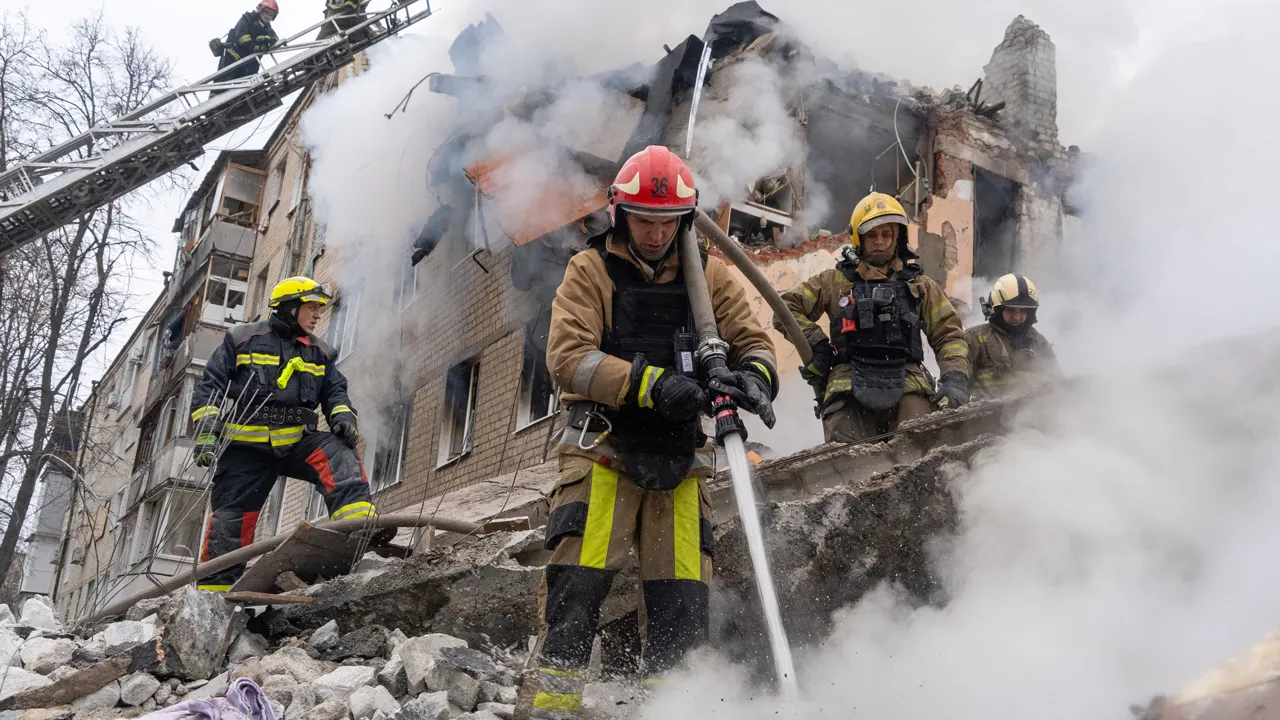
Imagine waking up to the rumble of an explosion that shakes your home, the sudden chaos of dust and debris filling the air, and the frantic cries of neighbors echoing through the streets. That’s the horrifying reality for residents of a residential building in Kharkiv, Ukraine, after a Russian ballistic missile slammed into it on a quiet Saturday morning. Tragically, this wasn’t just another targeted strike on infrastructure; it was an attack on families going about their daily lives. Authorities reported at least 10 lives lost, including two innocent children whose futures were extinguished in an instant. There’s something deeply human about picturing those kids—perhaps playing outside with dreams of becoming doctors or artists, now silenced forever. Another 16 people were wounded, their lives irrevocably altered, dealing with injuries that range from broken bones to deeper emotional scars that time may never fully heal. It’s stories like these that remind us of the human cost of war, far beyond the cold statistics on news feeds. As I reflect on this, I can’t help but wonder about the last moments for those victims—did they hug their loved ones goodbye that morning? Were they planning weekend outings or simple family dinners? This strike wasn’t impersonal; it tore apart communities, leaving widows, orphans, and grieving parents in its wake. The building itself, a symbol of ordinary life, now stands as a grim monument to senseless violence. Eyewitnesses shared tales of neighbors pulling each other from rubble, the air thick with smoke and desperation, while first responders battled to save lives amid the wreckage. It’s a scene that plays out too often in Ukraine, where homes that once held laughter and warmth are reduced to ruins overnight. President Volodymyr Zelenskyy, in his response, captured this raw pain when he spoke of “savage strikes against life.” Indeed, these are lives with names, histories, and dreams—lost to a conflict that feels increasingly distant to the outside world. As someone trying to make sense of this global tragedy, I’m struck by how these events ripple outward, affecting not just Ukraine but the collective conscience of humanity. We hear about missile counts and strategic targets, but behind every number is a personal story of loss that demands our empathy and action.
A Night of Unrelenting Assault Across the Nation
The Kharkiv tragedy was no isolated incident; it unfolded as part of a brutal overnight barrage that Russia unleashed on Ukraine, painting a picture of relentless aggression under the cover of darkness. Picture this: in the dead of night, while most were asleep, 29 missiles and a staggering 480 drones hurtled toward their targets, homing in on Ukraine’s energy infrastructure. Damage was wrought in Kyiv and another seven locations, plunging communities into fear and uncertainty. Power grids flickered and failed, leaving homes without heat or light in the bitter winter cold, forcing families to huddle together for warmth and comfort in the face of the unknown. Zelenskyy addressed the nation and the world, his voice carrying the weight of a leader burdened by incessant heartbreak, imploring partners for a meaningful response. “There must be a response from partners to these savage strikes against life,” he pleaded on X, words that resonate with a father’s anguish over his people’s suffering. He thanked those who refuse to turn away, acknowledging allies who won’t let silence equate to complicity. It’s touching to see Zelenskyy’s thankfulness shine through—even in crisis, he’s grateful for every hand extended in support. He emphasized the ongoing nature of Russia’s campaign, which hasn’t wavered in its aim to obliterate residential and critical infrastructure, turning what should be safe havens into battlegrounds. In a plea for greater protection, Zelenskyy pinned hopes on active collaboration with the European Union, envisioning stronger defenses that could shield civilians like those in Kharkiv from future horrors. As a storyteller reliving these events, I feel the emotional tug of his gratitude—how it humanizes him beyond a political figure, showing a man deeply invested in preserving the lives of those he serves. The international community, from leaders to everyday people, can’t afford apathy; each supportive voice bolsters Ukraine’s resolve. Imagine the relief in those towns as aid arrives, restoring some semblance of normalcy amid the turmoil. Zelenskyy’s message is a call to empathy, urging us to envision ourselves in those shoes—waking to alarms instead of alarms signaling safety. This assault wasn’t just about energy; it was a psychological battering, eroding morale in cities like Kyiv, where families braced for blackouts knowing tomorrow might bring more destruction. Yet, in defiance, communities emerged resilient, sharing stories of neighbors helping one another, proving that human spirit can endure even the darkest nights.
Defenses Under Fire and Russia’s Narrative
In the face of this overwhelming onslaught, Ukraine’s air defenses sprang into action, a testament to the bravery and ingenuity of those on the front lines. Preliminary reports indicate they managed to down an impressive 19 missiles and 453 drones, a heroic defense that prevented untold carnage across 22 locations struck by the remaining nine missiles and 26 drones. Think of the operators in bunkers, eyes glued to screens, hearts pounding as they guide interceptors into the path of incoming threats—ordinary heroes safeguarding lives. But even with such efforts, the attacks caused real harm, targeting not just facades but the essence of Ukrainian resilience. Russia’s Defense Ministry, perhaps predictably, spun a different tale, claiming the strikes were precision operations aimed at military factories, energy facilities, and air bases. It’s a narrative that downplays the human devastation, focusing instead on strategic goals as if residential buildings were mere collateral in a grand chess game. From a humanitarian lens, this feels detached and callous, an attempt to sanitize aggression that disregards suffering. As I ponder this, I find myself empathizing with the families whose homes were hit, wondering about the fear those drones instilled—buzzing harbingers of death evoking memories of wartime films but all too real. Air defense teams, likely exhausted from round-the-clock vigils, showed remarkable skill, yet each missed projectile lands as a reminder of vulnerability. Stories emerge of servicemen celebrating downed threats, but tinged with sorrow for the impacts that slipped through. This clash of narratives underscores the war’s fog: who gets to define truth in a world where lives hang in the balance? For Ukrainians, these defenses are lifelines, manned by sons and daughters from affected communities, each interception a victory for humanity over tyranny. It’s personal here—the operator worried about his own family back home, or the engineer refining systems to do better next time. Russia’s claims, while strategic, fail to capture the heartfelt pleas from Ukraine’s side, where every life saved adds to a growing ledger of defiance.
Trump’s Insights on Hatred and Peace Efforts
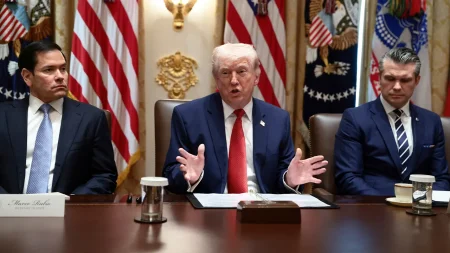
Shifting perspectives, former President Donald Trump offered candid remarks that highlight the emotional undercurrents blocking peace in this protracted conflict. Speaking at the Shield of the Americas Summit in Doral, Florida, Trump described a “hatred” so profound between Russian President Vladimir Putin and Zelenskyy that it stymies negotiations, almost like an insurmountable wall built on personal animosities. “It’s so great that Ukraine, Russia, you’d think there would be a little bit of camaraderie, but there’s not,” he mused, his words evoking the idea of natural allies turned bitter foes. I find this humanizing the leaders, stripping away their titles to reveal men grappling with deep-seated resentments that transcend geopolitics. Trump’s recounting of near-misses in peace talks paints a vivid picture of frustration—times when agreement seemed within reach, only for one side to withdraw, leaving negotiations in tatters. He likened it to a stubborn deadlock, where old wounds fester, preventing rational dialogue. Yet, in his characteristic style, Trump framed his interest as a favor to Europe and “life itself,” emphasizing that America, insulated by oceans, isn’t directly threatened but feels a moral pull. Imagine the weight on his shoulders, having brokered talks amid such tensions, only to see hatred derail progress. His mention of monthly casualties—25,000 to 31,000 souls lost, mostly soldiers—brings a sobering humanity, turning abstract numbers into haunting reminders of fathers, brothers, and friends who won’t return home. It’s a statistic that hits hard, making you pause and reflect on the sheer scale of grief rippling through families on both sides. For those distanced from the conflict, Trump’s perspective invites empathy, urging Americans to see the war not as a remote event but as a tragedy affecting global stability. His calls for resolution carry hope, yet acknowledge the emotional barriers, like ingrained prejudices, that make peacemaking arduous.
The Devastating Toll and Broader Implications
Diving deeper into the casualty figures Trump cited, it’s impossible not to feel the weight of lives lost at an alarming pace—estimates of 25,000 to 31,000 per month, encompassing fighters and civilians alike. This isn’t just data; it’s a cascade of funerals, empty chairs at dinner tables, and orphans navigating a world forever changed. Picture the Ukrainian soldier, fresh from high school, dreaming of a quiet life, now etched in the annals of wartime valor. Or the Russian conscript, perhaps sent reluctantly, leaving behind a family who clings to hope. Zelenskyy had previously told Fox News that Russia aims “to play with the president of the United States,” insinuating stalling tactics that prolong suffering and inflame hatred. Such admissions add layers of betrayal, where geopolitical gamesmanship perpetuates death’s toll. Humanizing these numbers, each loss represents shattered dreams— a child’s birthday celebrations now memories, a veteran’s planned retirement eclipsed by duty. Communities grapple with collective trauma, therapists overwhelmed as stories of loss pour out. For international observers, these figures demand action beyond words; they compel us to confront our complacency. Trump’s favor to Europe resonates here, as does the ocean’s divide yet potential moral divide between helping and watching idly. The war’s persistence magnifies empathy gaps, but narratives like these bridge them, reminding us that every statistic was once a person laughing, loving, and living. As someone reflecting on global interconnectedness, I’m moved by how these deaths echo far, urging allies to intervene before the numbers swell further. Support now could mean families reunited, scars healed, and cycles of hatred interrupted.
A Unified Call for Strength and Solidarity
In wrapping up this narrative of resilience and heartache, Zelenskyy’s unwavering stance serves as a beacon, blending gratitude with a resolute demand for justice. He thanked those amplifying the truth, fostering unity against Russia’s relentless siege. This isn’t just political rhetoric; it’s a leader’s heartfelt plea to protect “our people,” humanizing the struggle through personal stakes. The European Union collaboration he seeks symbolizes hope, envisioning fortified defenses that safeguard everyday Ukrainians. Trump’s insights, though controversial, underscore the emotional labyrinth of peace, where hatred thrives if unchecked. As we listen to Fox News articles bringing these stories to life, the call to action grows clearer: support must not wane, for it’s these breaths of empathy that sustain Ukraine.-Related contributions from Fox News Digital and The Associated Press enrich this account, ensuring voices from the heartland are heard. In the end, humanizing the war reveals its true face—one of loss, but also untapped courage. We owe it to those fallen to keep speaking out, dreaming of a day when missiles yield to dialogues.