






Russian Forces Faltering in Northeastern Ukraine as Kupyansk Slips From Their Grasp
In a significant development on the eastern front of the Russia-Ukraine war, Russian forces appear to be on the verge of a complete withdrawal from the strategic northeastern Ukrainian city of Kupyansk. According to Ukrainian military officials cited by the Kyiv Post, only a small number of isolated Russian troops remain in the city, with their situation rapidly deteriorating as they find themselves cut off from reliable supply lines. Viktor Trehubov, head of communications for Ukraine’s Joint Forces grouping, revealed during a televised briefing that Russian forces inside Kupyansk have dwindled to mere dozens, including foreign mercenaries fighting alongside Moscow’s troops. What’s particularly telling about their precarious position is the increasing rate of surrenders. “They are surrendering,” Trehubov stated. “There have even been cases of foreigners — foreign mercenaries for the Russians — giving themselves up.” This suggests not just a tactical retreat but a collapse of Russian military cohesion in this sector.
The remaining Russian units within Kupyansk are surviving primarily on limited air resupply operations, a method that Ukrainian officials note cannot sustain long-term military presence in the city. “Supply by air bridge alone is not something that allows them to hold out for long,” explained Trehubov, highlighting the logistical challenges facing the trapped Russian forces. Despite Russia continuing to launch multiple assaults along the Kupyansk axis each day, Ukrainian officials assess that these attacks lack both the necessary manpower and reserves to alter the situation on the ground. The Ukrainian counteroffensive appears to have caught Russian forces off guard, further complicating their efforts to reestablish control. “The counteroffensive came as a surprise for the enemy,” Trehubov noted. “Right now, they simply lack the resources to regain control.” This assessment suggests a significant miscalculation in Russian military planning and resource allocation for this important sector of the front.
Perhaps most revealing about the current situation is the shift in messaging from Russian military bloggers and war correspondents, who have begun openly acknowledging that Kupyansk is no longer under Russian control. This represents a notable departure from typical Kremlin-aligned messaging, which tends to downplay or deny territorial losses. “An entire wave of messages appeared saying that Kupyansk is gone,” Trehubov observed. “Even Russian propagandists have switched to a line acknowledging that the city is no longer under their control.” Ukrainian officials have been quick to point out that, contrary to Russian claims, Moscow never fully reestablished control over Kupyansk after its liberation by Ukrainian forces in September 2022, aside from the brief occupation during the early phase of the invasion. This narrative battle illustrates the importance both sides place on controlling not just the physical terrain but also the perception of who holds what territory.
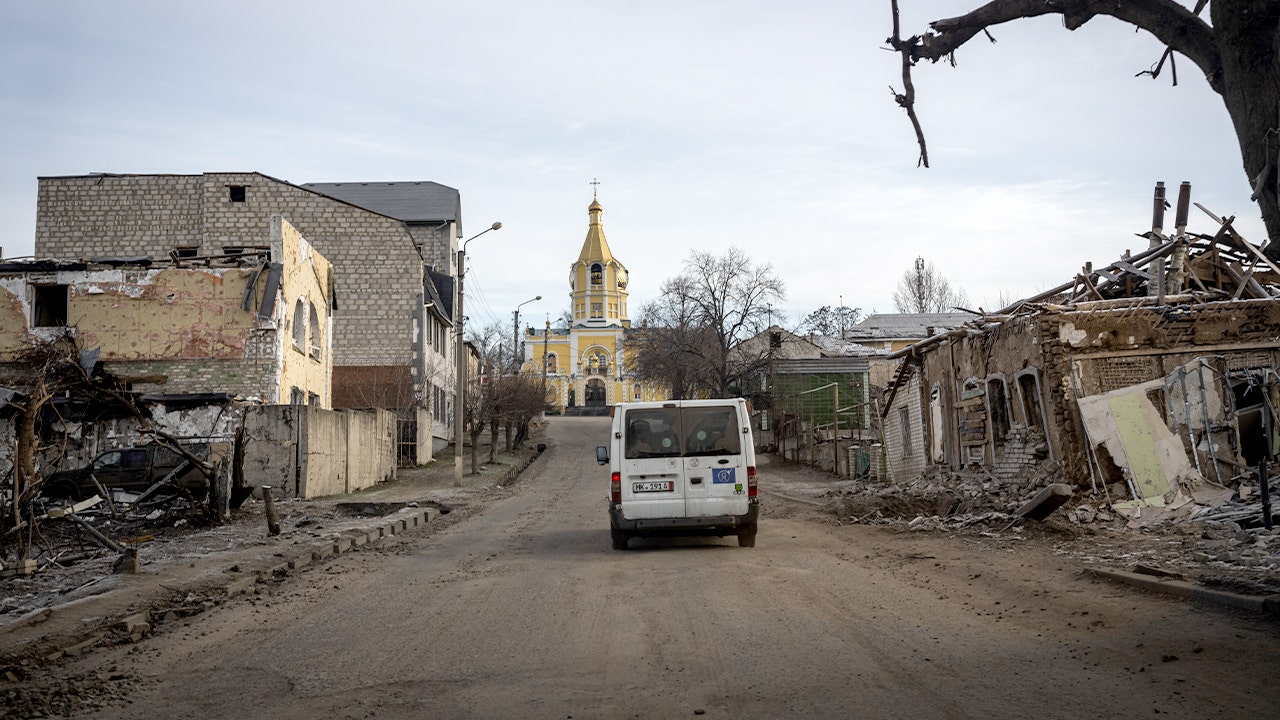
The failed Russian attempt to secure a foothold in Kupyansk reveals significant operational shortcomings. Efforts by Russian units to establish defensive positions within the city’s northern districts have collapsed, leaving those forces in a precarious position where they can neither withdraw nor receive reinforcements. “They themselves now admit that the defense of the city by the same units that entered and tried to secure positions in the northern districts has failed,” Trehubov explained. According to Ukraine’s General Staff, Russian troops carried out five attacks in the Kupyansk sector on December 24, all of which were repelled near surrounding settlements including Petropavlivka, Pishchane, Zahryzove, and Kupyansk itself. While combat continues outside the city, particularly from positions across the Oskil River, Ukrainian forces appear to have consolidated their control over Kupyansk proper, marking an important tactical victory.
Kupyansk represents more than just another contested town along the sprawling eastern front. With a prewar population of approximately 27,000, this city serves as a key rail and road hub in the Kharkiv region, making it strategically valuable for both military logistics and civilian infrastructure control. Its importance to Russia’s territorial ambitions is evidenced by Moscow’s repeated attempts to capture and hold the city since the beginning of the full-scale invasion. The city’s history during this conflict has been tumultuous—initially occupied during the opening months of Russia’s invasion in 2022 before being liberated by Ukrainian forces later that same year. Ukrainian officials maintain that Moscow has consistently attempted to obscure this history through disinformation campaigns, claiming control of areas where their military presence was tenuous at best.
The developments in Kupyansk come against a backdrop of broader diplomatic movements, with reports suggesting momentum building toward potential peace negotiations between Ukraine and Russia. U.S. officials have recently touted progress in talks aimed at reaching what they describe as a “lasting and durable peace.” However, military experts remain skeptical about Russian President Vladimir Putin’s willingness to make meaningful concessions, despite Ukrainian President Volodymyr Zelenskyy’s continued engagement with peace initiatives, including a Christmas ceasefire offer that Putin rejected. The situation in Kupyansk demonstrates the fluid nature of the conflict, where territorial control can shift despite the overall stalemate along much of the front line. As winter sets in across Ukraine, both sides appear to be reassessing their positions and strategies, with the outcome in places like Kupyansk potentially influencing the broader trajectory of the conflict and any future negotiations.