



Russian Drone Attack on Turkish Tanker Highlights Escalating Tensions in Odesa Region
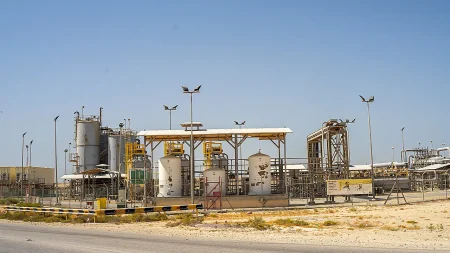
In a disturbing escalation of conflict near the Ukrainian-Romanian border, a suspected Russian drone attack struck a Turkish tanker in Ukraine’s vital Odesa region on Monday. The MT Orinda, which was carrying liquefied petroleum gas, was hit while being offloaded at Izmail port, prompting immediate evacuation of all 16 crew members. The attack set the vessel ablaze, with dramatic footage from across the Danube river in Romania showing thick black smoke billowing into the sky. The timing of this strike appears particularly significant, coming just one day after Ukrainian President Volodymyr Zelenskyy signed an important deal to import U.S. liquefied natural gas through the area. This agreement, finalized during Zelenskyy’s visit to Greece, would establish a flow of American LNG to Odesa via pipelines from the northern Greek port of Alexandroupolis beginning in January 2025—a critical energy security measure as Ukraine faces another challenging winter.
The attack on Izmail, one of Ukraine’s most crucial trade hubs situated on the Black Sea estuary, represents more than just another military strike. It targets essential civilian infrastructure in a region that has become increasingly vital to Ukraine’s economic survival. According to Oleh Kiper, the regional military head, the drone assault caused multiple fires and damaged several civilian vessels beyond just the Turkish tanker. This port area has gained even greater strategic importance since Russia withdrew from the U.N.-brokered Black Sea Grain Deal in 2023, with the Danube corridor emerging as a critical alternative export route for Ukrainian goods. By targeting these facilities, Russia appears to be deliberately attempting to strangle Ukraine’s remaining economic lifelines and disrupt its efforts to secure alternative energy sources as colder months approach—a time when energy demands will increase significantly among the civilian population.
The impact of the strike extended well beyond Ukrainian territory, triggering safety measures in neighboring Romania. Romanian authorities ordered the evacuation of residents from the villages of Plauru and Ceatalchioi in Tulcea County, directly across the river from Izmail. While Romania’s Defense Ministry tracked several aerial targets during the night’s attack, they reported no direct incursions into Romanian airspace. Nevertheless, this incident represents the latest in a series of concerning developments along the border, with Romania issuing multiple alerts in recent months as Russian strikes near its territory have intensified. In an official statement, Romania’s Ministry of National Defense confirmed that “Russian Federation’s forces attacked areas in Ukraine located in the vicinity of the river border with Romania” and that they “notified the General Inspectorate for Emergency Situations, with regard to the establishment of alert measures for the population in the north of the county.”
These border incidents carry profound implications for NATO security considerations. The alliance has already responded to the increasing threat by expanding air-defense operations under its Eastern Sentry initiative—a direct reaction to Russia’s willingness to conduct military operations increasingly close to NATO territory. This latest strike reinforces concerns about potential miscalculations or escalations that could draw NATO members more directly into the conflict. For Romania specifically, as a NATO frontline state sharing a border with Ukraine, these developments create a delicate security situation requiring careful monitoring and preparation. The proximity of Russian attacks to NATO territory highlights the risk of accidental spillover and demonstrates Russia’s apparent willingness to operate dangerously close to alliance boundaries, possibly testing NATO’s resolve and response protocols.
The targeting of energy and port infrastructure in the Odesa region aligns with Russia’s broader strategic approach to the conflict. As winter approaches, attacks on Ukraine’s power facilities have intensified across the country, creating vulnerabilities for civilian populations facing cold weather without reliable heating or electricity. Zelenskyy’s recent U.S. gas deal represents a direct attempt to mitigate these vulnerabilities by securing alternative energy supplies—making it an obvious target for Russian disruption efforts. By striking Izmail port just after this energy agreement was signed, Russia sends a clear message about its willingness to target any infrastructure that might strengthen Ukraine’s resilience or economic stability. This pattern of attacking civilian infrastructure essential for basic human needs continues to raise serious humanitarian concerns about the nature of Russia’s military campaign.
This latest incident underscores the multidimensional nature of the ongoing conflict, where military, economic, energy, and diplomatic factors are deeply intertwined. The attack on a Turkish vessel adds an international dimension, potentially complicating Turkey’s position as it has maintained relations with both Ukraine and Russia throughout the conflict. Meanwhile, the involvement of U.S. energy resources highlights America’s continued support for Ukraine beyond direct military aid. As winter approaches, Ukraine’s ability to secure energy supplies will become increasingly critical for civilian welfare, while the security of its remaining export corridors will determine its economic survival capacity. The strike on Izmail port demonstrates that Russia remains determined to apply pressure across all these dimensions simultaneously, targeting not just Ukraine’s military capabilities but its fundamental ability to function as a state and provide for its citizens. This comprehensive approach suggests a difficult winter ahead as Ukraine continues to navigate both military threats and humanitarian challenges.