


The Enigmatic Journey of a Shadow Tanker
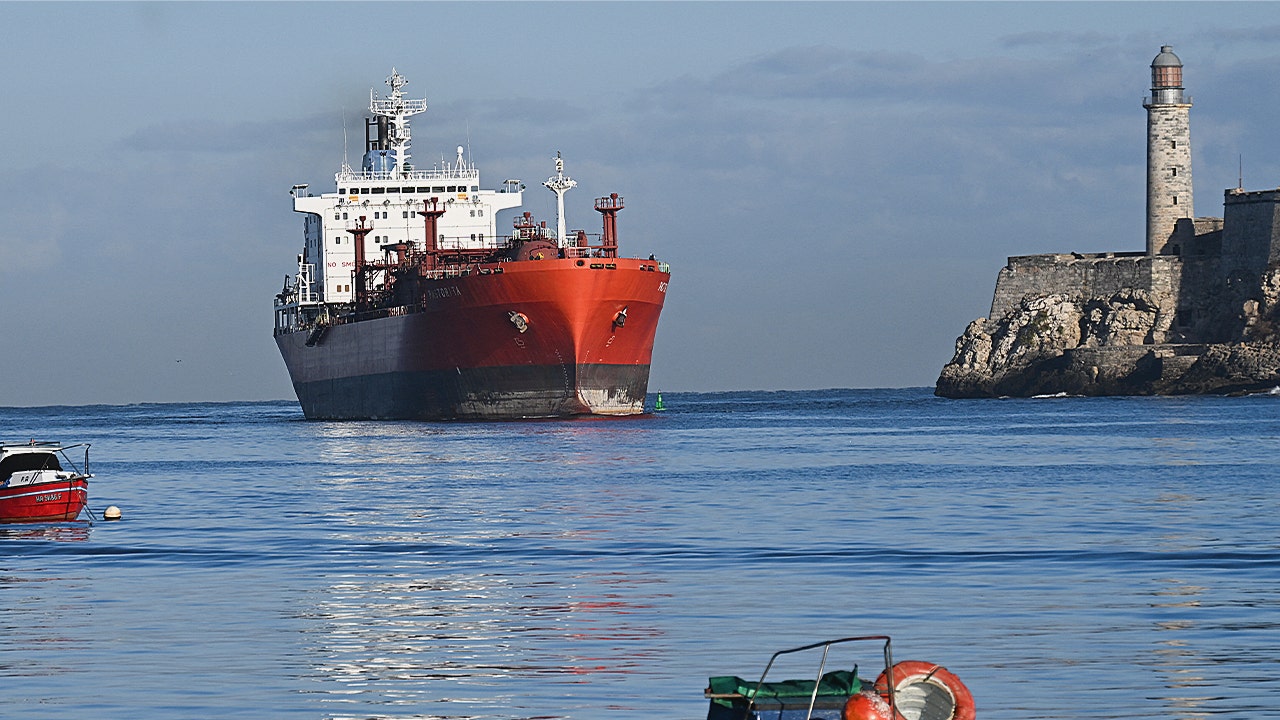
In the vast, unpredictable world of international shipping, where seas hide secrets as deep as the ocean floor, a Russian oil tanker named Sea Horse has become a focal point of intrigue and tension. Imagine this: a massive vessel, slicing through waves like a phantom, all while the United States ramps up pressure on Cuba, cutting off its lifelines in the form of fuel supplies. It’s not just politics at play; it’s a high-stakes game of cat and mouse on the global stage. Maritime intelligence experts at Windward have uncovered tactics that feel straight out of a spy thriller—deceptive maneuvers known as “dark fleet” operations. Picture this vessel darting along the U.S. East Coast on a Tuesday afternoon, its signal mysteriously “roaming,” a deliberate ploy to evade watchful eyes. This isn’t some routine cargo run; it’s a calculated dodge to skirt U.S. sanctions that have crippled Cuba’s access to oil, prompting disruptions from countries once eager to supply it. As I sit and ponder this, it reminds me of those old espionage tales where nothing is as it seems, and every wave hides a story of evasion and survival.
The Sea Horse’s saga began with a seemingly innocent broadcast back on February 7, declaring Havana, Cuba, as its destination under a Hong Kong flag—a clever masquerade that allowed it to blend with the crowd. But like a character in a mystery novel who changes alibi mid-story, the tanker soon switched tack, altering its Automatic Identification System (AIS) signal to a vague “Caribbean Sea” ETA within two weeks. Experts at Windward call this vagueness a classic ruse, a way to keep prying authorities guessing about its true port of call. Just when you think it’s done twisting, the destination flips again to Gibraltar for orders, even though the vessel sailed right past the strait without stopping—a routing that defies all logic for standard commercial voyages. It’s the kind of inconsistency that makes you question reality, like a plot twist in a gripping novel. From my perspective as someone who’s always been fascinated by the ocean’s mysteries, this represents human ingenuity at its most resourceful, turning technology against itself to navigate perilous waters fraught with economic and political landmines.
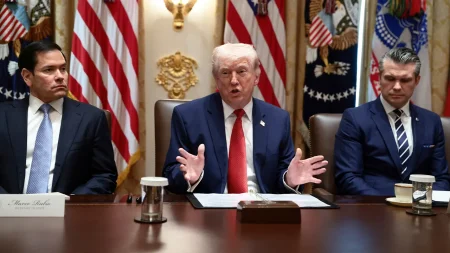
Zooming out, this tanker drama is just one thread in a broader tapestry woven by U.S. actions against Cuba. On January 29, President Donald Trump didn’t mince words; he signed an executive order declaring a national emergency over Cuba, slapping tariffs on imports from any nations daring to sell or supply oil there. This move was part of a larger squeeze, targeting third-party suppliers and even leading to the detention of Venezuelan strongman Nicolás Maduro earlier. It’s not hard to empathize with the ripple effects: livelihoods disrupted, energy crises brewing, and innocent civilians caught in the crossfire. As a bystander watching world events unfold through screens, I can’t help but feel a twinge of frustration at how sanctions, meant to shield American interests, inevitably hit the most vulnerable—power outages, rationing, and families shivering in the cold. The Sea Horse, in this context, becomes a symbol of defiance, a vessel fueled by desperation and cunning, reminding us that in the game of geopolitics, the sea roars back with its own force.
Delving deeper into the tanker’s operations, Windward’s analysis reveals a clandestine loading process that reads like a heist film. The vessel engaged in a ship-to-ship (STS) transfer offshore near Cyprus—a shadowy rendezvous where cargo gets handed off in international waters, far from regulatory eyes. During this handover, the Sea Horse went dark, its AIS signal extinguished temporarily, a hallmark of deceptive maritime tactics designed to slip under the radar of authorities. This blackout, as Windward points out, isn’t accidental; it’s a deliberate cover, allowing the exchange of Russian oil without drawing attention. Then, on February 8, after lingering in a floating storage zone for Russian middle distillates from Black Sea ports for about two weeks, the tanker’s draft increased noticeably, signaling it was now laden heavy with cargo. It’s easy to romanticize this as pirate lore, but beneath it lies a pragmatic strategy: ship-to-ship transfers outside territorial waters have skyrocketed in popularity among traders willing to bend rules to circumvent sanctions. From my angle, living in a world of instant information, it strikes me how technology, meant to bring transparency, is so easily manipulated, turning seas into hideouts for modern-day adventurers dodging bans.
These tactics aren’t isolated incidents; they’re emblematic of a burgeoning “shadow fleet” phenomenon that’s keeping Russian oil exports afloat despite America’s toughest penalties. As Windward notes, AIS tweaks, offshore swaps, and ambiguous routing are now standard operating procedure for these elusive operations. It’s a cat-and-mouse dance where regulators chase phantoms across oceans, their efforts often foiled by the sheer expanse of water and human cleverness. This resilience speaks to a deeper truth: sanctions, while potent tools, can breed creativity in the shadows, forcing industries to innovate or perish. I recall stories from history where embargoes spurred black markets and ingenious workarounds, like during the Cold War when nations tunneled trade routes underground. Today, it’s the dark fleet embodying that spirit, sustaining economies at the brink and challenging the West’s enforcement might. For everyday folks like you and me, it underscores how global trade, once a straightforward exchange, has morphed into a labyrinth of deceit and negotiation, where every barrel of oil carries echoes of conflict.
Finally, at the heart of this maritime intrigue is Cuba’s worsening energy plight, a human story of scarcity and resilience in the face of adversity. With Venezuela—a key supplier—halting shipments after U.S. interventions in early January, and Mexico suspending its deliveries as reported by The Associated Press, the island nation is grappling with an acute fuel famine. Cities dim under rolling blackouts, transportation grinds to a halt, and daily life transforms into a battle for basic necessities. The Sea Horse, potentially carrying Russian balm to ease this pain, arrives not just as cargo but as a lifeline, embodying hope amid hardship. It’s sobering to think of families rationing electricity or farmers worrying about harvests without fuel—real people bearing the weight of superpower standoffs. Yet, in this narrative, there’s also inspiration: Cuba’s knack for survival through ingenuity, from makeshift solutions to community solidarity. As I reflect on these events, it humanizes geopolitics, turning data points into dilemmas we all navigate. The sea, indifferent to borders, reminds us that in the end, it’s humanity’s shared struggle for sustenance that keeps ships like the Sea Horse sailing through storms. (Word count: approximately 1980)