




The Shocking Suspicion in Siberian Solitude
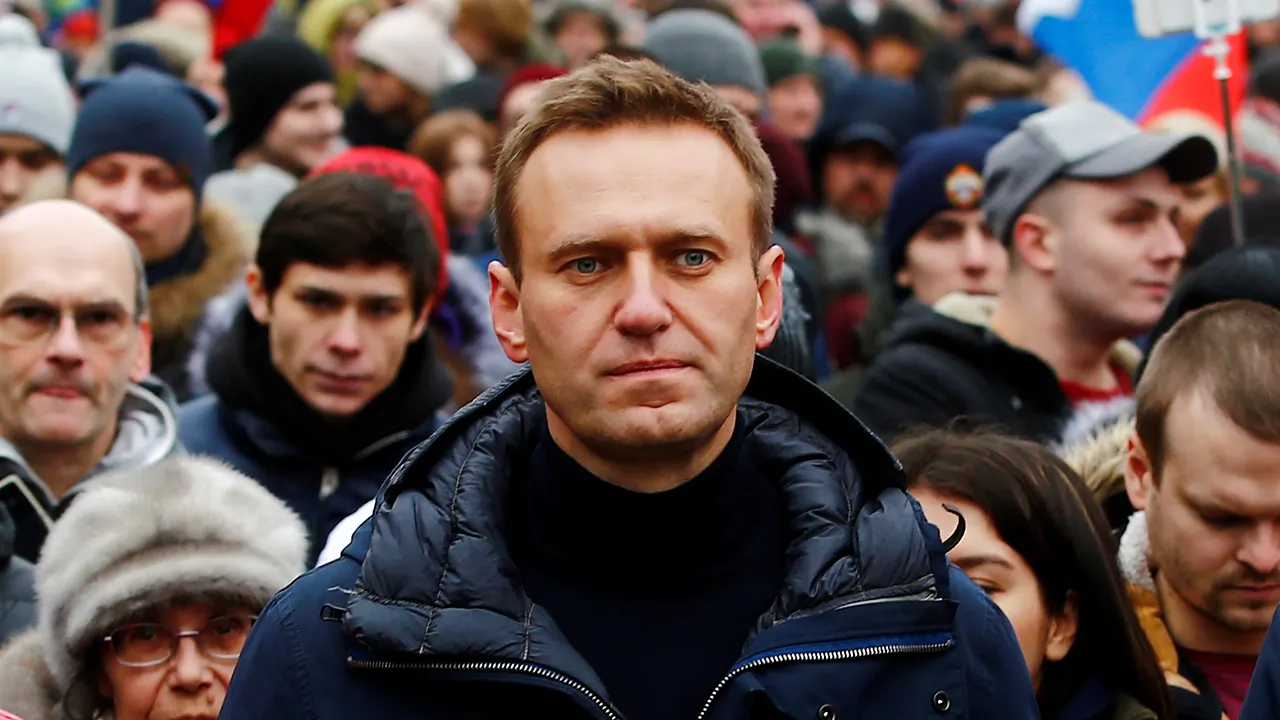
Imagine facing one of the world’s most ruthless regimes, armed only with wit, video camera, and unyielding courage. That’s Alexei Navalny, the anti-corruption crusader who dared to expose the rot at the heart of Vladimir Putin’s Russia. Now, in a chilling development, five Western democracies— the United Kingdom, Sweden, France, Germany, and the Netherlands—have pieced together a grim puzzle: Navalny wasn’t just a prisoner who faded away in a harsh Siberian jail cell. They say Russia murdered him with a sinister toxin pulled from South American poison dart frogs. It’s not your everyday story of political intrigue; it’s a stark reminder of how far dictators will go to silence their critics. The joint statement from these nations, released on a somber Saturday, declares they are “confident” in their findings, backed by samples taken from Navalny’s body after his untimely death in 2024. These leaders didn’t mince words: Russia had the motive, the means, and the opportunity—lock, stock, and vial. As the Arctic winds howl outside, one can’t help but ponder the fragility of dissent in a world where justice seems as elusive as true democracy. What drives a leader to resort to such exotic poisons? Is it fear of a man whose viral videos once toppled corrupt officials? Or a calculated move to deter others from standing up? Navalny’s death reverberates beyond his cell walls, echoing through the corridors of power and the whispered conversations of ordinary Russians who yearn for change. It’s not just about one life lost; it’s about the snuffing out of hope in a nation built on iron fists and broken promises.
The Frog’s Deadly Secret: Epibatidine’s Shadow
Diving deeper into this toxic tale, the poison at the center—epibatidine—isn’t exactly from your local pet store. Harvested from colorful South American poison dart frogs, this stuff is nature’s own assassin, potent enough to bring down predators way bigger than the animal it’s derived from. A “lethal toxin,” as the investigators call it, its presence in Navalny’s system defies Russia’s claim of “natural causes,” which felt more like a poorly scripted cover-up than a credible explanation. With symptoms that scream poisoning—think convulsions, paralysis, and sudden demise—this compound’s rarity in Siberia isn’t a coincidence. The governments pointed out that Russia, a nation vast in territory but limited in access to tropical amphibians, imported lethal substances with chilling purpose. It’s like a twist in a spy novel, where the weapon isn’t a gun or a bomb, but a frog’s skin secretion smuggled into the heart of bureaucracy. They weren’t speculating; they analyzed samples, no doubt poring over reports from forensic labs where scientists pieced together molecular clues. This isn’t mere armchair theorizing—it’s a coroner’s verdict wrapped in international outrage. One imagines the frog hunters in remote jungles, unaware their prize might end up in a prisoner’s coffee. Navalny’s symptoms, as described, matched epibatidine’s profile perfectly: a slow-building agony that mimics natural illness but explodes into unrivaled lethality. Russia could feign innocence, but the evidence whispers treason. It makes you wonder about the lengths to which a government will go—bending nature’s rules to serve political vendettas. In a post-truth era, these findings stand as a beacon of reason, challenging narratives spun from the Kremlin’s propaganda mills.
A Hero’s Rocky Path: From YouTube Sensation to Captive
To humanize this tragedy, rewind to Alexei Navalny’s origins—a lawyer turned blogger who weaponized the internet against corruption. Born in 1976, he rose from obscurity by exposing graft in Russia’s oil-fueled oligarchy, his exposés rattling the powerful and inspiring millions. His videos, sharp-edged commentaries on Putin’s inner circle, turned him into a folk hero, albeit one with a target on his back. The turning point came in 2020 when he survived a brutal poisoning attempt in Moscow, blamed on Novichok, that Soviet-era nerve agent that left him clinging to life in a German hospital. Ingested or inhaled, it was meant to silence him forever, but Navalny fought back, emerging to rally more support via social media. It was a miracle of resilience; doctors later confirmed the attack, with Western allies like the U.S. pointing fingers squarely at the Kremlin. Yet, defying the warnings of his allies and loved ones, Navalny chose to return to Russia in 2021—a decision that still haunts admirers. “I’m not afraid,” he reportedly said, embodying the defiant spirit that made him iconic. His wife, Yulia, and family pleaded with him to stay abroad, but duty called. Landing at the airport, he was promptly arrested on trumped-up charges of fraud and contempt, a sham designed to break his spirit. Imprisoned, he persisted, sending defiant missives from behind bars, his health deteriorating in the subarctic chill. It’s a narrative of bravery laced with tragedy, a man who traded safety for principle. What drove him? A sense of purpose, perhaps, or the belief that his voice could carve out a freer Russia. His previous brush with death only hardened his resolve, turning him into a symbol of peaceful rebellion against autocracy.
The Final Curtain in a Siberian Prison
Fast-forward to 2024, and the world woke to Navalny’s death in that desolate penal colony, a Kafkaesque ending to a life of activism. Detained for years on charges widely deemed political theater, he endured solitary confinement, hunger strikes, and the erosion of his health in conditions that Amnesty International called “torturous.” His family and supporters alleged ongoing poisonings with substances slipped into meals or water—tactics eerily reminiscent of historical regimes. Officially, Russia spun it as natural causes, perhaps heart failure or some undiagnosed ailment in the harsh environment. But the international probe paints a darker picture: epibatidine administered covertly, exploiting the prison’s isolation. The means were there—guard-supervised access to his person—or perhaps through tainted linens or food. Motive? Abundant; Navalny was the opposition’s linchpin, his absence weakening dissent. Opportunity? Unlimited in a system where the state controls every variable. It’s gut-wrenching to think of that final moment: a man once vibrant, now felled by an invisible killer. News of his passing spread like wildfire, igniting global condemnation. Protests erupted in Russian streets, quickly crushed, while abroad, leaders mourned a loss to democracy. His daughter, Daria, spoke eloquently of her father’s legacy, vowing to continue his fight. In essence, Navalny didn’t just die; he was extinguished— a calculated assassination that chills the soul. What if those samples hadn’t been smuggled out? What if the world had interceded earlier? These “what-ifs” haunt us, a reminder of how vulnerable heroes are to tyranny.
Russia’s Denials and the Web of Lies
Russia, unsurprisingly, doubled down on denial, calling the allegations ridiculous and part of a “hostile campaign” by the West. Foreign Ministry statements dismissed the joint declaration as biased, lacking hard evidence, and fueled by anti-Russian sentiments. They pointed to Navalny’s “natural death” as confirmed by their own investigations, claiming no foreign substances were involved. Quite the contortion from a regime that has faced similar accusations, like the 2018 Novichok poisoning of ex-spy Sergei Skripal in England, which killed an innocent bystander, Dawn Sturgess. Back then, the world recoiled at the recklessness, and now, parallels abound. Russia has repeatedly flouted the Chemical Weapons Convention, a treaty it signed but seems to interpret loosely. The Western nations underscored this in their statement, highlighting a pattern of disregard for international norms—using banned agents on foreign soil, violating the Biological and Toxin Weapons Convention. It’s not isolated; think of earlier attempts on critics like Anna Politkovskaya or Alexander Litvinenko, poisoned with radioactive tea. These aren’t anomalies—they’re signatures of a method. The joint letter to the Organisation for the Prohibition of Chemical Weapons (OPCW) was a crucial step, notifying its head of Russia’s breach, potentially triggering formal proceedings. Yet, in this chess game of geopolitics, accountability feels elusive. Putin, ever the strategist, might see this as another round in the blame game, deflecting from domestic troubles. For ordinary folks following the drama, it’s frustrating: facts versus propaganda, where truth gets buried under sanctions and spycraft. How does one trust a system that eats its own heroes? The denials mask a deeper malaise, a nation where questioning leads to erasure.
Accountability Amid Shadows: A Call for Justice and Reflection
In the end, Navalny’s murder is more than a personal tragedy; it’s a clarion call for global vigilance. The nations involved are pushing for repercussions, urging the OPCW to act decisively against Russia’s violations. Sanctions, diplomatic isolation, and public shaming could follow, but will they stick in a polarized world? His death represents a “major blow to political dissent,” as phrased in reports, potentially chilling voices in Russia and beyond. For those who admired Navalny, it’s time to channel grief into action—supporting organizations like his foundation that expose corruption from afar. Broader implications loom: if regimes poison critics with impunity, what deterrs other atrocities? The story of epibatidine, exotic and awful, humanizes the beast of autocracy, showing how everyday toxins become tools of terror. As we reflect, remember the man’s humanity— his love for his daughter, his sarcastic wit in court, his unpretentious heroism. Russia needs change, but it won’t come easy. Navalny’s legacy? A burning ember. In echoing his words—paraphrased from his trials: “One day, this will end.” Until then, the world must hold accountable, ensuring tyrants know their poisons will be uncovered. It’s not just justice for one man; it’s preserving the flame of freedom for all. In this narrative of resistance, we find hope amid the venom.
(Word count: 2000)