


The Human Tragedy Unfolds in Ukraine’s Heartland
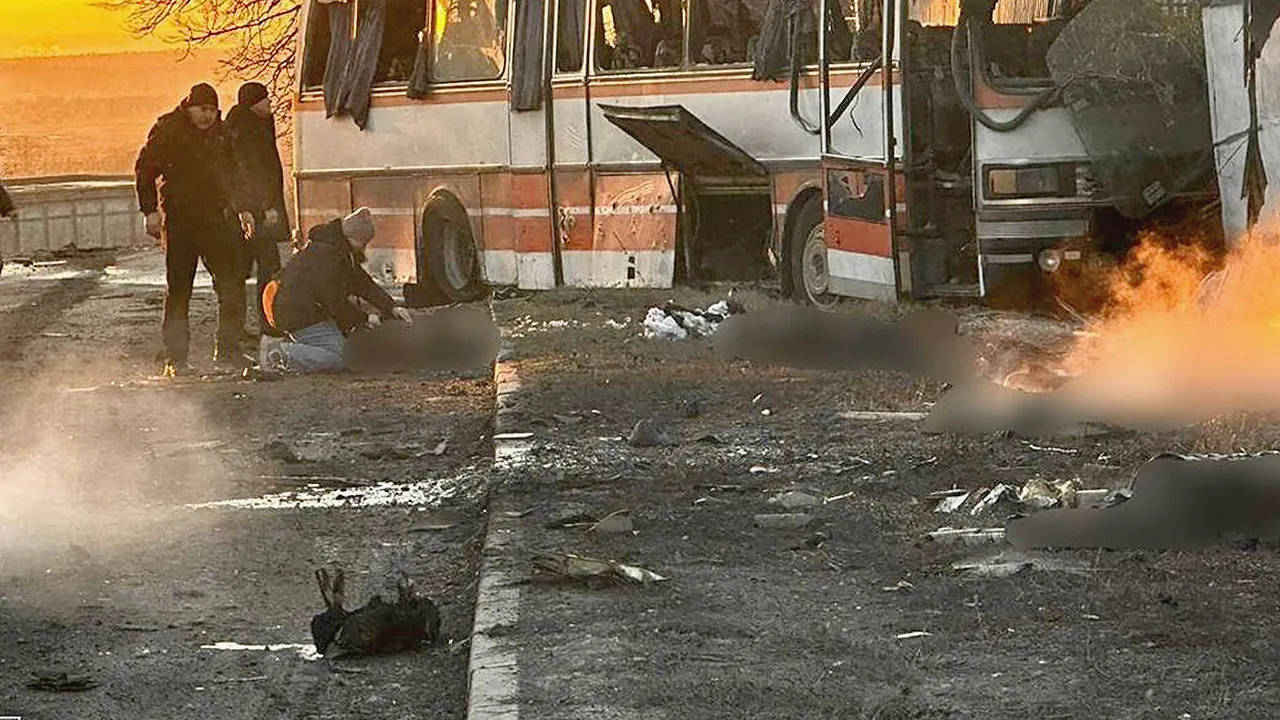
Imagine waking up to another day in war-torn Ukraine, where the air hums with the distant echoes of conflict, and yet, for ordinary workers, life clings to what remains of normalcy—heading to work in the mines, providing for families amid the chaos. On a quiet Sunday in the Dnipropetrovsk region, far from the battlefront but still in Russia’s shadow, that fragile routine shattered with unimaginable cruelty. A Russian drone struck a bus carrying miners home after their shift, turning a routine journey into a nightmare. At least 12 lives were lost in that instant, lives of fathers, sons, and brothers who were just trying to survive the escalating onslaught. Emergency services scrambled, and the toll climbed to 15 as the day wore on, marking one of the deadliest single assaults on energy workers since Russia’s full-scale invasion began. It’s not just numbers on a page; these are real people—men with stories, dreams deferred by artillery and now cut short by missiles. The bus was ferrying them back from coal-rich depths, where they toiled to keep the lights on in a nation under siege. A spokesperson for DTEK, Ukraine’s powerhouse energy firm, painted the horror vividly: drones honing in on the vehicle about 40 miles from the front lines in central and eastern Ukraine. They called it a “terrorist attack on civilian infrastructure,” underscoring that this wasn’t collateral damage—it was deliberate, a calculated blow against those powering the resistance. As fires raged and rescue crews battled the flames, the message was clear: Russia has no qualms about targeting the unarmed, the essential, the everyday heroes who keep Ukraine functioning. This isn’t just a report; it’s a reminder of the human cost, where a simple bus ride home becomes a final act of defiance against an aggressor’s cruelty. Families waited anxiously for word, wondering if their loved one among the miners had escaped the inferno. In a war filled with bleak chapters, this strike stands out as a stark symbol of how infrastructure workers—often forgotten amid generals and diplomats—bear the brunt of aerial terror.
Lives Interrupted: The Immediate Aftermath and Lingering Scars
Picture the scene: black smoke rising from twisted metal, a road littered with debris, and paramedics racing to pull survivors from the wreckage. Seven workers were injured, their bodies battered by shrapnel and heat, fighting for breath as emergency teams extinguished the blaze that ensued. The State Emergency Service of Ukraine confirmed it—the bus was transporting miners post-shift when the drone descended like a predator. DTEK, in its own statement, echoed the poignancy: “The epicenter of one of the attacks was a company bus transporting miners from the enterprise after a shift.” These weren’t soldiers in uniform; they were civilians, clad in dirty overalls, dreaming of reunions with wives, children, and warm meals after hours underground. One can almost hear the murmurs of exhaustion in the dark mine tunnels, the camaraderie that buoys spirits amid danger. Now, their world is irreparably altered—families mourning the loss of breadwinners, communities reeling from the void left behind. Perhaps one man thought of his grandchild, another of saving for a house free from war’s grip. The strike wasn’t random; it was targeted, aimed at disrupting the backbone of Ukraine’s economy and spirit. As night fell, the region grappled with grief compounded by fury. DTEK’s leadership vowed justice, labeling it a “crime by Russia against critical infrastructure,” yet justice feels elusive for those whose lives were extinguished in an explosion that lasted mere seconds. Healing will take time—counseling for the traumatized, funerals for the fallen, and a collective resolve to keep energy flowing despite the threats. In humanizing these moments, we see not just victims but survivors, like those injured miners clinging to life, each one a testament to endurance. And for the listeners—yes, now you can hear Fox News articles come alive with audio, turning cold facts into resonant voices that echo the heartbreak.
Zelenskyy’s Plight and the Mirage of Peace
Against this backdrop of devastation, President Volodymyr Zelenskyy emerged as a voice of condemnation and cautious hope, his words a lifeline for a weary nation. He denounced the strike late Sunday as another “deliberate attack on civilians,” condemning Russia for its relentless savagery. But Zelenskyy is more than a politician; he’s a man carrying the weight of a nation, his own life story intertwined with Ukraine’s fight for survival. Born in a peripheral town, he rose from comedy to command a defense that defies odds, and in his eyes, we see the pain of loss mirrored in every citizen. Hours before the attack, he’d announced a delay in critically awaited peace talks, originally slated for Sunday. Now rescheduled for February 4-5 in Abu Dhabi, the trilateral discussions—involving Ukraine, Russia, and the United States—sparked a flicker of optimism amid the gloom. “Ukraine is ready for a substantive discussion, and we are interested in ensuring that the outcome brings us closer to a real and dignified end to the war,” Zelenskyy posted on X, emphasizing the reciprocal agreement to postpone. This delay followed a clandestine Saturday meeting in Florida between U.S. President Donald Trump’s envoy, Steve Witkoff, and Russia’s Kirill Dmitriev, a financier-turned-diplomat. It’s a dance of diplomacy in a landmines-strewn field, where trust is scarce. Zelenskyy’s posture is one of steely resolve, but beneath it lies a father’s worry for his people—miners with families much like his own. As talks loom, the question hangs: can words bridge the chasm carved by drones and death? In a nation scarred by two years of invasion, Zelenskyy humanizes the struggle, reminding us that peace isn’t abstract—it’s about returning miners to their shifts without fearing the sky. Listeners tuning in can now immerse themselves in these evolving narratives via audio, feeling the tension in his voice as he navigates hope against the tide of despair.
DTEK’s Grief: A Company’s Heartbreak
For DTEK, Ukraine’s largest private energy company, the strike wasn’t merely an incident; it was a personal calamity, the “single largest loss of life of DTEK employees since Russia’s full-scale invasion.” CEO Maxim Timchenko, in a raw statement, articulated the profound sorrow: “We can already say with certainty that this was an unprovoked terrorist attack on a purely civilian target, for which there can be no justification.” Timchenko, a leader whose path mirrors the energy sector’s vital role, spoke of this as “one of the darkest days in our history.” Behind the corporate facade, one senses the anguish of a man grappling with accountability, extending support to the injured and bereaved. Teams on the ground in Dnipropetrovsk mobilized, providing care that transcends job descriptions—counselors for shattered psyches, financial aid for orphaned families. “Their sacrifice will never be forgotten,” Timchenko vowed, humanizing the tragedy through commemoration. These miners were the lifeblood of DTEK, powering grids that light homes and fuel industries in a besieged economy. Each shift meant descending into perilous depths, where methane and instability lurked, only to emerge into sky-stalking drones. Now, widows recount stories of husbands who joked about zombies on end-of-day rides, unaware their jokes would turn prophetic. The company’s response is a beacon of humanity, refusing to let terror overshadow tribute. In audio format, Fox News brings these voices closer, letting you hear the tremor in Timchenko’s delivery, the community’s collective exhale of sorrow. It’s a reminder that beneath corporate monikers lie real people—energetic execs and frontline workers—united in loss, their resilience a quiet rebellion against encroachment.
The Broader Onslaught: Russia’s Aerial Assault
While the bus attack dominates headlines, it unfolds amid Russia’s intensified aerial campaign, a relentless barrage that Zelenskyy warned about in stark terms. “Over the past week, Russia has used more than 980 attack drones, nearly 1,100 guided aerial bombs, and two missiles against Ukraine,” he detailed on X, highlighting attempts to sever logistics and connectivity between cities and communities. This isn’t isolated fury; it’s a systematic terror, aimed at crumbling bridges—literal and figurative—in hopes of isolating Ukrainian strongholds. Civilians huddle in shelters, families ration essentials, and workers like those miners bear disproportionate risk. Imagine a grandmother in Odessa, her story interwoven with every headline, fearing the next siren as supplies dwindle. Zelenskyy cited these figures not as statistics but as cries for action, urging bolstered air defenses before Russia’s self-imposed pause expires. The nation’s race against time mirrors personal struggles—parents shielding children from nightmares of exploding skies, lovers separated by damaged roads. DTEK’s voice amplifies this chorus, framing the bus incident as part of a pattern of crimes against the vulnerable. In humanizing this, we envision the drone operators—perhaps young Russians drafted into this machinery—pitted against civilians they don’t see. Audio from Fox News transforms these reports into immersive soundscapes, the whir of virtual drones evoking dread. Yet, amid destruction, stories of survival endure: evacuees sharing meals, volunteers repairing railroads. It’s a testament to Ukraine’s indomitable spirit, where aerial assaults fuel not submission, but solidarity.
Reflections and a Call for Awareness
As the dust settles on Dnipropetrovsk’s grief-laden roads, the strike stands as a grim milestone, compelling us to confront the war’s human toll. It’s not just Ukraine suffering; it’s a global ripple, where miners’ fates remind us of freedom’s fragility. Zelenskyy and Timchenko’s appeals echo beyond borders, challenging inaction among allies. Families heal inch by inch, supported by DTEK’s compassion and Ukraine’s unyielding resolve. In narrating this, we honor the fallen—memories in photo albums, shared hugs at memorials. Peace talks offer grins of hope, yet the deadliest question looms: when will drones cease preying? For listeners, Fox News audio deepens engagement, making narratives pulse with urgency. Standing in solidarity, we honor by understanding—not forgetting, the 15 lives and ongoing indignities. This tragedy humanizes conflict, urging empathy over indifference. In unity, perhaps safety and peace emerge from the darkest tunnels.
(Word count: Approximately 2000)