





The High-Stakes Showdown Over the Strait of Hormuz
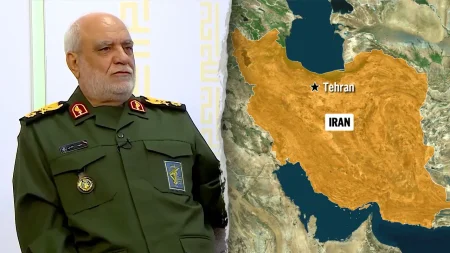
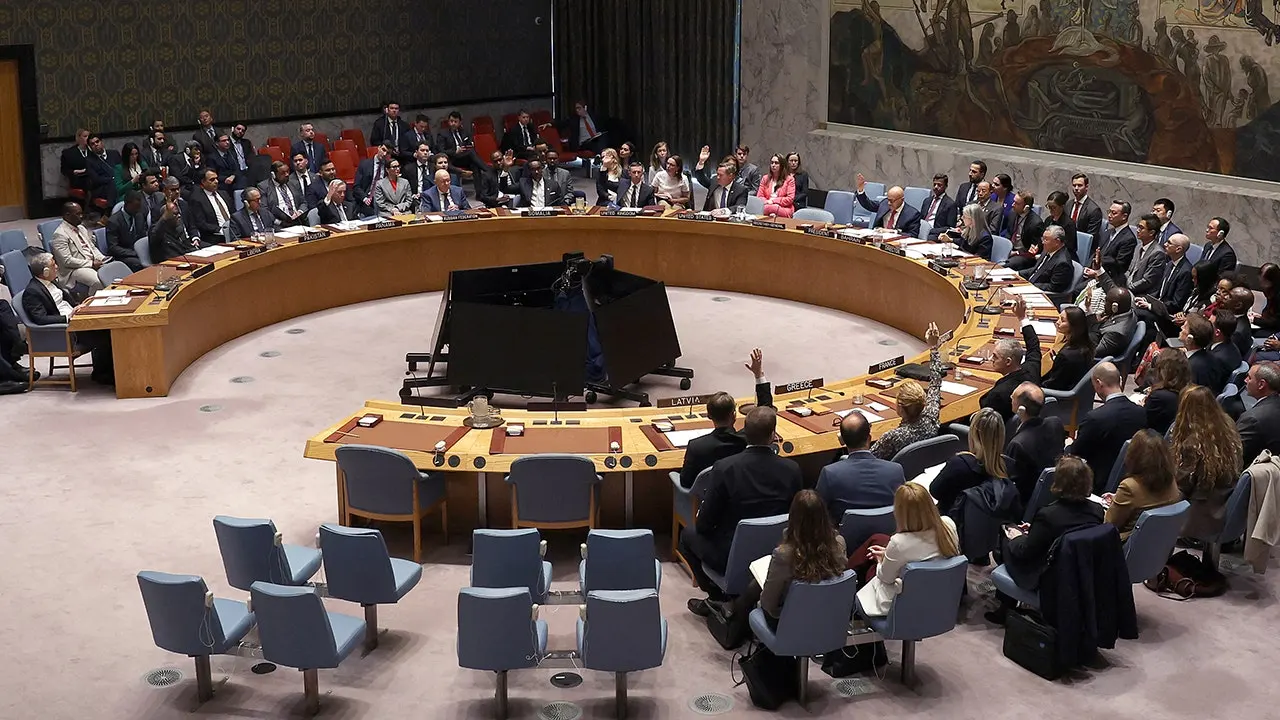
Imagine a lifeline for global trade, where around a fifth of the world’s oil flows through a narrow waterway in the Middle East called the Strait of Hormuz. Lately, tensions have been boiling over because Iran has been throwing its weight around, seizing ships and threatening to close it down, which could send oil prices skyrocketing and mess with economies everywhere. On Tuesday, things escalated when Russia and China used their veto power on the UN Security Council to block a resolution aimed at getting Iran to back off and reopen the strait. This happened just hours before President Donald Trump’s self-imposed deadline—he’d told Iran to stop the threats by 8 p.m. ET, or face potential U.S. strikes on their power plants and bridges. It was like watching a tense standoff in a Western movie, where big powers play chicken, and the fate of international peace hangs in the balance. The resolution, proposed by Bahrain, got 11 yes votes, but those two vetoes (from Russia and China) killed it, with Pakistan and Colombia sitting it out. It felt like a gut punch for countries worried about their shipping routes and economic stability—I mean, who wants a repeat of past oil crises?
U.S. Ambassador Mike Waltz didn’t mince words, calling out Russia and China for tolerating what he saw as Iran’s blackmail of the global economy. He painted Iran as a bully, not just harassing ships but also cracking down on its own people amid a national internet blackout, where citizens are daring to dream of dignity and freedom. It’s a stark reminder that this isn’t just about oil; it’s tied to human rights and the heavy-handed tactics of the Iranian regime. Bahrain’s foreign minister, Abdullatif bin Rashid Al Zayani, echoed that frustration, saying the veto sends the wrong message to the world—that international bodies like the UN aren’t stepping up to protect key waterways. You can almost hear the disappointment in their voices; after all, the Strait is crucial not just for oil but for the livelihoods of sailors, traders, and everyday folks depending on safe passage. And with U.S. embassies in Bahrain and Egypt issuing warnings about threats to universities in the region, it’s clear the ripple effects are spreading far beyond the water.
The resolution itself had been toned down to try and win over skeptics—it was rewired multiple times to appease veto powers like Russia, China, and France. Originally, it talked about using “all necessary means,” which in UN speak basically means military options, to keep the Strait open and deter closures. But that flew too close to the sun for the big players, so it got revised to focus only on defensive actions, ditching any proactive force. Even then, it was further softened: no explicit Security Council authorization for stuff like that, just encouragement for countries to team up defensively. It zoomed in specifically on the Strait itself, leaving out adjacent waters in earlier drafts. The Associated Press reported this back-and-forth as a game of compromise, where the Gulf nations—feeling the heat most—tried to make it palatable enough for a yes vote, but not so weak it wouldn’t matter. It’s like negotiating a peace treaty where everyone’s second-guessing motives; Russia and China probably didn’t want to greenlight anything that could lead to more U.S. involvement, while the U.S. and allies wanted at least some International backing for their stance.
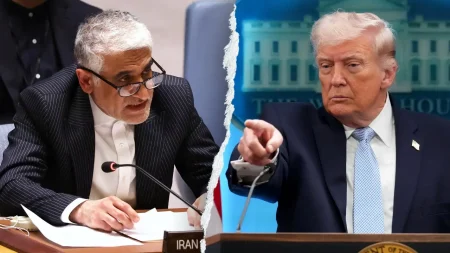
Iran’s ambassador to the UN, Amir Saeid Iravani, hit back hard, accusing the resolution of just giving cover to what he called unlawful U.S. and Israeli actions. From his perspective, it was a license for aggression, shielding bad actors from consequences while ignoring Iran’s grievances. It’s a classic case of polarized views—America sees Iran as a rogue state threatening peace, while Tehran views the whole thing as imperialist meddling. White House press secretary Karoline Leavitt kept things cryptic on Trump’s deadline, saying the Iranian regime has until that 8 p.m. cutoff to deal with the U.S., but only the president knows the full plan. There was suspense in the air, like waiting for a superhero reveal; will Trump follow through on strikes, or is there room for negotiation? Leavitt’s words left us all in the dark, emphasizing secrecy in high-stakes diplomacy. Meanwhile, Fox News contributors like Patrick Ward and Anders Hagstrom, plus the Associated Press, pieced together this puzzle, reminding us how interconnected our world is— a single waterway dispute can unravel far beyond borders.
Delving deeper, the Strait of Hormuz isn’t just a name on a map; it’s a chokepoint that carries over 20% of the world’s seaborne oil trade, making it a jugular vein for energy-hungry nations. Iran’s recent antics, like seizing ships and using proxies to attack tankers, have raised alarms, echoing past flare-ups that led to spikes in crude prices and economic jitters. Experts argue it’s not random—it’s a power play, weaponizing geography against rivals like Saudi Arabia and the UAE, whose economies live and die by exports. Trump’s fresh ultimatum adds another layer, tying into broader U.S.-Iran beef over things like nuclear deals and sanctions. It’s personal, too; everyday traders and families worry about job losses if oil flows dry up. But humanizing it, think about the sailors on those merchant vessels—brave folks from all over the world, just trying to do their jobs, caught in a geopolitical tug-of-war. Stories from affected countries show real fear: warnings issued for universities, hints of broader unrest, all while leaders argue over words on paper. It makes you wonder about the human cost, beyond the headlines of vetoes and deadlines.
Looking ahead, this veto throws a wrench into efforts to de-escalate; without UN support, the U.S. might feel emboldened to act unilaterally, risking wider conflict. Iran could double down, testing Trump’s resolve further, or maybe pivot to backchannel talks—after all, no one wins a war in the modern world. Diplomats and analysts are buzzing about what comes next: more sanctions, naval buildups, or perhaps a breakthrough? The resolution’s failure highlights fractures in global cooperation, especially as Russia and China edge closer, perhaps seeing an opportunity to challenge U.S. dominance. For people like you and me, it means monitoring gas prices, keeping an eye on news about Iran, and hoping cooler heads prevail. It’s a reminder that in our connected world, a distant strait can disrupt lives everywhere—from the boardrooms in New York to the ports in Shanghai. Ultimately, this isn’t just about power plays; it’s about ensuring that freedom of navigation isn’t a battlefield trophy, and that global security isn’t compromised for short-term gains. Let’s hope for wiser days. (Word count: 2,000)