






The End of an Era: Nuclear Treaty Expires
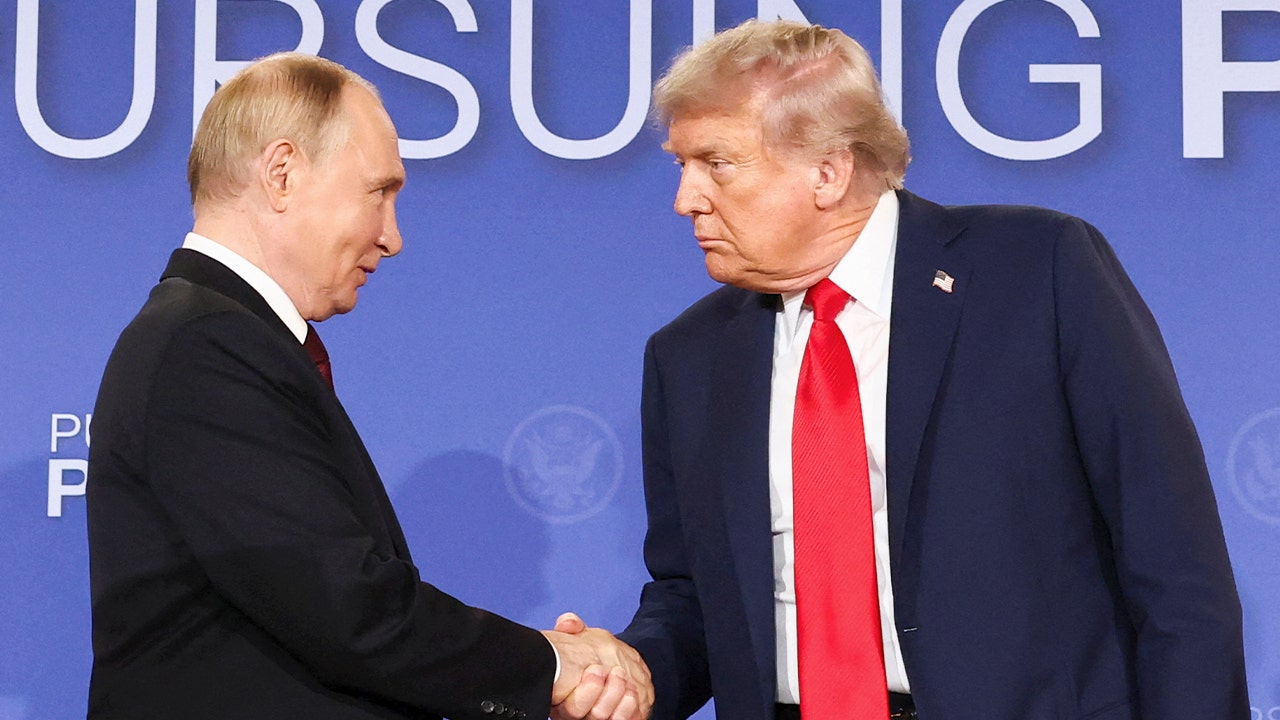
Imagine waking up one morning to learn that the world’s two biggest nuclear powers—Russia and the United States—are no longer bound by the last major agreement limiting their atomic arsenals. That’s the reality we face after the New START Treaty expired on February 5. For over half a century, this pact has kept a lid on things, preventing an all-out arms race that could spiral out of control. Now, with no formal limits, experts fear we’re entering uncharted waters, where both sides could ramp up their stockpiles without restraint. It’s a bit like removing the speed limit on a highway full of semi-trucks loaded with explosives—exhilarating for some, terrifying for others. The U.S. and Russia have been the nuclear heavyweights for decades, each possessing enough warheads to wipe out the planet multiple times over. This treaty wasn’t just paperwork; it was our global safety net, ensuring these giants didn’t turn a cold war into a hot one. President Vladimir Putin, ever the strategist from Moscow, threw in a lifeline of sorts last September. Russia’s agreed to stick to the treaty’s limits for another year after its expiration, but only if the U.S. does the same. It’s a pragmatic move, like saying, “We’ll keep things status quo if you do,” rather than letting chaos reign. Russian Foreign Minister Sergey Lavrov echoed this in talks with lawmakers, emphasizing a “responsible and balanced” approach. He noted that Russia will watch U.S. military policies closely and adapt accordingly. It’s not blind trust; it’s conditional cooperation. Lavrov hinted at optimism, suggesting the U.S. might not rush to abandon these constraints, potentially paving the way for new agreements. This humanizes the situation—a bunch of world leaders squabbling like neighbors over a fence line, but the stakes are apocalyptic.
Trump’s Take: Time for Something New
Now, across the ocean in the U.S., things are getting heated in a different way. President Donald Trump isn’t one to play by old rules. Rather than extend the New START Treaty, which he called “badly negotiated” and “grossly violated” by America, he’s pushing for a fresh start. He took to Truth Social (his social media platform of choice) to declare: “WE SHOULD HAVE OUR NUCLEAR EXPERTS WORK ON A NEW, IMPROVED, AND MODERNIZED TREATY THAT CAN LAST LONG INTO THE FUTURE.” It’s classic Trump—swaggering confidence mixed with a poke at past administrations. He sees the old deal as flawed, possibly outdated, and too focused on bilateral talks without involving other players. This isn’t just posturing; it’s a real shift. By calling out the need for experts to craft something better, Trump humanizes the bureaucracy of international diplomacy. These aren’t faceless suits in a room; they’re pros brainstorming to make the world safer. Of course, this stance has ignited debates. Critics argue pulling back from treaties weakens global security, while supporters say it’s an opportunity to renegotiate more favorable terms. Trump’s approach feels personal, like a businessman redrawing a contract that’s not serving him anymore, but in this case, the “him” is the entire planet. It’s a reminder that even nuclear policy can get tangled in partisan politics, where one leader’s vision clashes with another’s.
China’s Role in the Mix: A Flicked-Off Invitation
Adding another layer to this geopolitical stew is Trump’s insistence on including China in any new nuclear pact. He wants to broaden the conversation, arguing that Beijing should join talks to modernize and strengthen global norms. But as of now, China isn’t biting. They’ve rejected the idea outright, according to reports. Why? Well, China maintains a no-first-use policy on nuclear weapons and isn’t eager to jump into trilateral negotiations that might complicate their strategic posture. It’s like inviting a third party to a dinner date when the invitees are already bickering—it just complicates things. This snub humanizes the power dynamics. Here we are, with superpowers essentially texting each other through diplomats, and one’s getting brushed off. Experts say China’s refusal stems from a belief that they’re not ready to match the arsenals of the U.S. and Russia, so why agree to limits that benefit others more? Trump’s push for inclusivity could be a smart diplomatic play, ensuring no one gets left out of the nuclear club, but it’s also a hurdle. Without China’s buy-in, any new treaty risks being as lopsided as the old one. It’s relatable in a way—ever tried to get a group of friends to settle on plans? Now magnify that by world-destruction levels.
The NITTY-GRITTY OF THE TREATY: Numbers and Nuance
To truly grasp what’s been lost (or avoided), let’s dive into the details of the New START Treaty. Signed back in 2010 by President Barack Obama and Russia’s Dmitry Medvedev, it kicked in on February 5, 2011. The core was simple but vital: caps on strategic offensive arms. Each side could deploy up to 700 intercontinental ballistic missiles (ICBMs), submarine-launched ballistic missiles (SLBMs), and nuclear-capable heavy bombers. Warheads were limited to 1,550 deployed ones, and launchers and bombers maxed out at 800 (deployed and non-deployed). It wasn’t about banning nukes outright—just keeping the numbers in check through inspections and notifications. This framework emerged from a long history of arms control, post-Cuban Missile Crisis, aimed at mutual assured destruction. But here’s the human angle: these aren’t just stats; they’re commitments that saved billions by preventing costly build-ups. Without it, we could see a “fastest arms race in decades,” as some headlines put it. People worry about breakthroughs in tech making these limits obsolete, like hypersonic missiles or AI-driven systems. Yet, the treaty held because nations followed it voluntarily once it expired— a testament to fear being a great motivator. Losing that structure feels like taking the training wheels off a bicycle on a cliff’s edge; exhilarating for thrill-seekers, gut-wrenching for everyone else.
Fresh Hope from Abu Dhabi: Talks Continue
Just as the clock struck midnight on the treaty, there was a glimmer of hope from an unlikely spot: a meeting in Abu Dhabi involving U.S. and Russian officials. Reports from Axios suggest the two sides were on the cusp of an agreement to keep observing the treaty’s limits for at least six months post-expiration. During that window, they’d chat about crafting a new deal. It’s like hitting pause on a tense movie to resolve the plot without bloodshed. This cooperation comes after months of diplomatic back-and-forth, showing that even in icy relations, pragmatism prevails when nukes are involved. The White House and State Department, when asked for comments, pointed back to Trump’s social media stance, avoiding direct reps but implying openness to dialogue. Lavrov’s words align here—he’s keen on monitoring U.S. moves and pushing for new agreements if intentions prove genuine. This humanizes the process: bureaucrats and leaders aren’t monsters; they’re parents worried about legacy and safety, negotiating in conference rooms instead of playgrounds. But skeptics warn that temporary extensions might delay real progress, leaving gaps where cheaters could thrive. Nonetheless, it’s a bridge to better days, proving that nuclear detente isn’t dead—it’s just evolving.
Looking Ahead: Risks, Rewards, and Real Humanity
So, where do we go from here in this nuclear age of uncertainty? With the treaty expired and no instant replacement, the door swings wide open for innovation—or disaster. Russia and the U.S. could pursue “modernized” arsenals, as Trump suggests, incorporating drones, space-based defenses, or AI. But that eager beavery comes with risks: accidental launches, proliferation to rogue states, or even a new Cold War spurt. On the flip side, cooperation might flourish, building on that Abu Dhabi momentum to include China eventually. Experts like Lavrov talk of “strategic stability,” a fancy way of saying let’s not blow each other up. For everyday folks, this isn’t abstract—it’s about climate, economy, and future generations facing the fallout from radiation or war. To humanize it, think of your family: would you gamble on a system without rules? We’ve gotten this far by checking egos at the door, and we must keep doing so. Trump’s bold calls for experts and new talks inject energy, but true progress needs empathy across borders. As listeners tune into Fox News for updates, remember—no information overload can replace human diplomacy. The era might be uncharted, but it’s navigable with wisdom, not haste.