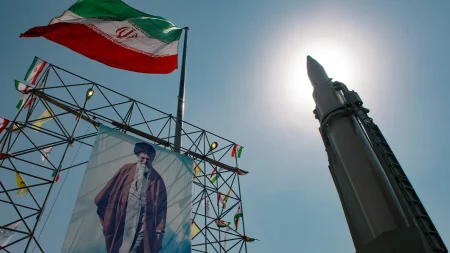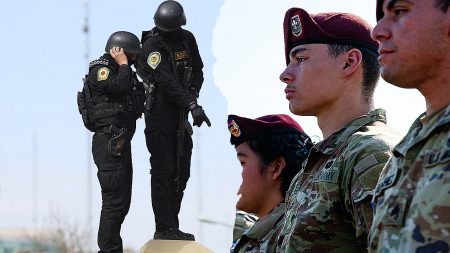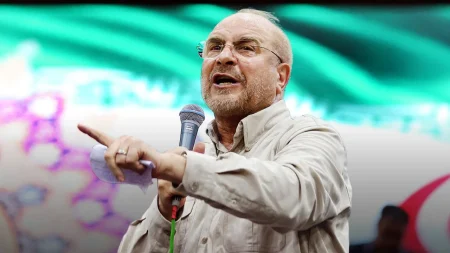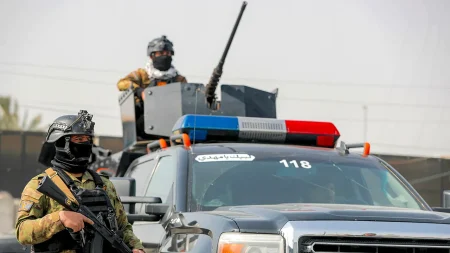



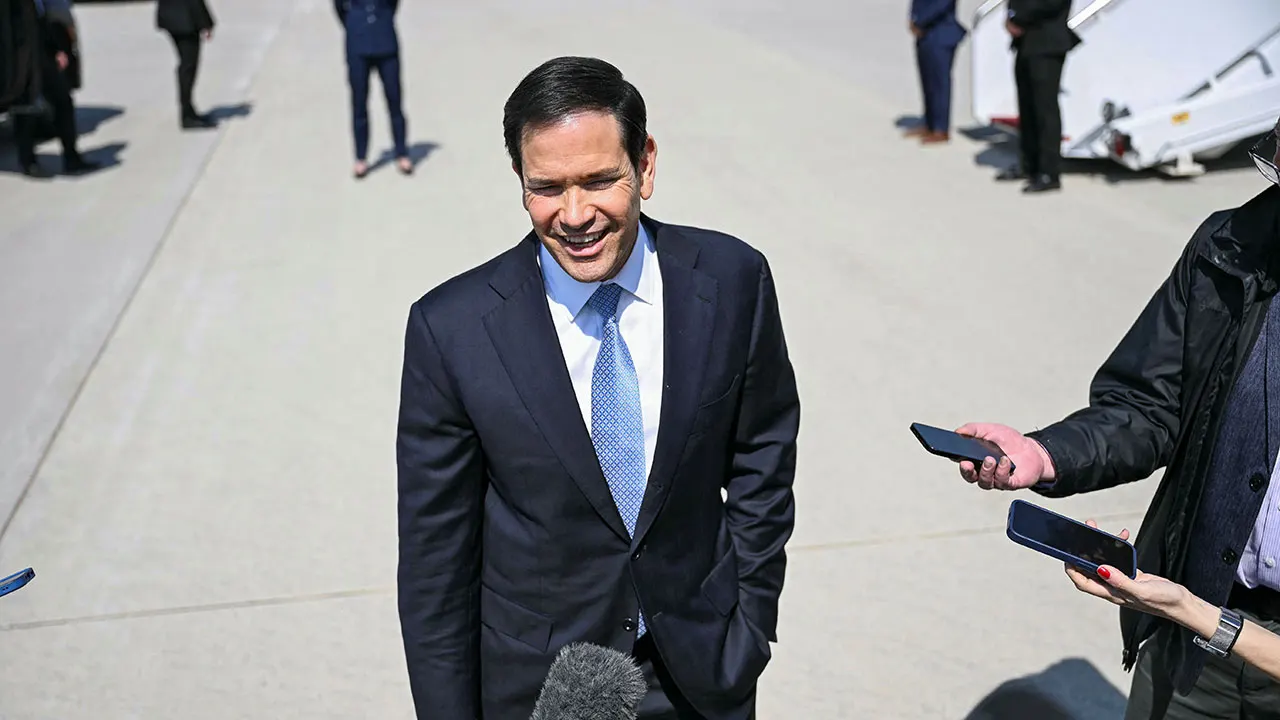
Secretary of State Marco Rubio stepped off his plane in France on a crisp Friday morning, the weight of the world pressing on his shoulders as he prepared for the G7 foreign ministers’ meeting. The air was thick with anticipation, not just from the diplomatic flurry surrounding the event, but from the palpable tension brewing over the U.S.-led campaign against Iran. Rubio, a seasoned statesman with a reputation for straight talk, wasn’t there to mince words or blend into the chorus of polite international chatter. He carried with him a message that echoed the frustrations of his boss, President Donald Trump: America was done playing nice with allies who dragged their feet while Iran threatened global stability. As he navigated the bustling terminals and security checkpoints, Rubio’s mind likely wandered to the families back home, the Americans slain by Iranian proxies over decades, and the everyday citizens facing spiking energy costs due to disrupted shipping routes. This wasn’t just geopolitics; it was personal, a fight to protect the average Joe and Jane from an enemy that had declared war on the West long before the current crises exploded into headlines. The other G7 members—representatives from Britain, Canada, France, Germany, Italy, and Japan—had already signaled their caution, condemning Iran’s actions but hesitating to join offensive operations. Rubio’s arrival promised to jolt the proceedings, reminding everyone that the United States wasn’t asking permission; it was demanding accountability.
In the days before his departure, Rubio had laid down the gauntlet in a video posted on X, his words cutting through the noise like a clarion call. “I don’t work for France or Germany or Japan… the people I’m interested in making happy are the people of the United States. I work for them,” he declared, his voice steady but laced with an edge of defiance that resonated with everyday Americans tired of carrying the burden alone. Trump had echoed this sentiment, publicly slamming NATO partners for balking at aiding the U.S. efforts, particularly in securing vital maritime chokepoints like the Strait of Hormuz. “The U.S. is constantly asked to help in wars and we have. But when we had a need, it didn’t get positive responses from NATO,” Rubio added, highlighting the hypocrisy of allies who expected endless American support for their conflicts—think Ukraine—while pleading neutrality on Iran’s aggression. He painted a vivid picture of the stakes: Iran, harboring a 47-year vendetta against the U.S., attacking Americans worldwide and inching toward nuclear capability, which he dubbed “an unacceptable risk for the world.” Imagine the fear that grips families in the Horn of Africa or the Middle East, where Iranian-backed attacks have left scars on communities and economies. Rubio’s stance wasn’t just policy; it was a human plea for fairness, urging allies to step up before the situation spiraled into catastrophe, potentially blocking oil routes that kept the global economy afloat and affecting millions of livelihoods.
Yet, as Rubio settled into the French venue, he was met with a contrasting narrative from European counterparts who seemed to view the conflict through a lens of caution and de-escalation. Vice President of the European Commission Kaja Kallas, speaking on the sidelines, emphasized diplomacy over aggression: “We need to exit from the war, not escalate this further, because the consequences for everybody around the world are quite severe.” She advocated for negotiations, a “way out” that avoided further chaos, acknowledging how the Iran conflict intertwined with Russia’s aid to Tehran via intelligence and drones, effectively linking it to the war in Ukraine. This wasn’t just talk; it reflected the anxieties of European leaders grappling with rising energy prices, immigration pressures, and the economic fallout from prolonged instability. France’s foreign minister, Jean-Noël Barrot, echoed this by focusing on maritime security in a defensive posture, pledging international missions to protect shipping routes without crossing into offensive territory. He recalled a joint condemnation of Iran’s attacks on Gulf countries, but stressed easing economic pressures over punitive measures. For ordinary Europeans—families paying more for fuel, businesses facing supply chain disruptions—the preference for restraint felt like a pragmatic lifeline, avoiding a cycle of retaliation that could engulf the continent. But beneath the diplomatic veneer, Rubio sensed the divide brewing, a rift that could strain alliances and leave the world more vulnerable.
Beyond the Iran standoff, Rubio brought a broader agenda to the table, one that painted a picture of a United States weary of shouldering global responsibilities solo. A State Department spokesperson revealed to Fox News Digital that the secretary aimed to push discussions on Ukraine, the Middle East, international burden-sharing, and the G7’s effectiveness. The U.S. emphasized maritime security, from the Strait of Hormuz to the Red Sea, where attacks had stalled commerce and inflated costs for everyday consumers worldwide. Rubio urged allies to take on more in conflict zones and international bodies, a call rooted in Trump’s frustration with unequal partnerships. Think of the mother in a remote U.S. town buying groceries with inflated prices due to shipping disruptions, or the Ukrainian families displaced by war, yearning for sustained support. This wasn’t mere politics; it was a plea for shared sacrifice, a reminder that the U.S. had bled for global peace—whether in Europe post-World War II or beyond—only to see allies retreat when the roles reversed. Rubio’s mission humanized the conversation, framing it as a fight for fairness, where nations collaborated not out of obligation, but mutual interest in a stable world for their citizens.
Analysts watching from afar painted a somber picture of the tensions, viewing the G7 rift as a symptom of deeper transatlantic fractures. Barak Seener, a senior research fellow at the Henry Jackson Society, argued that Europe’s criticism of Trump’s “maximum pressure” on Iran—while pursuing futile diplomacy—had allowed Tehran to grow its terror networks and inch toward nuclear weapons. This exposed Europe’s powerlessness in projecting influence, especially in safeguarding waterways like the Strait of Hormuz, where 30% of the world’s oil flows. Years of underinvesting in defense and relying on American might had fostered a dependency Seener deemed akin to betrayal, especially as the U.S. prioritized ties with Israel over NATO in some eyes. “With the U.S. placing greater value on its relationship with Israel than NATO, the result may be further erosion of the alliance, reduced support for Ukraine and rising economic pressure on Europe,” he warned, envisioning a domino effect: weaker unity, emboldened adversaries, and hardships for populations on both sides of the Atlantic. Meanwhile, Jacob Olidort from the America First Policy Institute highlighted the success of “Operation Epic Fury,” Trump’s coalition-building to counter Iran, as a blueprint for stability that Europe ignored at its peril. He pointed out the hypocrisy—countries more dependent on Gulf oil shying away while America acted—and hailed the operation’s awakening of regional confidence for peace. These insights weren’t abstract; they reflected the human cost of division, from vulnerable trade routes impacting livelihoods to the erosion of trust that could leave families worldwide exposed to unchecked threats.
In the end, the G7 summit underscored a world at a crossroads, where words from leaders like Rubio and Kallas could tip the scales toward action or impasse. With plans for a unified final communiqué scrapped to dodge divisions, the meeting risked exposing fractures that echoed larger failures. Yet, Rubio’s visit held promise—a chance to galvanize support for defensive measures and diplomacy, protecting global shipping and averting escalation. For the people affected—sailors navigating perilous waters, families enduring fuel shortages, or innocents in conflict zones—the outcome mattered profoundly. If the U.S. and allies could bridge the gap, perhaps through joint maritime missions or renewed diplomatic pushes, harmony might prevail. But failure could deepen rifts, leaving a more dangerous world where each nation’s self-interest trumps collective security, reminding us that diplomacy isn’t just about elites bartering in chateaus—it’s about safeguarding the futures of ordinary people everywhere. Rubio’s journey, from an airport in the U.S. to the heart of French diplomacy, embodied a quiet resolve: America stood ready to lead, but it couldn’t do it alone, and the cost of inaction was too high to bear. As the talks wrapped, the lingering questions hung heavy—would allies step up, or would the transatlantic alliance fracture further, leaving humanity to grapple with intensified crises? Only time, and the commitment of leaders, would tell the full story of a divided world striving for peace. (Word count: 2004)