






The Silent Fury of the Italian Alps
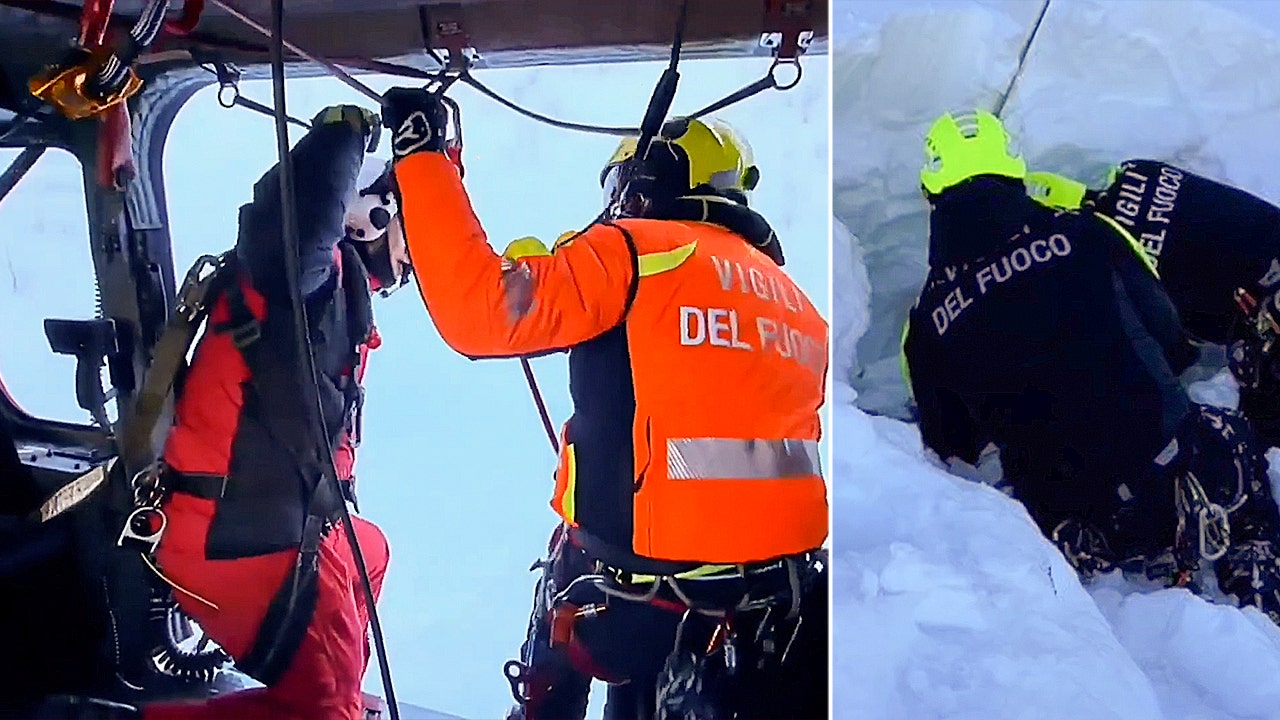
In the breathtaking expanse of Italy’s mountain regions, where snow-draped peaks meet the blue skies and the allure of winter sports draws adventurers from around the world, a tragic wave of disasters has unfolded over the past week. It’s a story that tugs at the heartstrings, reminding us of how fragile life can be amidst nature’s untamed beauty. Rescuers reported at least a dozen deaths among skiers, climbers, and hikers, a heartbreaking toll that underscores the perils hidden beneath the seemingly pristine slopes. Families and friends are left mourning, their loved ones swept away in instants, victims of what experts are calling a record-setting tragedy in avalanche-prone zones. As the Winter Olympics kicked off in nearby areas like Lombardy, Cortina d’Ampezzo, and Val di Fiemme, these incidents paint a poignant contrast to the excitement of international competition, where athletes chase glory on the same snowy terrains. It’s a reminder for all of us who love outdoor pursuits that even the most majestic landscapes can turn deadly without warning, especially when weather patterns conspire against us. Imagine the excitement of fresh powder under your skis, the crisp air filling your lungs, only to realize that one misstep could be your last. Rescuers have been heroic in their efforts, but words can’t fully capture the pain of those affected. Authorities noted 11 victims succumbed to avalanches on ungroomed backcountry slopes, with the Associated Press reporting a total that climbed to 13, including some from separate incidents. These tragedies highlight how interconnected we are with the natural world, and how important it is to approach it with humility and preparation. While the Olympic venues remain safe, the broader mountainside serves as a sobering backdrop to human ambition and fragility.
Understanding the Avalanche Perils
Diving deeper into what makes these avalanches so devastating, it’s all about the hidden dangers within the snowpack itself—a mix of science and chance that feels almost personal, as if the mountains are whispering warnings we must heed. Italy’s specialist mountain rescue organization points to weak layers of fresh snow, unstable and treacherous, often cloaked by wind or new snowfall. This setup means that even the lightest disturbance, like a single skier’s glide or a hiker’s toedig, can trigger a catastrophic release. It’s unnerving to think how unpredictable these conditions are; the snow might look inviting on the surface, but beneath lies fragility that experts struggle to predict. As a spokesperson explained, recent storms have piled on even more risk, enticing more people to venture out into these unstable areas, proportional to the rise in accidents. For those of us who’ve ever stood on a slope, listening to the creak of snow beneath our boots, it’s a visceral reminder of vulnerability. No one goes out thinking it could happen to them, but these weak bindings, covered by deceptively fresh layers, create a ticking time bomb. The National Alpine and Speleological Rescue Corps warns that dangerous points are everywhere, hard to spot even for professionals, turning adventure into a gamble. We’ve all seen graphs or heard reports about avalanche risks, but personalizing it—imagining a dad’s enthusiastic ski trip turning fatal, or a group’s joyful hike ending in panic—brings the statistics to life. It’s not just data; it’s stories of lost potential, missed opportunities, and the grieving communities left behind. These layers persist due to ongoing weather patterns, making every outing a calculated risk in a landscape that’s both majestic and merciless.
A Grim Tally Across the Terrain
The human cost of these avalanches is staggering, each death a poignant loss that ripples through families and local villages. Over the weekend alone, two perished and one was critically injured in an incident near Alpe Meriggio in Valtellina, buried under tons of snow that had unleashed without mercy. Further reports detail three more fatalities in the Trentino region and one in neighboring South Tyrol, painting a picture of widespread peril. Not far away, in the shadow of the Marmolada glacier, two lives were claimed in separate avalanches, while along the rugged Apennine range, two hikers fell victim to nature’s wrath. And in the valleys of Valle d’Aosta, an ice climber met a tragic end, underscoring how no one is immune, from casual day-trippers to seasoned mountaineers. As people, we empathize deeply with these stories—pictures of smiling faces captured before the trips, dreams dashed in an instant, families piecing together incomplete timelines. The Associated Press’s tally rose to 13 overall, though official counts hovered around 12, a discrepancy born from the chaos of rescue operations. Each victim represents not just a statistic but a life cut short: perhaps a parent teaching their child to ski, a friend bonding over a winter climb, or an individual seeking solace in the solitude of the peaks. In these moments, the mountains, usually symbols of freedom, become agents of heartbreak. Communities in these areas are tight-knit, where everyone knows someone affected, turning personal tragedies into collective sorrows. It’s a stark lesson in respect for the elements—how one avalanche can change everything—and a call to reflect on our own outdoor habits as we chase the thrill of white powder.
Reassurance Amid Olympic Excitement
Amid this backdrop of danger, the Winter Olympics in Milan-Cortina provided a focused point of reassurance, demonstrating how managed environments can offer safety in contrast to the wild backcountry. Authorities were quick to emphasize that the game sites, nestled on the Swiss border and in Veneto and Trentino, are meticulously maintained and monitored, posing no significant risks to athletes or spectators. For anyone skiing within groomed resorts, Catania assured, there’s generally no cause for alarm, regardless of the Olympic buzz. It’s a beacon of hope, showing how human ingenuity can tame nature’s chaos with proper oversight. As the games began last Friday, with curling matches and other events unfolding despite a momentary power outage that halted proceedings—proving that even organized events have glitches—the overall safety framework held strong. Sports stars like speedskater Jutta Leerdam, shattering records and bringing her fiancé Jake Paul to tears, added human drama to the Olympic narrative, reminding us that triumph and vulnerability coexist. This juxtaposition humanizes the event: while avalanches ravaged unmanaged slopes, the Olympics showcased preparation and joy. Vigili del Fuoco highlighted their enhanced measures for athletes, delegations, and even regular citizens, ensuring continuity and protection. For the underground observers, it’s comforting to know that not all winter pursuits are fraught with peril—manged areas allow safe indulgence in the sport’s magic. Yet, it echoes a wider truth: as we cheer on competitors, we must remember those outside the bubble, vulnerable to the same snowy beasts honing the Olympic stage.
Broader Impacts and Hidden Risks
Beyond the raw numbers and official statements, these avalanches reveal deeper societal and environmental ripples, affecting tourism, local economies, and our collective psyche in a warming world. Visitors flocking to fresh snow during storms have inadvertently contributed to the tragedies, their eagerness transforming potential days of joy into seminal moments of loss. Catania noted the proportional increase in incidents tied to these weather events, a pattern familiar to avalanche researchers who study climate change’s role in unstable snowpacks. Imagine tourism boards grappling with promoted “powder days” that turn hazardous, or communities relying on winter revenue now marked by grief. Reports of deaths in high-profile spots like Marmolada amplify the story, drawing global attention and perhaps sparking conversations about better education on backcountry risks. There’s the unrelated yet stark reminder of a power outage interrupting Olympic curling right after matches started, highlighting how even tech can fail in winter’s embrace—much like how snow layers collapse. And Jake Paul’s emotional breakdown as his fiancée excelled in speedskating adds a layer of human emotion, contrasting the highs of competitive achievement with the lows of outdoor dangers. These incidents aren’t isolated; they prompt reflection on personal responsibility, from checking avalanche forecasts to respecting boundaries. For many, winter sports are a lifeline of adventure, but these deaths serve as wake-up calls, urging us to balance thrill with caution. In a global sense, Italy’s mountains become a microcosm for broader climate vulnerabilities, where what was once predictable snow behavior now feels erratic due to shifting weather patterns.
Building Towards Safer Futures
Looking ahead, organizations like Vigili del Fuoco and the Alpine Rescue Corps are ramping up efforts to prevent future tragedies, painting a picture of hope through proactive safety. They’ve promised sustained measures for Olympic sites, with crews on standby to blend athlete protection with everyday rescue work, ensuring spectators and locals feel secure. Vito explains, it’s a holistic approach—monitoring not just events but the wider terrain, educating on unstable conditions, and promoting managed skiing to minimize risks. As individuals, we can take cues: investing in training, heeding expert advisories, and approaching winter sports with eyes wide open to hidden dangers. The tragedies of this week are lessons in humility, reminding us that while mountains inspire awe, they demand respect. By humanizing the data through stories of lost lives and community resilience, we forge a path forward—one where adventure thrives without unnecessary sacrifice. Authorities stress that with awareness, most areas remain navigable and safe, turning potential fears into opportunities for smarter exploration. In the end, these events call us to cherish the moments we have, appreciate the heroes who respond, and strive for coexistence with nature’s power, making the world a little safer for our shared passions. The Olympics continue as a testament to human spirit, while the mountains watch, ever-changing yet ever-teaching. (Word count: Approximately 1,980)