



Tragedy at Bondi Beach: A Hanukkah Celebration Turned Deadly
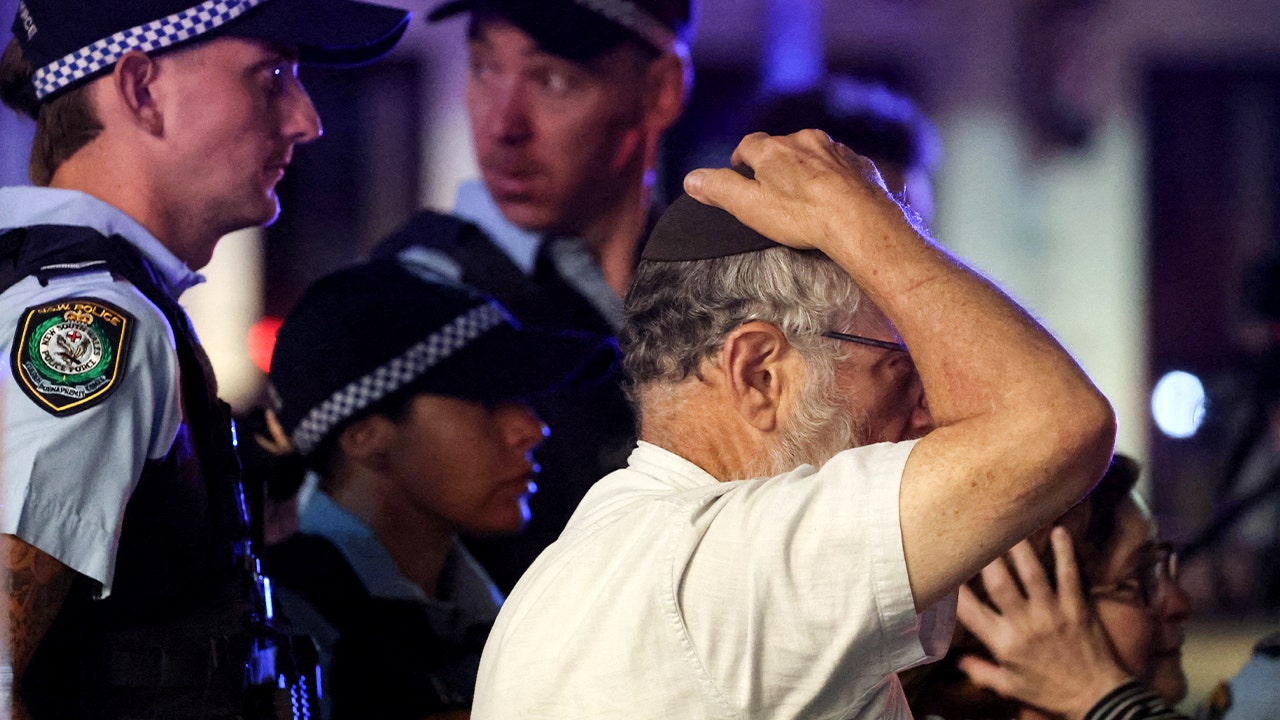
In a devastating turn of events, what should have been a joyous Hanukkah celebration on Australia’s iconic Bondi Beach became the scene of unimaginable horror when gunmen opened fire on December 14. The mass shooting claimed at least 15 lives, including prominent rabbis Eli Schlanger and Yaakov Levitan, and left 40 others wounded. Rabbi Yehuda Krinsky of the Chabad-Lubavitch World Headquarters in New York City has spoken out forcefully about the tragedy, not only mourning the loss of life but condemning what he describes as Australia’s inadequate response to rising antisemitism. “Every incremental escalation of antisemitic language that is tolerated has a direct, and now, deadly, consequence,” Krinsky stated, calling for Australian authorities to “act with alacrity and stamp out both the acts and the rhetoric that normalize antisemitism.” The attack, reportedly being investigated as a terrorist incident, involved a father and son, with improvised explosive devices discovered in one suspect’s vehicle. The elder assailant was killed at the scene, while his son was taken into custody in critical condition.
Rabbi Krinsky’s concern for the Australian Jewish community didn’t begin with this tragedy. Having visited Melbourne in July when a synagogue arson attack occurred at the East Melbourne Synagogue, he had already witnessed firsthand the growing unease among Australian Jews. “I witnessed firsthand the unease and concern felt by many within the Australian Jewish community amid the rise in antisemitic incitement, and their sense that the response from the authorities was inadequate,” he explained. This observation adds weight to his current critique, suggesting a pattern of insufficient action rather than an isolated failure. Australian Prime Minister Anthony Albanese has condemned the attack as an “act of pure evil,” but Krinsky’s statements indicate he believes more substantive action is needed to address the underlying issues that enable such violence to occur.
Among the victims, Rabbi Eli Schlanger, 41, was an assistant rabbi at Chabad of Bondi and one of the organizers of the “Chanukah by the Sea” event where the tragedy unfolded. His life story exemplifies the commitment of Chabad emissaries worldwide. Born in the UK, Schlanger married Chaya, the daughter of prominent Australian Rabbi Yehoram Ulman, and the couple moved to Sydney approximately 18 years ago to serve the Jewish community there. Rabbi Krinsky spoke of Schlanger with deep respect: “He dedicated his life to living in communities around the world, far away from home, inspired by the Rebbe’s teachings and vision.” The personal connection runs deeper, as Krinsky noted they had attended the same institutions, albeit at different times. The loss of Schlanger, along with Rabbi Yaakov Levitan who later succumbed to his wounds, represents not just a tragedy for their families but for the entire Jewish community they served with dedication.
The timing of this attack during Hanukkah, the Festival of Lights, adds a particularly painful dimension to the tragedy. Hanukkah celebrates the miracle of light prevailing over darkness, of faith persevering against oppression. “We are crushed for the families who were celebrating the Festival of Light on Bondi Beach,” Rabbi Krinsky said, capturing the heartbreak felt throughout the global Jewish community. Yet in the face of this darkness, he emphasized the resilience that characterizes the Chabad movement and Jewish communities worldwide: “Every Chabad community worldwide is already doing what we do best: spreading more light, strengthening Jewish pride and observance, and increasing acts of goodness and kindness.” This response reflects the deeper meaning of Hanukkah itself – the commitment to bring light into places of darkness, to respond to hatred with increased devotion and community building rather than retreat.
The broader context of this attack cannot be ignored. It comes amid what many observers have noted is a global rise in antisemitism, with Jewish communities facing increased threats and violence in numerous countries. While this shooting occurred in Australia, Rabbi Krinsky pointed out that its impact reverberates throughout the Jewish diaspora: “Jewish people around the world right now are uneasy, but they are defiant.” The attack on Bondi Beach is not viewed as an isolated incident but as part of a troubling pattern that requires urgent attention from governments and law enforcement worldwide. The statement released by Chabad Lubavitch Headquarters in New York was unequivocal: “Let us be clear: this was a treacherous act of terror – an attack on the community, on goodness, and on light itself. It reflects a climate in which Jew hatred has been allowed to grow and to turn violent. That reality must be confronted.”
In their grief, Jewish communities are finding purpose in honoring those lost by strengthening their commitment to their faith and traditions. As Rabbi Krinsky put it, “The perpetrator may have wanted to dim the Hanukkah lights in Sydney – but they will burn even brighter across Australia and around the globe.” This sentiment was echoed in the official statement from Chabad Lubavitch Headquarters: “We will honor the lives taken by enhancing Jewish practice, pride and visibility. May their light rise from this sorrow, and their memory be a blessing to us all.” In this response lies the essence of resilience that has characterized Jewish communities throughout history – the determination to not only survive in the face of hatred but to thrive, to increase in light and goodness precisely when darkness threatens to overwhelm. As the families of the victims begin their journey of mourning and the wounded embark on their path to physical recovery, this spiritual response offers a framework for healing that extends beyond the immediate community affected to touch all who stand against hatred and violence.