





Putin Warns Europe of War Readiness Amidst Peace Negotiation Tensions
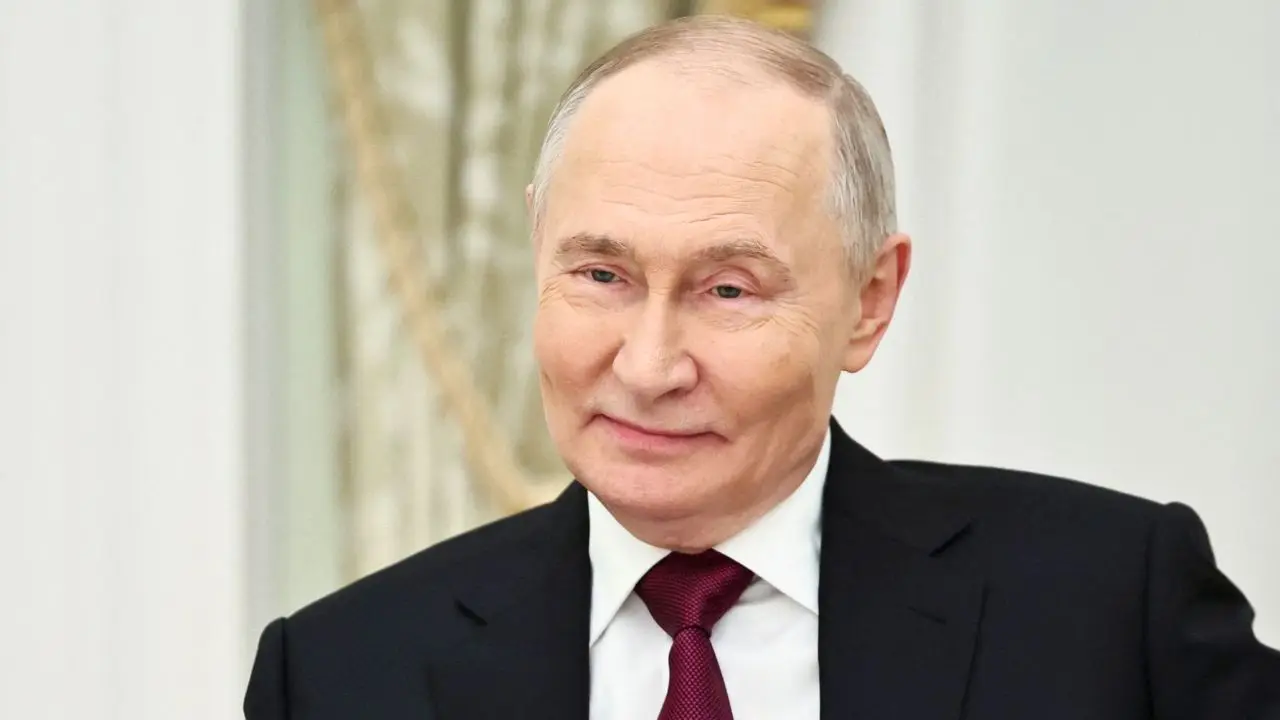
In a stark escalation of rhetoric that has sent ripples through diplomatic channels across Europe, Russian President Vladimir Putin declared on Tuesday that Russia stands ready for war with Europe should the continent initiate hostilities. Speaking at an investment forum before meeting with a U.S. delegation led by Trump envoy Steve Witkoff and Jared Kushner, Putin’s comments revealed the increasingly precarious state of East-West relations. “If Europe suddenly wants to wage a war with us and starts it, we are ready right away. There can be no doubt about that,” Putin asserted, while maintaining his long-held position that Moscow itself does not seek conflict with European nations. The Russian leader’s comments came in response to reports that Hungary’s foreign minister had warned of Europe’s preparation for war with Russia, adding another layer of tension to an already volatile geopolitical landscape.
The threatening rhetoric is not without precedent in Putin’s diplomatic playbook. Since the Ukraine conflict began nearly four years ago, Putin has repeatedly issued warnings to European leaders about potential consequences of their involvement. Last October, he cautioned that Europe would face a “significant response” if it continued supplying military aid to Ukraine, with similar threats made in May. Perhaps most concerning was his February 2024 warning that Western military intervention could trigger nuclear escalation – a statement widely interpreted as a direct warning to Europe and Western allies. Putin’s characterization of Russia’s actions in Ukraine as “surgical” came with an ominous addendum: such restraint would not apply in a direct confrontation with European powers. This distinction signals that Putin views the current conflict as limited compared to what might unfold in a broader European engagement.
At the heart of Putin’s latest remarks lies an accusation that European leaders have deliberately undermined peace efforts in Ukraine by introducing “demands that are absolutely unacceptable to Russia.” According to Putin, these actions have “blocked the entire peace process” – a move he characterized as cynically designed to shift blame for failed peace negotiations onto Moscow. “They are on the side of war,” Putin declared, suggesting that European powers have effectively excluded themselves from peace talks by severing diplomatic channels with Russia. This narrative attempts to position Russia as the reasonable party seeking resolution while portraying European leaders as warmongers, despite the fact that the conflict began with Russia’s invasion of sovereign Ukrainian territory. European leaders have consistently maintained that Putin’s aggression against Ukraine represents just the first step toward a wider conflict with the 27-nation European Union, which has invested billions in supporting Kyiv’s defense.
The timing of Putin’s comments is particularly significant as they coincide with renewed American diplomatic efforts to broker peace. The U.S. delegation’s presence in Moscow follows a meeting in Florida where Witkoff, Secretary of State Marco Rubio, and Kushner met with Ukrainian negotiators in what Rubio described as a “very productive” discussion aimed at achieving “not just the end of the war.” Despite Russian Foreign Minister Sergey Lavrov’s warning that Moscow might reject the White House peace framework if it fails to uphold the “spirit and letter” of what Trump and Putin discussed at their Alaska summit in August, Putin himself expressed cautious interest in Trump’s peace efforts. He described the proposed plan not as a draft agreement but rather as “a set of issues put forward for discussion,” suggesting some openness to dialogue while maintaining negotiating leverage.
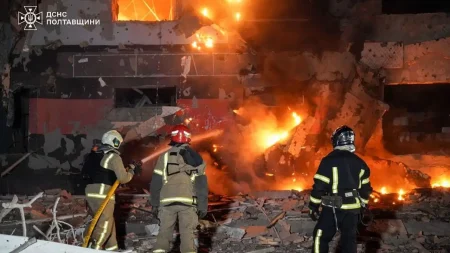
Putin’s characterization of European intentions creates a narrative that serves his strategic aims, positioning Russia as defending itself against Western aggression rather than as the initiator of conflict. By suggesting that European leaders have sabotaged U.S.-led peace efforts, he attempts to drive a wedge between transatlantic partners while portraying Russia as reasonable and open to resolution. This framing obscures the reality that Russia’s invasion of Ukraine represents the largest European land war since World War II, initiated by Moscow’s decision to send troops across the border in February 2022. Putin’s claims that Russia’s actions have been “surgical” contrast sharply with the widespread devastation documented across Ukraine, including civilian infrastructure damage and humanitarian crises that have forced millions to flee their homes.
The dangerous brinkmanship reflected in Putin’s comments highlights the delicate balance facing Western leaders as they attempt to support Ukraine without triggering wider conflict. The involvement of Trump-affiliated negotiators adds another dimension to the complex diplomatic landscape, as questions remain about how U.S. policy toward Ukraine might evolve. Putin’s warning that Russia is prepared for war with Europe serves as a reminder of the nuclear power’s military capabilities and its willingness to leverage that threat in diplomatic negotiations. As peace talks continue amid these tensions, the international community faces the challenge of finding a resolution that addresses security concerns on all sides while upholding principles of sovereignty and territorial integrity. Whether Putin’s rhetoric represents genuine readiness for wider conflict or calculated posturing designed to strengthen Russia’s negotiating position remains one of the most consequential questions in international relations today.