






Putin’s Conditional Promise: No New Attacks If Russia Is “Respected”
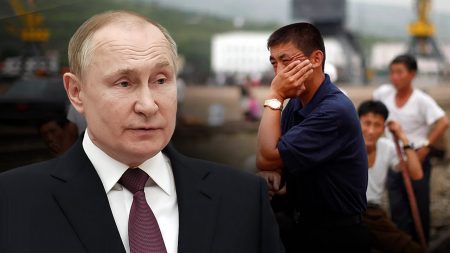
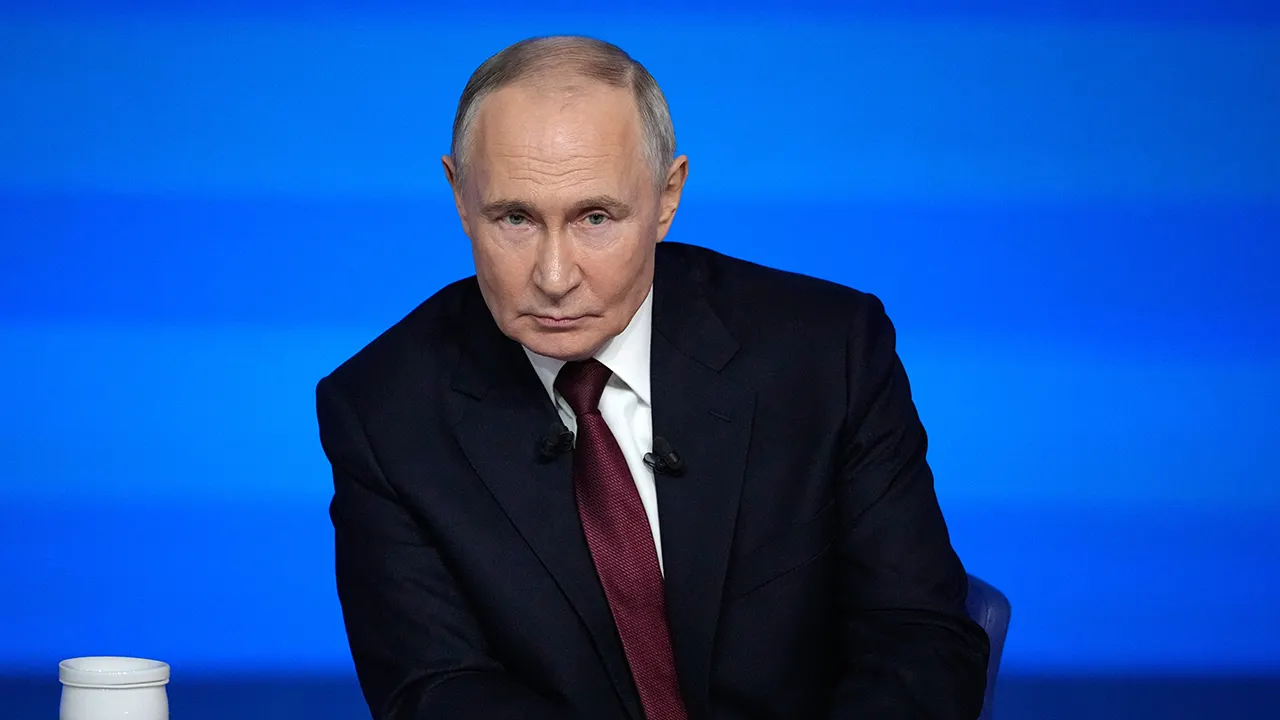
In a revealing annual press conference that stretched for hours, Russian President Vladimir Putin offered what appeared to be an olive branch—albeit one with sharp thorns attached. Speaking directly to his nation and the world, Putin suggested Russia would refrain from launching new military operations against other countries, but only if Moscow is “treated with respect” and its interests acknowledged by the international community. This conditional peace offering came amid persistent concerns across Europe about Russia’s territorial ambitions following its ongoing invasion of Ukraine, which Putin continues to euphemistically call a “special military operation” rather than acknowledging it as the war it truly is.
“Will there be new special military operations? There will be no operations if you treat us with respect, if you observe our interests, just as we have constantly tried to observe yours,” Putin stated during the televised event, where over 2.5 million questions were reportedly submitted by journalists and ordinary Russians. The Russian leader’s words carried a clear undertone of grievance as he added that peace would be possible “if you don’t cheat us like you cheated us with NATO’s eastward expansion.” This sentiment reveals Putin’s persistent worldview that Russia has been wronged by Western powers through the expansion of NATO into countries once within Moscow’s sphere of influence—a narrative he has consistently used to justify his aggressive foreign policy.
While claiming to be “ready and willing” to end the conflict in Ukraine through peaceful means, Putin offered little substantive indication that he is prepared to compromise on Russia’s maximalist demands. Instead, he projected confidence about Russia’s military position, declaring that “our troops are advancing all across the line of contact, faster in some areas or slower in some others, but the enemy is retreating in all sectors.” This portrayal of the battlefield situation appears designed for domestic consumption, presenting an image of inevitable Russian victory despite the grinding nature of the conflict and the substantial losses his forces have sustained. His statement that Russia will achieve its objectives militarily if Ukraine refuses Russia’s terms suggests not a genuine peace overture but rather an ultimatum—surrender to Russian demands or face continued warfare.
The annual press conference has long served as a platform for Putin to shape Russia’s national narrative and project strength both domestically and internationally. This year’s event, predictably dominated by discussion of the Ukraine war, allowed the Russian leader to present himself as reasonable and open to dialogue while simultaneously threatening continued military action. The carefully choreographed nature of these events—where questions are typically vetted and critical voices minimized—creates a controlled environment where Putin can advance his preferred framing of issues without significant challenge. For everyday Russians watching at home, this performance aims to reinforce the idea that their leader remains firmly in control and that Russia’s international isolation is the result of Western hostility rather than the consequences of its own actions.
Against this backdrop of Putin’s rhetoric, the European Union has just approved a substantial loan package exceeding $105 billion to support Ukraine—a clear indication that despite Putin’s attempts to project inevitability in Russia’s favor, Western resolve to support Ukraine’s defense remains strong. This financial commitment suggests that European leaders are not persuaded by Putin’s conditional offers of restraint, which have historically proven unreliable. The pattern of Russian aggression followed by claims of being misunderstood or disrespected has created deep skepticism about Putin’s true intentions among NATO members and other countries concerned about Russia’s expansionist tendencies.
As the war approaches its third year with no immediate end in sight, Putin’s statements reflect a leader attempting to navigate both domestic pressures and international isolation. His suggestion that Russia would refrain from attacking other nations if treated “with respect” implies that such attacks remain a possibility—hardly a reassuring position for neighboring states. The contrast between Putin’s claimed openness to peace and his simultaneous threats of continued military action reveals the fundamental contradiction in Russia’s approach: demanding respect while engaging in behavior that violates international norms and the sovereignty of other nations. Until this contradiction is resolved through genuine changes in Russian policy rather than carefully crafted rhetoric, Putin’s peace overtures will likely continue to be viewed with warranted skepticism by Ukraine and its allies.