


Russia Rejects Key Parts of U.S. Peace Proposal as Ukraine War Intensifies
Putin Draws Red Line on Withdrawal from Occupied Territory
As diplomatic efforts to end the Ukraine conflict intensify, Russian President Vladimir Putin has reportedly rejected critical elements of a U.S.-backed peace proposal, particularly provisions requiring Russia to withdraw from occupied Ukrainian territories. This development comes amid a flurry of diplomatic activity, including recent meetings between Ukrainian officials and U.S. envoys in both Geneva and Florida. Despite the setback, American officials maintain that “several new ideas” have emerged from recent discussions to bridge remaining differences. Special Envoy Witkoff and Jared Kushner have briefed President Trump and Ukrainian representatives on these developments, with further meetings scheduled with Ukraine’s Defense Minister Rustem Umerov. The diplomatic push continues even as Russia signals unwillingness to compromise on territorial concessions, which Moscow views as non-negotiable in any potential settlement.
Civilians Continue to Bear the Brunt as Russian Attacks Intensify
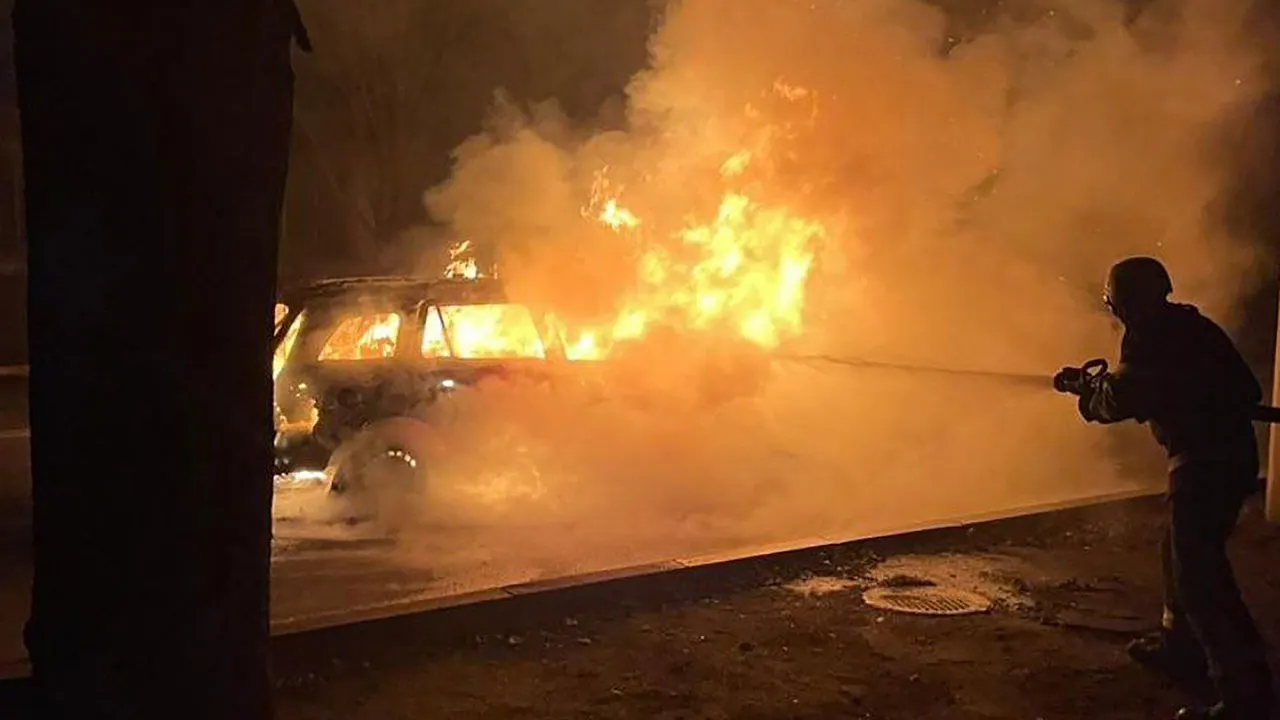
While peace talks continue behind closed doors, the reality on the ground in Ukraine remains brutal. Russian forces have recently conducted devastating strikes across the country, including an attack on Kherson that killed a 6-year-old girl. The Russian Defense Ministry has openly boasted about relentlessly bombarding Huliaipole with Grad rockets, while drone attacks damaged energy infrastructure in Odesa, injuring at least six people. Six more civilians were wounded in President Zelenskyy’s hometown of Kryvyi Rih following another Russian strike. Ukrainian forces have responded with their own offensive operations, including drone attacks on Nevinnomyssk Azot, a facility that produces explosives and rocket fuel components. These ongoing exchanges of fire underscore the urgency of diplomatic solutions, as civilian casualties mount and critical infrastructure continues to be destroyed after nearly three years of conflict.
Medvedev Threatens War Against EU Over Frozen Russian Assets
The diplomatic environment has further deteriorated as former Russian President Dmitry Medvedev issued alarming threats toward the European Union regarding frozen Russian state assets. Medvedev, who now serves as Deputy Chair of Russia’s Security Council, warned that if the EU attempts to use the approximately €190 billion ($221.8 billion) in frozen Russian sovereign assets to support Ukraine, Moscow could consider such actions a “casus belli” – a justification for war. His provocative statement suggested that repayment might come “not through court, but through actual reparations paid in natural form by the defeated enemies of Russia.” This inflammatory rhetoric comes as European leaders actively explore mechanisms to leverage these frozen assets to help fund Ukraine’s military and budget requirements, highlighting the dangerous escalation in tensions between Russia and Western powers.
European Commission Proposes Massive Financial Support Package for Ukraine
Despite Russian threats, European Commission President Ursula von der Leyen announced this week that Europe intends to ensure Ukraine “has the means” to defend itself by proposing support totaling about €90 billion ($105.1 billion) over the next two years. Von der Leyen framed this financial commitment as part of a broader strategy to “increase the cost of Russia’s war of aggression,” suggesting that raising economic pressure on Moscow could eventually bring Putin to the negotiating table. The European Union’s determination to continue backing Ukraine financially and militarily, despite Russian warnings, reflects the West’s strategic assessment that only sustained pressure will alter the Kremlin’s calculus. This support package represents one of the most significant financial commitments to Ukraine since the conflict began and demonstrates Europe’s resolve to counter Russian aggression despite growing fatigue among some member states.
Zelenskyy Emphasizes Need for “Constructive Diplomacy Plus Pressure”
Ukrainian President Volodymyr Zelenskyy has responded to the diplomatic developments with cautious optimism while emphasizing that Ukraine must be central to any peace negotiations. “Ukraine was heard, and Ukraine was listened to. And that matters,” Zelenskyy wrote on social media platform X. He stressed that achieving a “dignified peace” requires taking Ukraine’s interests fully into account, rejecting any solution that might compromise the country’s sovereignty or territorial integrity. Zelenskyy’s position highlights his strategic approach to peace efforts, combining openness to diplomatic engagement with a firm stance on Ukrainian interests. “Everything depends on this combination — constructive diplomacy plus pressure on the aggressor,” he noted, articulating a philosophy that aligns with Western efforts to maintain both dialogue and deterrence in dealing with Russia. This dual-track approach reflects Ukraine’s understanding that negotiation alone, without continued military and economic pressure on Russia, is unlikely to yield favorable terms.
Diplomatic Efforts Continue Despite Growing Challenges
As both sides prepare for additional negotiations in the United States, the path to peace remains complicated by hardened positions and continued military operations. Putin’s explicit rejection of withdrawal requirements and Medvedev’s threatening rhetoric toward Europe highlight the significant obstacles facing international mediators. The nearly three-year conflict has created deep-seated grievances and territorial claims that make compromise difficult to achieve. However, the intensification of diplomatic activity, including high-level meetings and proposals from various international actors, suggests a growing recognition that the conflict cannot be resolved through military means alone. The involvement of American envoys, European financial commitments, and Ukrainian diplomatic engagement demonstrates a multifaceted approach to finding an exit strategy from a war that has caused immense human suffering and geopolitical instability. Whether these efforts can overcome Putin’s fundamental unwillingness to relinquish occupied territories remains the central question in the search for peace in Ukraine.