






Paragraph 1: The Shadowy World of Russia’s Oil Gambit
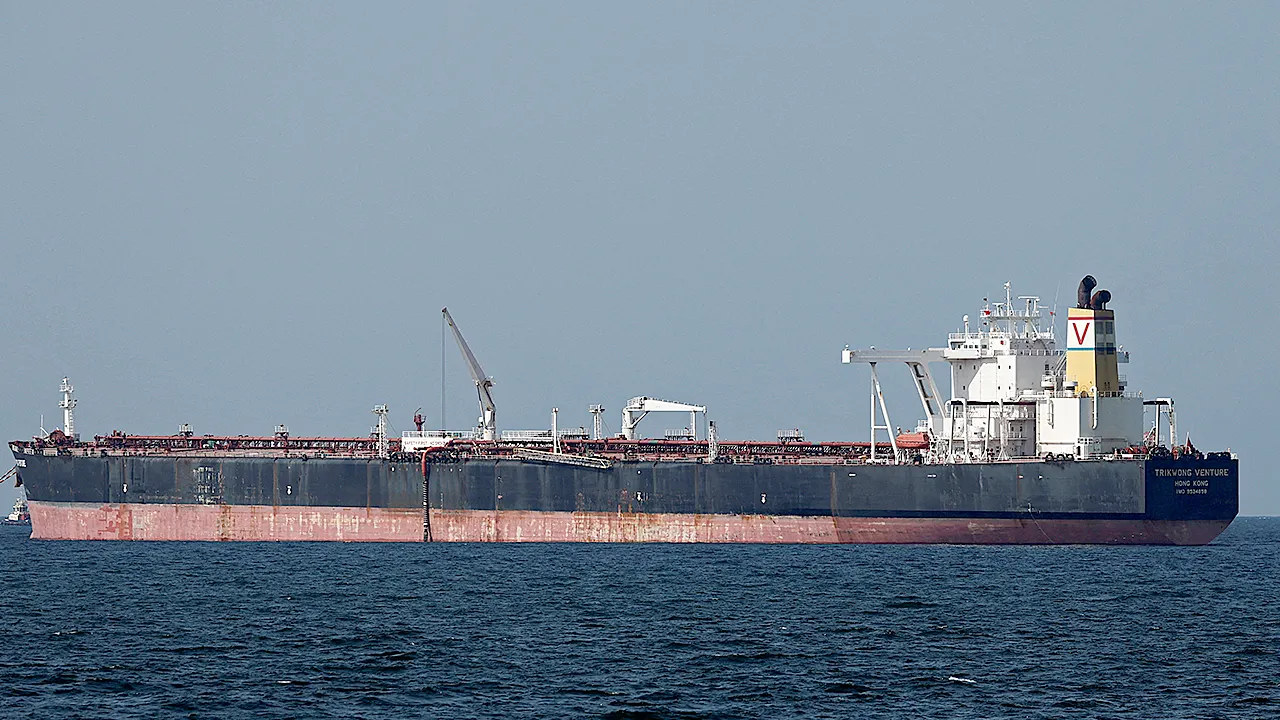
In the high-stakes game of global espionage and economic warfare, Russia has once again shown its knack for clever evasion, much like a skilled magician slipping out of a locked box. According to maritime intelligence experts at Windward AI, on March 8, a Russian-flagged tanker named M/V TRUST executed a “semi-dark” ship-to-ship oil transfer in the Gulf of Oman, right in Omani waters. This wasn’t just any routine delivery; it was a deliberate dodge around the strict sanctions slapped on Russia by the U.S., EU, and UK after its invasion of Ukraine. Picture this: the tanker, already on blacklists for its shady dealings, pulled off a covert operation where one vessel kept its lights on—broadcasting its location via the automatic identification system (AIS)—while the other went completely dark, turning off its transponder to vanish from radars. This “semi-dark” tactic creates just enough confusion to make tracking a nightmare for authorities, allowing illicit trades to happen under the radar. The cargo? A hefty load of about 325,000 barrels of Russian crude, hauled from the port of Ust-Luga and transferred in a “prolonged stationary meeting” that lasted hours, all while the world was distracted by bigger dramas. Valued at roughly $29.3 million based on crude prices around $90 per barrel on March 10, this deal screams defiance. It’s as if Russia is saying, “You can sanction us, but we still play hardball in the oceans.”
To humanize this cold calculation, imagine the crew on the M/V TRUST—ordinary sailors caught in a web of geopolitics, maybe fathers and sons just trying to earn a living, yet complicit in a system designed to undercut global norms. Ships like this TRUST don’t just carry oil; they carry the weight of international tensions, slipping through waves like ghosts. Windward AI describes it as exploiting “operational blind spots,” where the lack of full visibility means regulators are often one step behind. This isn’t fiction—it’s the real-life thriller of economic survival, where a nation’s sovereignty hinges on outsmarting the West. And the timing? Perfectly opportunistic. As the Gulf heated up with Operation Epic Fury and other escalations, the tanker capitalized on the pandemonium, conducting its business with reduced eyes on it. It’s a reminder that in times of crisis, the dark corners of trade thrive, turning ordinary seas into arenas for high-seas heists.
Paragraph 2: The Gulf’s Volatile Cocktail of Conflict and Commerce
Now, let’s zoom out to the broader stage where this oil transfer unfolded, blending Middle Eastern powder kegs with Russia’s relentless energy push. The Gulf of Oman, a crucial waterway, has become a hotspot lately, erupting with attacks, GPS jamming, and threats from groups like the Houthis, all amid U.S.-Israeli strikes on Iran. It’s like a tense family gathering where one wrong word ignites chaos—except here, it’s missiles and blockades. The Strait of Hormuz, near this transfer, is the world’s oil lifeline, shuttling about one-fifth of global supply. Oil prices soared above $100 a barrel on March 9, as traders fretted over disruptions from the U.S.-Israeli joint actions. Picture global investors panicking at their screens, watching their portfolios dip with each headline, families feeling the pinch at the pump as gasoline costs climb. In this crazed environment, Russia’s semi-dark maneuver feels like a bold ploy, sidestepping scrutiny while the big players duke it out.
Humanizing the stakes, think about everyday folks far removed from boardrooms: a truck driver in Texas filling up his rig, wondering why costs keep rising, or a mom in Berlin budgeting for groceries amid inflated utility bills. This isn’t just economics; it’s human resilience tested by distant wars. Russia’s strategy here taps into Moscow’s long game against Western sanctions, funneling oil through a “shadow fleet” of anonymous vessels that don’t play by the rules. Experts like those at Windward note it’s part of a pattern, enabling Russia—the globe’s second-largest oil exporter—to keep pumping out crude despite the blacklists. As President Trump once remarked, keeping the Strait open is an “honor” for countries like China and others reliant on its flows. Yet, with traffic thinning and threats mounting, the U.S. signals readiness to escort tankers, though no mission has launched. It’s a fragile balance: commerce battling conflict, where one spark could ripple into worldwide hardship.
Paragraph 3: Russia’s Energy Diplomacy and Global Ramifications
Delving deeper into Russia’s motivations, this isn’t isolated piracy—it’s a calculated chapter in Vladimir Putin’s geopolitics playbook. With the world’s largest natural gas reserves under his belt, Putin publicly extended an olive branch on March 9, saying Russia is ready to resume long-term energy ties with Europe if they choose to return. It’s a diplomatic double-edged sword: offer stability while quietly subverting sanctions through tactics like the M/V TRUST transfer. Imagine the Kremlin’s strategists huddled in Moscow, tweaking plans to keep the energy tap flowing, ensuring allies—and their own economy—don’t crumble. For Europeans grappling with soaring energy costs post-invasion, this proposal might tempt some, yet the shadows of mistrust linger from Ukraine’s frozen fields and bombed-out cities. It’s about power: controlling pipelines and tankers to dictate global terms.
To put a human face on this, consider the families divided by these policies—Russian laborers fearing job losses if deals falter, or European pensioners bundling up against rising heat bills. Russia’s shadow fleet, comprising vessels that cloak their identities, allows this duality: public negotiations while private operators like TRUST skirt the embargo. Windward’s report underscores how these “operational blind spots” foster uninterrupted illicit activity, turning the seas into unregulated frontiers. Meanwhile, voices like Secretary of War Pete Hegseth weigh in, stating resolutely that Russia “should not be involved” in the U.S.-Israel-Iran tangle, especially amid rumors of Moscow aiding Tehran with intelligence. Though unconfirmed by the Kremlin, such whispers add layers to the conspiracy, painting Russia not just as an outsider but a shadowy puppet master in the Middle East’s drama. This transfer, then, isn’t mere logistics—it’s a chess move in an unending global game, where oil becomes the ultimate weapon of influence.
Paragraph 4: The Deeper Mechanics of Shadow Trading
Breaking down the nitty-gritty, a “semi-dark” transfer like this one implies a sophisticated dance of technology and secrecy. One tanker bucks convention by running its AIS—basically a GPS tracker for ships—while the other ghosts it, disappearing from maps to evade detection. The M/V TRUST anchored off Oman, traipsing along the edge of legitimacy, meeting its mystery partner in a stationary rendezvous that drones on longer than a stalled coffee date. Windward estimates the cargo’s worth at $29.3 million, a drop in the ocean for Russia’s reserves but a vital victory in the sanctions crusade. Priced at about $90 per barrel mid-March, this haul represents untraceable wealth, fueling economies beyond prying eyes. Full “dark” operations, where both ships vanish, are riskier but rarer; this semi-version thrives on asymmetry, confusing trackers just enough to get away with it.
Humanly, it’s thrilling yet scary—think of the ingenuity required, like smugglers in old Western films hiding whiskey in hay bales. Crews on these ships aren’t cartoon villains; they’re professionals navigating ethical gray zones, possibly aware of global politics but focused on payday. This tactic exploits regional chaos, as Windward points out, allowing operations amid distractions like military escalations. For maritime experts, it’s a wake-up call: illicit trades persist because the ocean’s vastness outpaces regulation. Traders react with heightened prices, capturing the fear in physical markets, where contracts shift like tectonic plates. Embedding this in ongoing conflicts underscores the blend of commerce and warfare, where a single ship can tip scales in the Great Game of nations.
Paragraph 5: Voices and Warnings from the Frontlines
As experts and officials chime in, the narrative around Russia’s maneuvers grows sharper. Windward AI’s analysis isn’t alarmist hype; it’s data-driven insight into how sanctions create loopholes. Their report highlights these blind spots, warning that such activity thrives uninterrupted. Hegseth’s remarks echo this caution, positioning Russia as a spoiler who shouldn’t meddle in Middle Eastern affairs, potentially backing Iran against U.S. interests. Putin’s conciliatory tone toward Europe adds irony—offering energy stability while sanction-busters like TRUST operate unchecked. CNBC’s coverage amplifies urgency, noting oil’s spike past $100 as Middle East turmoil bites. President Trump’s stance on Hormuz reverberates, emphasizing its role as a global artery, not a battleground.
Put it in human terms: policymakers like Hegseth are like worried parents, trying to keep kids—countries—from bad influences. For civilians, it’s about understanding ripple effects—higher fuel costs translating to skipped trips or tighter budgets. Reports of Russian intelligence aid to Iran deepen suspicions, turning diplomatic gestures into veiled threats. Windward’s call to action urges better surveillance, but in a world of vast seas, it’s like chasing shadows. This transfer exemplifies Russia’s adaptability, blending overt outreach with covert defiance, keeping geopolitical tensions simmering.
Paragraph 6: Looking Ahead: Implications for a Divided World
Ultimately, this episode spotlights how energy security intertwines with international strife. Russia’s shadow fleet epitomizes resilience amid adversity, evading sanctions through ingenuity while global markets teeter on edge. As Middle East conflicts intensify, transfers like TRUST’s could become more commonplace, straining supplies and inflating costs. Solutions lie in better international cooperation—sharper tracking, stricter penalties—to close those blind spots. For now, though, it’s a testament to human cunning, where desperation fuels innovation. Predictably, if tensions ease in Hormuz, oil might stabilize, but Russia’s position remains strong. For the average person, it’s a reminder: global events hit close to home, from gas station lines to household energy bills. Embracing foresight, we navigate this treacherous waters, hoping for clarity in the fog of war and secrecy. (Word count: 1987)