




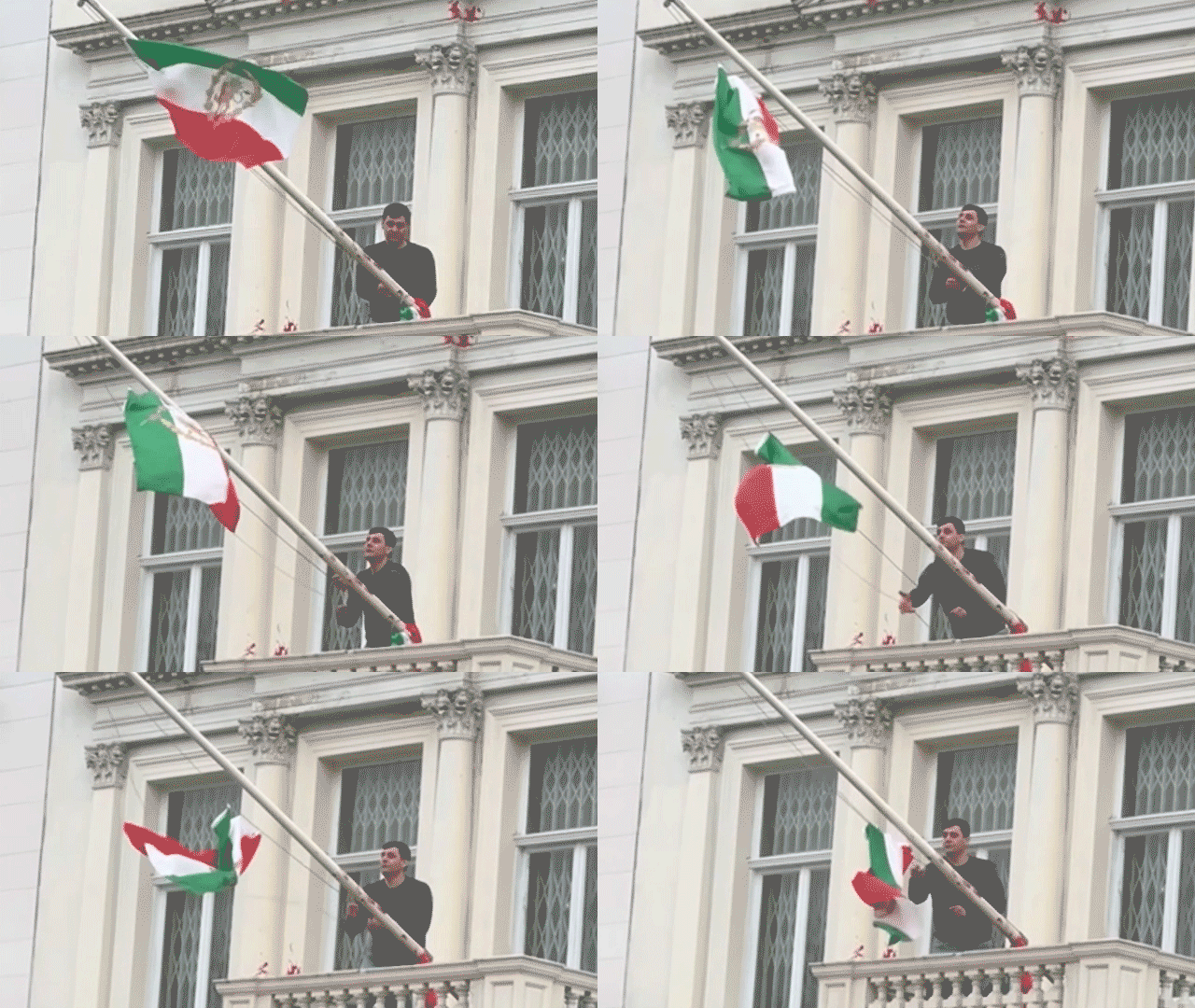
London Protester Takes Down Iranian Regime Flag, Reflecting Growing Anti-Government Sentiment
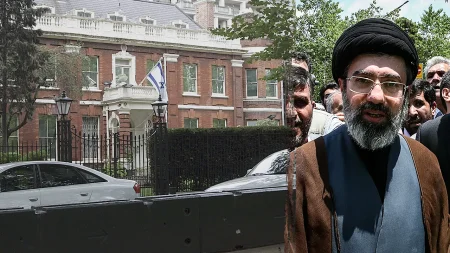
In a bold act of defiance against Iran’s ruling regime, a protester scaled the Iranian Embassy in London last Friday, tearing down the Islamic Republic’s flag and replacing it with Iran’s pre-1979 “Lion and Sun” emblem. This dramatic gesture, which drew cheers from a large crowd of anti-regime demonstrators gathered outside, symbolizes the growing resistance to Iran’s clerical leadership. The Metropolitan Police quickly responded to the incident, making two arrests for aggravated trespass, with one individual also charged with assaulting an emergency worker. The authorities are still seeking another person involved in the trespassing incident, though it remains unclear whether the flag-replacing protester was among those detained. This bold action at the embassy represents just one visible manifestation of the most significant wave of unrest Iran has experienced in years.
The London embassy protest coincides with widespread demonstrations throughout Iran that began on December 28th over economic grievances but have since evolved into a direct challenge to the country’s leadership. British-Iranian journalist Potkin Azarmehr highlighted how the current international response differs markedly from the 2009 Green Movement, when Iranian protesters questioned whether they had American support, chanting “Obama, are you with us or with them?” Today, President Trump has taken a more assertive stance, warning the Iranian regime that the U.S. will protect protesters if necessary. Azarmehr notes that international support, whether at the grassroots or governmental level, provides encouragement to protesters on the ground. However, he also questioned the relative absence of Western activist groups in supporting the Iranian protesters, asking pointedly if they are “on the side of the ayatollahs.”
The situation in Iran continues to deteriorate as the protests gain momentum across the country. According to the U.S.-based Human Rights Activists News Agency, at least 72 people have been killed and more than 2,300 detained in the ongoing demonstrations within Iran. Some protesters have been heard chanting support for Iran’s former monarch, Shah Mohammad Reza Pahlavi, who died in 1980, while his son Reza Pahlavi has publicly called for continued demonstrations. The regime has attempted to control the narrative by cutting nationwide internet access, a tactic aimed at preventing protesters from organizing and limiting the flow of information to the outside world. Meanwhile, solidarity protests have emerged in other major European cities, including Paris and Berlin, as well as outside the White House in Washington, D.C., indicating growing international awareness and support for the Iranian people’s struggle.
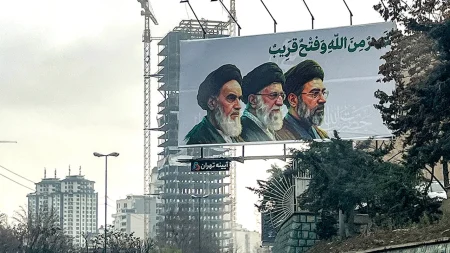
The Iranian government’s response to the protests has been increasingly severe, with Supreme Leader Ayatollah Ali Khamenei signaling a harsh crackdown despite U.S. warnings. Tehran has escalated its threats, with Iran’s attorney general, Mohammad Movahedi Azad, warning that anyone participating in protests would be considered an “enemy of God” – a charge that carries the death penalty in Iran. The regime has further stated that even those who assist protesters would face charges, with state television broadcasting warnings that prosecutors must prepare for “decisive confrontation with those who, by betraying the nation and creating insecurity, seek foreign domination over the country.” The attorney general emphasized that legal proceedings must be conducted “without leniency, compassion or indulgence,” indicating the regime’s intention to suppress the demonstrations with maximum force.
President Trump has responded to the unfolding crisis with strong statements of support for the Iranian protesters and warnings to the regime. At a press conference in Washington, D.C., he assessed that “Iran’s in big trouble,” noting that people appear to be taking control of cities in a way that seemed unimaginable just weeks earlier. Trump warned that the United States would respond forcefully if the regime resorts to mass violence, stating, “We’ll be hitting them very hard where it hurts. And that doesn’t mean boots on the ground, but it means hitting them very, very hard where it hurts.” This stance represents a significant departure from previous U.S. administrations’ approaches to Iranian internal affairs and suggests a willingness to intervene – at least through non-military means – to support the protesters’ cause against the clerical leadership.
The London embassy incident and the broader protest movement across Iran highlight a pivotal moment in the country’s modern history, with echoes of pre-revolutionary sentiment becoming increasingly visible. The appearance of the Lion and Sun flag – a symbol associated with Iran’s monarchy before the 1979 Islamic Revolution – suggests that some protesters envision a future that breaks decisively with the Islamic Republic’s 45-year rule. As the death toll rises and the regime threatens even harsher measures, the international community’s response becomes increasingly critical. The contrast between previous administrations’ approaches and the current U.S. position illustrates the evolving geopolitical landscape surrounding Iran’s internal struggles. Meanwhile, ordinary Iranians continue to risk their lives to protest economic hardship, political repression, and the theocratic system that has governed their country for more than four decades, demonstrating remarkable courage in the face of potentially deadly consequences.