


The Rise and Fall of an Anti-Hamas Leader in Gaza
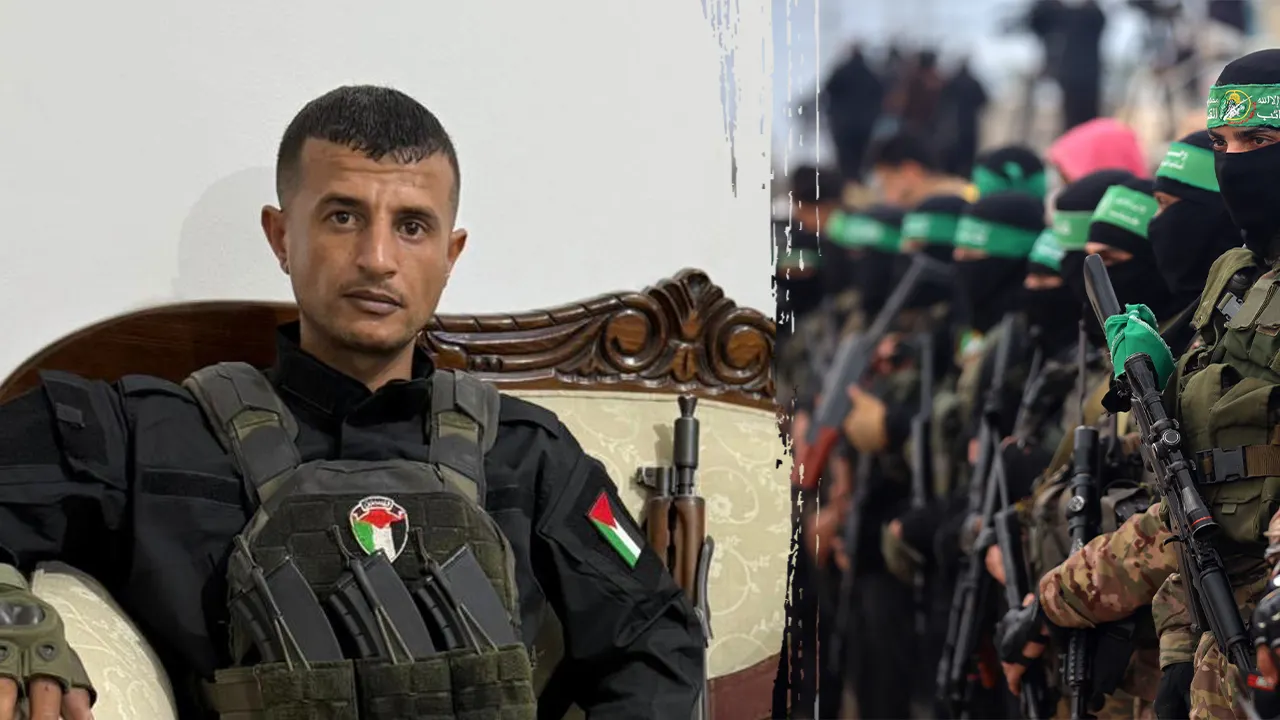
In the complex and volatile landscape of Gaza, the recent murder of Yasser Abu Shabab marks a significant development in the ongoing power struggle between Hamas, local clan militias, and Israeli forces. Abu Shabab, who headed the “Popular Forces” militia in the Gaza Strip, had established himself as a prominent anti-Hamas figure, allegedly working with Israeli backing to protect civilians and maintain order in parts of Rafah. According to Professor Kobi Michael, a senior researcher at the Institute for National Security Studies, Abu Shabab’s militia played a crucial role in shielding locals from Hamas and preventing the militant group from inflicting further harm on the civilian population. This cooperation with Israel made Abu Shabab a marked man, though ironically, reports suggest he was killed not by Hamas but in a dispute with a rival clan.
The emergence of Abu Shabab’s militia represents a significant shift in Gaza’s power dynamics that began in early 2024 as Israeli Defense Forces entered Rafah and Hamas’s grip on the area began to weaken. Operating under alleged Israeli protection, Abu Shabab’s men took on essential community functions such as escorting aid trucks, distributing supplies, and maintaining security in eastern Rafah. The group’s formation was part of a broader fragmentation of authority in Gaza, as the prolonged conflict created power vacuums that various armed factions rushed to fill. Abu Shabab himself had been unambiguous about his mission, declaring in an interview that his forces would “not leave the Gaza Strip and will continue to fight Hamas until the last one is dead.” Such direct opposition to Hamas’s authority made him both a valuable ally for Israel and a target for elimination.
The circumstances of Abu Shabab’s death, as reported by multiple sources, highlight the layered complexities of Gaza’s internal conflicts. According to The Jerusalem Post, Abu Shabab was initially wounded in a clan-related confrontation before being evacuated to a hospital in southern Israel, where he ultimately succumbed to his injuries. His own group, the Popular Forces, later confirmed his death in a statement, claiming he had been killed while attempting to resolve a local dispute. They vowed to continue their operations until “the last terrorist was eliminated in Gaza” and promised to pursue “a bright and secure future for our people who believe in peace.” This framing of their mission represents an attempt to position themselves not merely as anti-Hamas fighters but as champions for a peaceful alternative vision for Gaza’s future.
The relationship between Israel and militias like Abu Shabab’s appears to be one of pragmatic cooperation rather than long-term strategic alliance. As Professor Michael explained, “Israel has never believed that these militias can replace Hamas or become an effective ruler of the Gaza Strip,” but they share “a common enemy – Hamas.” Israel seemingly viewed these militias as “another operational tool in its war against Hamas” and established cooperation based on “local interests and essence.” The Abu Shabab militia reportedly continued operating from Israeli-controlled areas of southern Gaza even after the U.S.-backed ceasefire in October, demonstrating its ongoing utility to Israeli objectives. Just days before Abu Shabab’s death, on November 18, the group posted a video showing fighters preparing for a security sweep to “clear Rafah of terror,” referring to Hamas forces believed to be hiding in the area.
The power struggle in Gaza has intensified following the recent ceasefire, which created what Fox News Digital described as “a new landscape of militias, clan groups, and networks” as Hamas’s control weakened throughout the region. The Popular Forces in Rafah represented just one element in this complicated tapestry of armed groups vying for influence and territory. Hamas has apparently grown “deeply troubled because of these militias” and has been making “utmost efforts to dismantle them,” perceiving groups like Abu Shabab’s as “a real threat.” However, the fact that Abu Shabab was reportedly killed by a rival clan rather than by Hamas itself indicates that the challenges to stability in Gaza extend beyond simply removing Hamas from power. As Professor Michael noted, “without an effective alternative governance to Hamas, the Strip will deteriorate into chaos.”
The murder of Abu Shabab underscores the precarious situation in Gaza as various factions compete for control in the absence of stable governance. While Israel has tactically supported certain anti-Hamas militias, there appears to be no clear strategy for establishing long-term stability in the region once Hamas is removed from power. The ongoing violence between rival clans, even among those united in opposition to Hamas, suggests that Gaza faces a challenging path forward regardless of the outcome of the current conflict. As Professor Michael concluded, “The situation is very fragile and unstable as long as Hamas is able to operate freely in Gaza.” Yet his analysis also implies that simply eliminating Hamas will not automatically bring peace to the region, as demonstrated by the inter-clan violence that apparently claimed Abu Shabab’s life. The complex web of tribal loyalties, political allegiances, and armed militias continues to shape Gaza’s future, with civilians caught in the crossfire of these competing powers.