




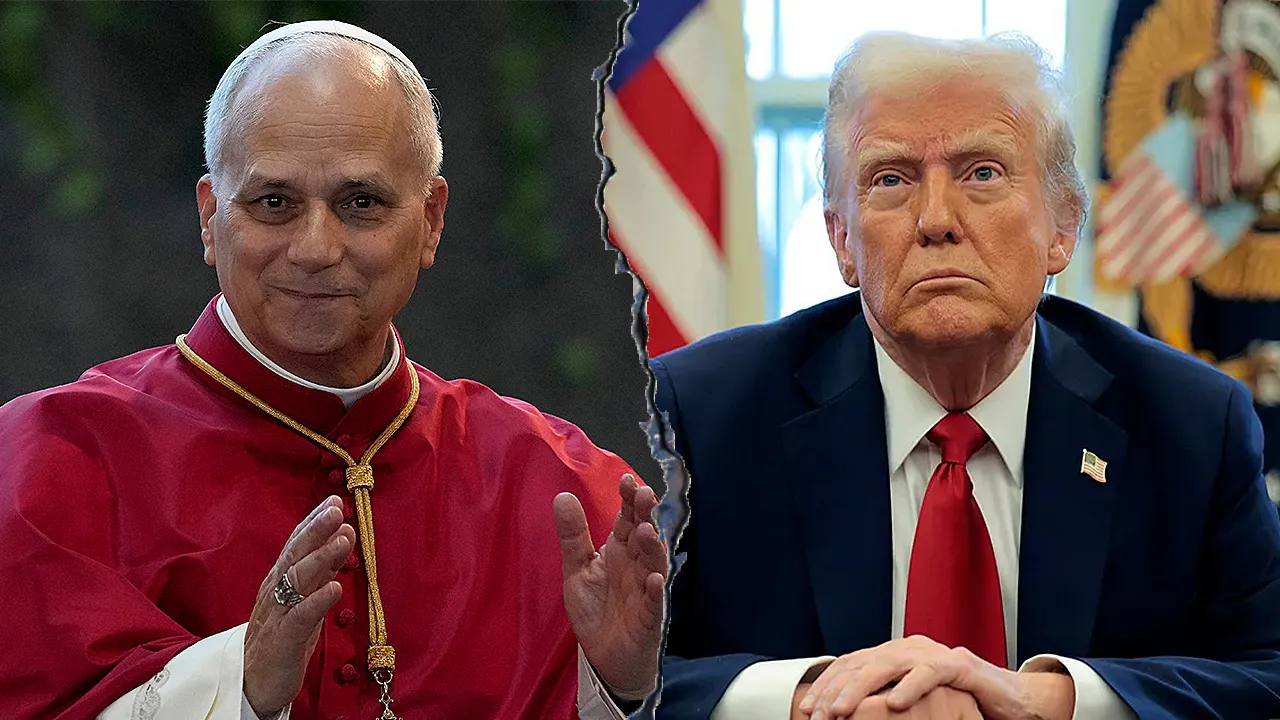
Pope Leo XIV Appeals for Diplomatic Solutions in Venezuela Crisis
In a powerful plea for peace, Pope Leo XIV has expressed deep concern over potential U.S. military action against Venezuelan President Nicolás Maduro’s regime. Speaking to reporters while returning from Lebanon, the American-born pontiff emphasized the importance of dialogue and diplomatic pressure rather than military intervention. His comments come at a critical moment as tensions between Washington and Caracas reach alarming levels, with the U.S. deploying its largest military presence in the Caribbean in recent years.
The 70-year-old Chicago native, who succeeded Pope Francis following his death earlier this year, spoke compassionately about the human cost of political conflicts. “We are trying to find a way to calm the situation, seeking above all the good of the people, because in these situations it is the people who suffer, not the authorities,” Leo explained during the in-flight press conference. His concern reflects the Vatican’s longstanding commitment to peaceful resolution of international conflicts, particularly in regions where civilian populations bear the brunt of political and military confrontations. The Pope noted with evident worry that while there appeared to have been phone communication between the U.S. and Venezuelan presidents, there simultaneously loomed “this danger, this possibility, that there could be an action, an operation, including an invasion of Venezuelan territory.”
Recent developments have accelerated the crisis, with reports indicating that President Trump delivered an ultimatum to Maduro demanding his immediate surrender of power. According to sources, Maduro refused this demand, instead proposing a “global amnesty” for himself and his allies. Meanwhile, the U.S. has intensified its campaign against the Venezuelan government, citing allegations of involvement in illegal drug trafficking as justification for its increased military presence. American naval forces have begun conducting operations against vessels suspected of drug trafficking in the Caribbean, signaling a significant escalation in pressure tactics. Pope Leo, addressing the complexity of the situation, acknowledged the mixed signals coming from Washington regarding its Venezuela policy while advocating for a more measured approach to bringing about political change.
“I again believe it is better to seek dialogue within this pressure, including economic pressure, but looking for another way to bring about change if that is what the United States decide to do,” the pontiff stated, carefully balancing recognition of U.S. sovereignty in foreign policy decisions with moral guidance toward non-violent solutions. This perspective aligns with the Catholic Church’s traditional role in international diplomacy, where it often serves as a voice for peaceful resolution even amid significant geopolitical tensions. The Pope’s comments suggest a nuanced understanding of the economic and diplomatic tools available to influence political outcomes without resorting to military force, reflecting the Holy See’s experience in facilitating dialogue between opposing parties in conflicts worldwide.
Pope Leo also took the opportunity to highlight the Vatican’s behind-the-scenes peace efforts, explaining how the Holy See works discreetly in negotiations to encourage all parties to lay down their arms. This revelation offers a glimpse into the diplomatic machinery of the Vatican, which often leverages its moral authority and international connections to facilitate dialogue in situations where direct communication between adversaries has broken down. The Pope’s willingness to discuss these efforts publicly may indicate a desire to emphasize the Church’s continued relevance in global peacekeeping efforts, particularly as traditional diplomatic channels face increasing challenges in a rapidly changing geopolitical landscape.
Beyond Venezuela, the pontiff addressed other international concerns during his conversation with the 81 reporters aboard the papal plane. He offered thoughts on the ongoing conflicts in the Middle East and Ukraine, further demonstrating the global scope of the Vatican’s diplomatic engagement. These comments reinforce Leo’s emerging profile as a pontiff deeply invested in world affairs, continuing the internationalist approach that characterized his predecessor’s papacy while bringing his own perspective as the first American to hold the office. As Maduro brandishes a sword at rallies and rails against what he terms “imperialist aggression,” the Pope’s call for calm and dialogue stands in stark contrast, offering an alternative vision for resolving the Venezuelan crisis through peaceful means rather than confrontation.
As the situation continues to develop, Pope Leo’s intervention represents a significant moral voice in a complex international standoff. His appeal for diplomatic solutions over military action reflects not only Catholic teaching on peace but also practical concerns about the humanitarian consequences of armed conflict. While acknowledging the legitimate concerns about governance and human rights in Venezuela, the Pope reminds world leaders of their responsibility to prioritize human welfare in policy decisions. This balanced approach—recognizing the need for political change while advocating for peaceful methods to achieve it—illustrates the unique position the Vatican occupies in international relations, able to speak to both moral principles and practical realities in urging restraint and dialogue even as military options remain on the table.