

The Quiet Announcement in the Eternal City
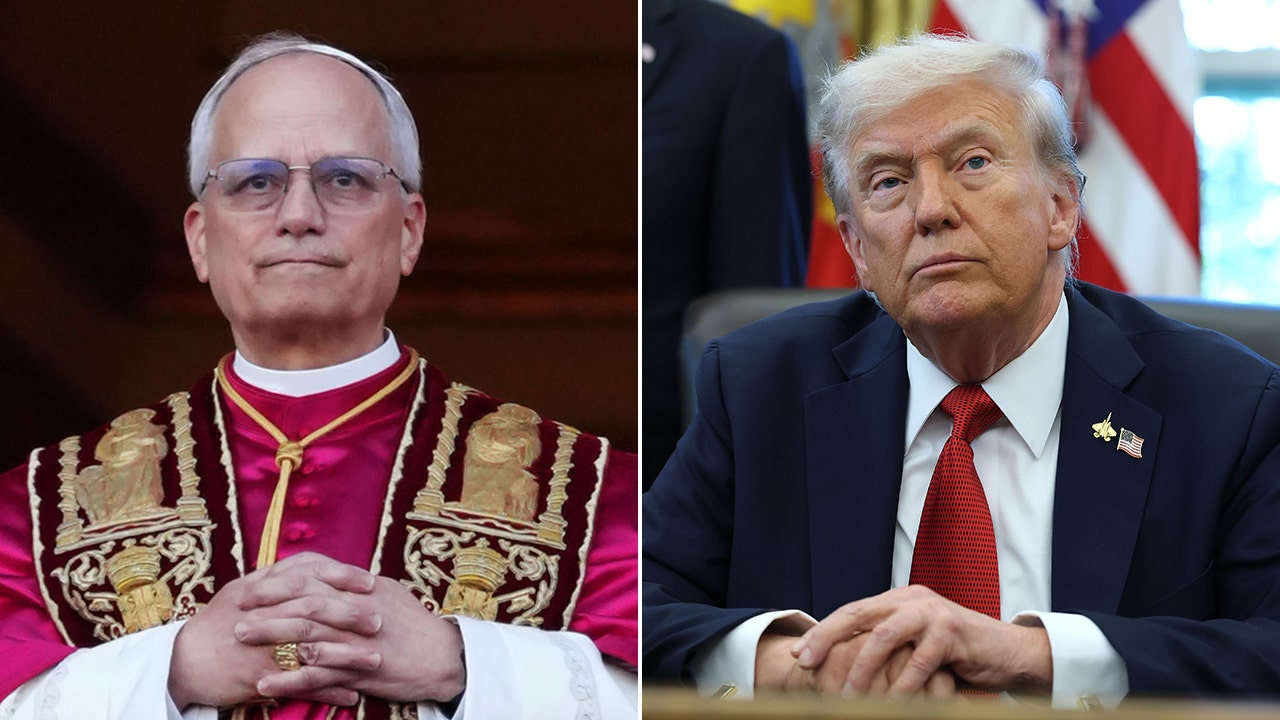
In the heart of Vatican City, where the whispers of centuries-old diplomacy echo through the Sistine Chapel’s grand halls, Pope Leo XIV made a seemingly routine announcement on a crisp Saturday afternoon. Flanked by his advisors in the Apostolic Palace, the pontiff, a man whose American roots and passionate worldview have always drawn contrasts to the opulent trappings of the papacy, revealed the appointment of a new ambassador to the United States. Archbishop Gabriele Caccia, a seasoned diplomat with a lifetime of navigating global tensions, would step into the role of Apostolic Nuncio, replacing the venerable Cardinal Christophe Pierre. For those who tuned into the Fox News alert or scrolled through Vatican News, this wasn’t just another bureaucratic shuffle; it was a gentle nudge in the delicate dance between faith and politics. Pope Leo, at 75, has always carried the weight of his predecessor Pope Francis’s legacy— a progressive stance on immigrants, the environment, and dialogue over conflict— and this choice felt like a personal commitment to bridge divides. Archbishop Caccia, with his 68 years etched in diplomatic experiences from the United Nations to the war-torn shores of Lebanon, brings not just expertise but a human touch, someone who has witnessed the real faces of suffering in embassies worldwide. As he accepted the mission with “joy and trepidation,” one could imagine the archbishop reflecting on his own journey: from a humble Italian upbringing to representing the Holy See in places where hope often wrestles with despair. This appointment, timed against the backdrop of an impending American election and frayed relations, symbolizes a quiet plea for unity, especially as 2026 approaches—the 250th anniversary of U.S. Catholicism, a milestone that Pope Leo hopes will reignite the flames of communion in a polarized world.
A Diplomat’s Path and the Shadows of Retiring Bishops
Delving deeper into Archbishop Gabriele Caccia’s story reveals a tapestry of international intrigue that humanizes the austere title of Apostolic Nuncio. Born in Milan, Italy, and ordained amid the turbulent 1970s, Caccia has spent decades honing his craft in the Vatican’s foreign service. His stints as ambassador to the Philippines and Lebanon weren’t mere postings; they were immersive immersions into the human condition. In Manila, he navigated post-party coup reverberations, fostering dialogues that healed community rifts. Lebanon, with its sectarian scars and civil war echoes, tested his resolve as he brokered peace talks amid refugee crises and political instability. Now, as he transitions from the bustling UN corridors in New York—where he grappled with global climate accords and humanitarian aid— to the embassy in Washington, D.C., Caccia steps into shoes once worn by Cardinal Christophe Pierre, an 80-year-old French prelate whose tenure was marked by both triumphs and tribulations. Pierre, a man of deep faith and intellectual rigor, served faithfully but often found himself at loggerheads with the conservative wing of the U.S. Conference of Catholic Bishops. Representing Pope Francis’s inclusivity—think welcoming the marginalized, prioritizing mercy over judgment—Pierre battled perceptions of liberal bias, especially in a Trump-era America wary of big-government idealism. As Pierre retires after years of mediating between the Vatican’s progressive ethos and American cultural wars, his farewell feels poignant. Bishops’ confabs in Baltimore, late-night prayers in embassy suites, and private exchanges with political heavyweights—all part of a life dedicated to the Gospel’s call for peace. In welcoming Caccia, the U.S. bishops, led by Archbishop Paul S. Coakley, extended warm prayers, acknowledging the human burdens of diplomacy in a fragmented world. This stewardship isn’t about power plays; it’s about shepherding souls in a secular age, reminding us that behind titles lie people grappling with exhaustion, hope, and the ineviable pull of coexistence.
Strained Ties: Faith, Politics, and the Trump White House
The appointment of Archbishop Caccia arrives at a fraught moment in Vatican-U.S. relations, where faith intersects with the raw power of politics in ways that expose human frailties. Pope Leo XIV, inaugurated last May after the sudden death of Pope Francis, inherited not just Peter’s keys but a portfolio of tense dialogues with the Trump administration. Issues like immigration roil the waters—think miles of borders patrolled by patrols, parents separated from children in detention centers, and a president pushing for walls that symbolize division. The pope, whose own Chicagoan roots paint him as empathetic to the American dream’s underbelly, has repeatedly challenged what he sees as “inhumane” treatment, labeling it contradictory to pro-life values. White House Press Secretary Karoline Leavitt, herself a practicing Catholic, countered sharply, defending the administration’s enforcement as humane and lawful—a rebuttal that echoes the personal dilemmas of faith in policy. Then there’s the simmering conflict with Iran, where coordinated U.S.-Israel strikes ignited fears of escalation. Pope Leo urged moral responsibility, decrying the “spiral of violence” in sermons that resonated globally, pleading for dialogue over destruction. These clashes highlight a broader narrative: two leaders— the spiritual shepherd and the pragmatic president—each shaped by life experiences. leo, from humble Midwestern beginnings, champions mercy; Trump, the billionaire entrepreneur turned politician, emphasizes security and deals. Despite Trump’s praise of Leo as a “lovely man” upon his election, undertones of discord linger. Trump’s 59% haul of the Catholic vote in the 2024 election, per Politico reports, underscores how faith voters weigh patriotism against papal pleas. In human terms, it’s about families torn by policies, veterans haunted by war’s memories, and leaders wrestling with guilt over unborn paths untaken—reminding us that international relations aren’t abstract; they’re lived in the kitchens of diplomats and the prayers of the faithful.
Pope Leo’s Pleas Amid Global Firestorms
Pope Leo’s voice, amplified through the Vatican’s global megaphone, has become a beacon for humanizing the cold calculus of conflict, weaving personal appeals into the fabric of world events. Just weeks ago, as U.S.-Israel strikes targeted Iranian sites, the pontiff condemned the “tragedy of enormous proportions,” invoking memories of civilians caught in crossfires and families mourning lost loved ones. His words—delivered from St. Peter’s Square to a world hungry for peace—urged an end to the cycle of threats and weapons, advocating instead for “authentic dialogue” that he believes can bridge even the deepest chasms. This stance, rooted in his American pragmatism, draws from a lifetime of witnessing inequality; Leo grew up in Illinois during the civil rights era, where protests against injustice shaped his pastoral empathy. Fast-forward to early January, and another crisis loomed: the U.S. military’s intervention in Venezuela, a bold move against authoritarianism that Leo criticized in a rare English-language policy address. “War is back in vogue,” he warned, his voice steady yet tinged with sorrow, no doubt recalling global traumas from Rwanda to Syria. He highlighted the “zeal for war” spreading like a virus, calling leaders to account for the human cost—orphans, widows, and shattered communities left to rebuild from ashes. These interventions aren’t mere rhetoric; they’re acts of vulnerable leadership, exposing the pope’s own inner turmoil. Behind the mitre lies a man who has lost sleep over unheeded prayers, who has comforted refugees and grieved with families. In urging Maduro and Trump to consider dialogue during a failed call, Leo exemplified the human element of diplomacy: acknowledging fears, appealing to shared humanity, and daring to envision a world where bombs yield to handshakes. His messages, distributed via outlets like Chicago Catholic and Fox News, resonate with everyday people yearning for leaders who prioritize peace over pride.
Trump’s Retorts and Unlikely Connections
Donald Trump, the unconventional president whose tenure redefined American politics with bravado and a Twitter-esque flair, has responded to Pope Leo’s criticisms with a mix of deflection and genuine admiration, revealing the quirky human dynamics at play in high-stakes faiths. Upon Leo’s election last May, Trump hailed it as a “great honor,” his voice booming with the enthusiasm of a dealmaker closing a win, despite the Vatican’s more progressive leanings. When pressed about the pope’s pointed remarks on immigration and conflict earlier in the year, Trump told Politico he hadn’t read the statements but assured reporters, “I’m sure he’s a lovely man.” This casual dismissal, characteristic of Trump’s “no apologies” style, stems from a worldview forged in New York boardrooms and reality TV sets, where vulnerability is weakness and persistence is king. Yet, Trump’s alignment with Evangelical and conservative Catholic voters—clinching 59% of the Catholic block in 2024—hints at deeper connections. Last fall, his brush with the pope’s brother, whom he dubbed “serious MAGA,” added a familial warmth to the frosty ties; envision the White House corridors buzzing with tales of that meeting, where politics mingled with personal pleasantries. For Trump, largely immune to subtle rebukes, these interactions underscore his pragmatic disregard for institutional weight, favoring instinct and loyalty. But humanize this: Trump, at 78, a grandfather and survivor of legal battles, has his own compass shaped by rallies’ cheers and silent nights pondering legacy. He sees the Vatican’s critiques not as confrontations but as preferences, navigating them with the same poker-faced charm that won him the presidency. In rejecting claims of “inhumane” immigrant treatment, via spokespersons like Leavitt, Trump asserts humane enforcement—policies he defends as protecting dreamers while cracking down on crime, a balance that mirrors America’s internal conflicts. This interplay of personalities, from the pope’s earnest sermons to Trump’s blunt retorts, illustrates how faith and power dance in imperfect rhythm, each leader’s humanity peeking through the veneer of office.
Echoes of Welcome and the Road Ahead
As Archbishop Gabriele Caccia embarks on his mission, the U.S. Catholic landscape buzzes with anticipation, blending tradition with the inexorable tide of change. Archbishop Paul S. Coakley, presiding over the U.S. Conference of Catholic Bishops with a steady hand, extended heartfelt support upon Caccia’s appointment, articulating the bishops’ collective hope for harmony in a divided era. “On behalf of my brother bishops, I wish to extend our warmest welcome and our prayerful support,” Coakley declared, his words carrying the weight of centuries of ecclesiastical stewardship. This gesture isn’t perfunctory; it’s the human expression of solidarity among shepherds, many of whom juggle congregations of parishioners grappling with economic strife, mental health crises, and cultural divides. Caccia’s arrival promises exposure to American Catholicism’s vibrant diversity—from bustling megachurches in the South to immigrant-led missions in border towns—where faith contends with secularism. Reports from Politico and the Associated Press paint a picture of Trump’s enduring Catholic appeal, yet Pope Leo’s vision of dialogue challenges complacency, urging bishops to balance tradition with compassion. Humanizing this tapestry reveals stories of everyday Catholics: the undocumented mother praying for her children’s future, the veteran reconciling war’s scars with Gospel teachings, and the diplomat like Caccia, whose tenure will forge personal connections in diplomatic dinners and private confessions. As 2026 nears—the 250th anniversary—there’s a palpable hope for renewal, a chance to heal rifts over immigration, war, and morality. Caccia’s trepidation mirrors the momentous weight; his joy, the privilege of service. In this narrative of spiritual diplomacy, we see not institutions clashing, but people striving—popes pleading, presidents responding, bishops welcoming—for a world where peace is more than a word, but a lived reality enshrined in human hearts. Through it all, the Vatican and Washington remind us that faith, flawed and fierce, remains the unspoken bridge between us all.