



Pope Leo XIV Urges Global Compassion as Holy Year Concludes
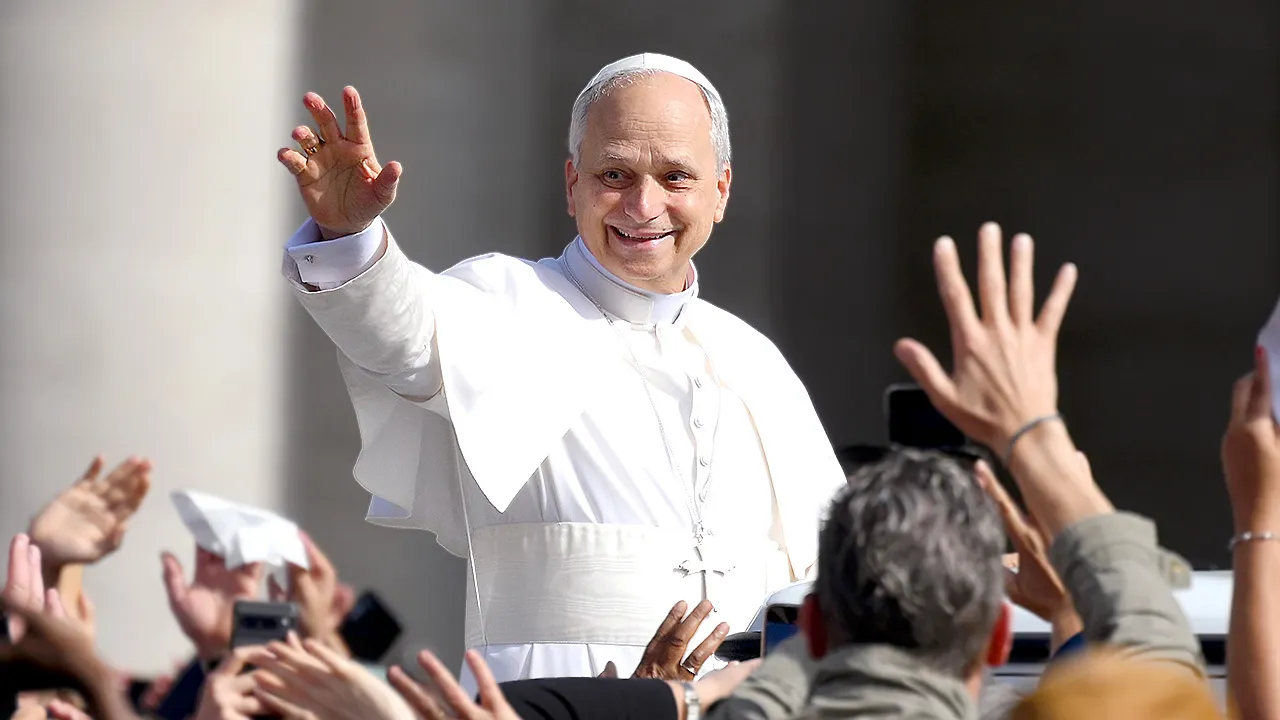
In a powerful closing ceremony at the Vatican on Tuesday, Pope Leo XIV officially ended the Catholic Church’s 2025 Holy Year by challenging Christians worldwide to embrace compassion and extend kindness to those in need, particularly foreigners. The Pope, who has consistently emphasized the importance of caring for immigrants throughout his papacy, used the occasion to reflect on the deeper meaning behind the jubilee year. Speaking to the faithful gathered at St. Peter’s Basilica, he posed a profound question: “After this year, will we be better able to recognize a pilgrim in the visitor, a seeker in the stranger, a neighbor in the foreigner?” His words resonated within the basilica and beyond, inviting the record 33.5 million pilgrims who visited Rome during this special year to reconsider how they view and treat others, especially those who are different or displaced.
The Holy Year, also known as a jubilee, represents a sacred time of peace, forgiveness, and pardon in Catholic tradition. These special years typically occur every quarter-century, with the next regular jubilee not expected until 2033—potentially marking 2,000 years since the death of Jesus. During a jubilee year, pilgrims journey to Rome to pass through special “Holy Doors” at four major basilicas and participate in papal audiences, seeking spiritual renewal and blessing. The 2025 celebration drew visitors from 185 countries, with the largest contingents coming from Italy, the United States, Spain, Brazil, and Poland. This impressive international participation underscores the global significance of the jubilee and its message of unity and reconciliation, even in a world often divided by political, cultural, and economic differences.
This particular Holy Year carries historical significance as it was opened by the late Pope Francis, who died in April, and closed by Leo XIV, who was elected in May as the first American pope in history. Such a transition between pontiffs during a jubilee year represents a rare occurrence not seen in three centuries—the last time being in 1700 when Innocent XII opened the Holy Year that was subsequently closed by Clement XI. Despite this leadership transition, the consistency in message has been remarkable. Pope Leo has maintained his predecessor’s emphasis on inclusivity, continuing Francis’ signature policies such as welcoming gay Catholics and remaining open to discussions about women’s ordination, demonstrating a commitment to continuity in the Church’s evolution toward greater compassion and openness.
In his closing address, Pope Leo offered a pointed critique of modern economic systems that commodify human experiences and relationships. “Around us, a distorted economy tries to profit from everything,” he observed, expressing concern about markets that “turn human yearnings of seeking, traveling and beginning again into a mere business.” This critique echoes Pope Francis’ frequent challenges to global capitalism and its tendency to reduce people to consumers or products. Leo’s words serve as a reminder that the jubilee’s spiritual message stands in stark contrast to materialistic values, calling believers to resist treating people as mere commodities or viewing human relationships primarily through an economic lens. Instead, he advocates for an economy of care and solidarity that recognizes the inherent dignity of each person.
The symbolic closing of the bronze Holy Door at St. Peter’s Basilica by Pope Leo marked not just the end of a religious observance but also represented a transition to living out the jubilee’s teachings in everyday life. While the door is now physically closed, the spiritual invitation remains open—challenging pilgrims to carry forward the lessons of mercy, forgiveness, and hospitality they experienced during their time in Rome. The Pope’s message emphasizes that true pilgrimage doesn’t end with a visit to holy sites but continues in how believers treat those they encounter, particularly the vulnerable and marginalized. This connection between ritual and lived faith highlights Catholicism’s dual emphasis on both symbolic religious practice and concrete acts of charity and justice.
As the Catholic Church looks ahead to the next Holy Year in 2033, Pope Leo XIV’s closing message serves as both a reflection on the past year and a roadmap for the years to come. His emphasis on recognizing the humanity in foreigners comes at a crucial time when migration issues continue to divide societies and challenge political systems worldwide. By framing immigration through the lens of Christian hospitality rather than political expediency, the Pope offers a faith-based perspective that transcends partisan divisions. His continuation of Pope Francis’ legacy while bringing his own distinct voice as the first American pontiff demonstrates how the Catholic Church continues to evolve while maintaining its core commitment to human dignity. The record attendance at this jubilee suggests that despite societal secularization in many parts of the world, there remains a profound hunger for spiritual meaning and community that transcends national boundaries—a hunger that the Church seeks to address through both ancient traditions and contemporary social teachings.