





From Australia to Philippines: The Journey of Bondi Beach Terror Suspects
In a disturbing development following the deadly Hanukkah event attack at Bondi Beach in Sydney, Australian and Philippine authorities have been piecing together the movements of the father-son duo suspected of carrying out the shooting. Philippine investigators have confirmed that the pair spent nearly the entire month of November in the Philippines, arriving on November 1 on Philippine Airlines Flight PR212 from Sydney to Manila, and departing on November 28—just weeks before the tragic attack that claimed multiple lives and left dozens wounded. This timeline has raised serious questions about their activities abroad and whether their trip was connected to their alleged terrorist plans.
The suspects’ behavior during their stay in the Philippines has drawn attention from local authorities. According to reports from Philippine police and hotel staff, the father and son maintained an extremely low profile throughout their four-week visit to Davao City. They rarely ventured outside their hotel room, emerging only for brief periods of an hour or so, and notably never engaged with other guests or received visitors. This reclusive behavior has fueled speculation, though Philippine authorities have pushed back against suggestions that the duo traveled to the country to receive training from Islamist groups believed to be operating in the region. The lack of social interaction and their apparent desire to avoid attracting attention have become significant factors in understanding their pre-attack movements.
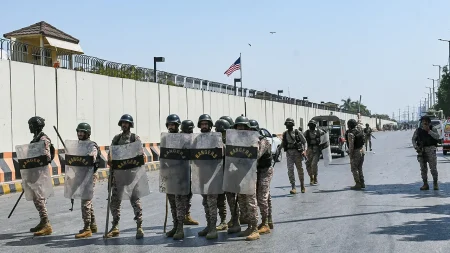
The choice of Davao City as their destination has raised eyebrows among security analysts. Located on the island of Mindanao, parts of which have been under a “Level 3: Reconsider Travel” advisory since May due to terrorism concerns, Davao City is one of the few exceptions to this warning. While Davao itself is considered relatively safe, the broader Mindanao region has a complex history with terrorist activity. In 2017, Islamic State-inspired militants stormed Marawi, a city in Mindanao’s Muslim-majority Bangsamoro Autonomous Region, resulting in a siege that displaced approximately 350,000 residents and left more than 1,100 people dead, the majority of whom were militants. Though Davao was not directly affected by this conflict, its proximity to areas with known terrorist activity has become relevant to the investigation.
The State Department’s travel advisories for the region highlight ongoing security concerns, noting that “terrorist and armed groups in Mindanao have historically engaged in kidnappings for ransom, in addition to bombings and other attacks” that often target foreign nationals and civilians. Marawi itself remains under a “Level 4: Do Not Travel” advisory, with authorities warning that civilians face risks from ongoing clashes between terrorist group remnants and Philippine security forces. While Australian Broadcasting Corporation reports that the influence and strength of Islamic State-aligned groups has declined in recent years, the Philippine military continues to have periodic encounters with remnants of these organizations. This context makes the suspects’ extended stay in the region all the more concerning to investigators attempting to determine if there were any connections established during their visit.
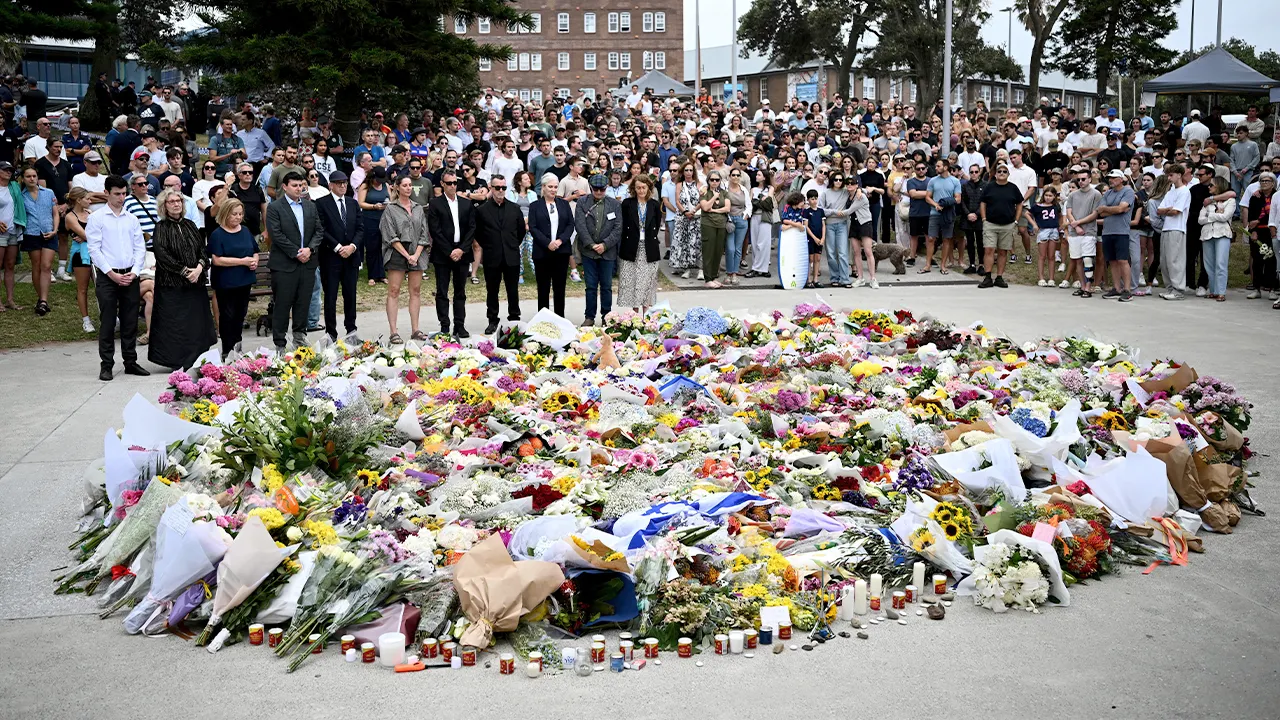
The attack itself unfolded on Sunday at a Hanukkah celebration at Bondi Beach, resulting in at least 15 deaths and dozens of injuries. The older gunman, who was the father of the younger suspect, died at the scene. The investigation subsequently uncovered disturbing evidence, with police reporting that the suspects had bombs, ISIS flags, and other materials indicative of terrorist motivations. On Wednesday, New South Wales Police announced 59 charges against the 24-year-old surviving suspect, including terrorism-related offenses, 15 counts of murder, 40 counts of “cause wounding/grievous bodily harm to person with intent to murder,” firearms charges, and displaying prohibited terrorist organization symbols. These charges reflect the severity of the attack and its apparent ideological motivations.
As the investigation continues, authorities are working to establish a comprehensive timeline of the suspects’ radicalization and planning. The four-week trip to the Philippines represents a critical period of interest, occurring so close to the eventual attack. While the surviving suspect remains hospitalized under police guard, investigators in both Australia and the Philippines continue to examine phone records, financial transactions, and potential contacts to determine whether the visit to Davao City was merely a diversionary tactic or if it played a more significant role in their preparations for the deadly assault at Bondi Beach. The answers to these questions will not only be crucial for bringing justice to the victims but also for preventing future attacks by identifying potential patterns in terrorist travel and planning.