



The Shocking Discovery in Kericho
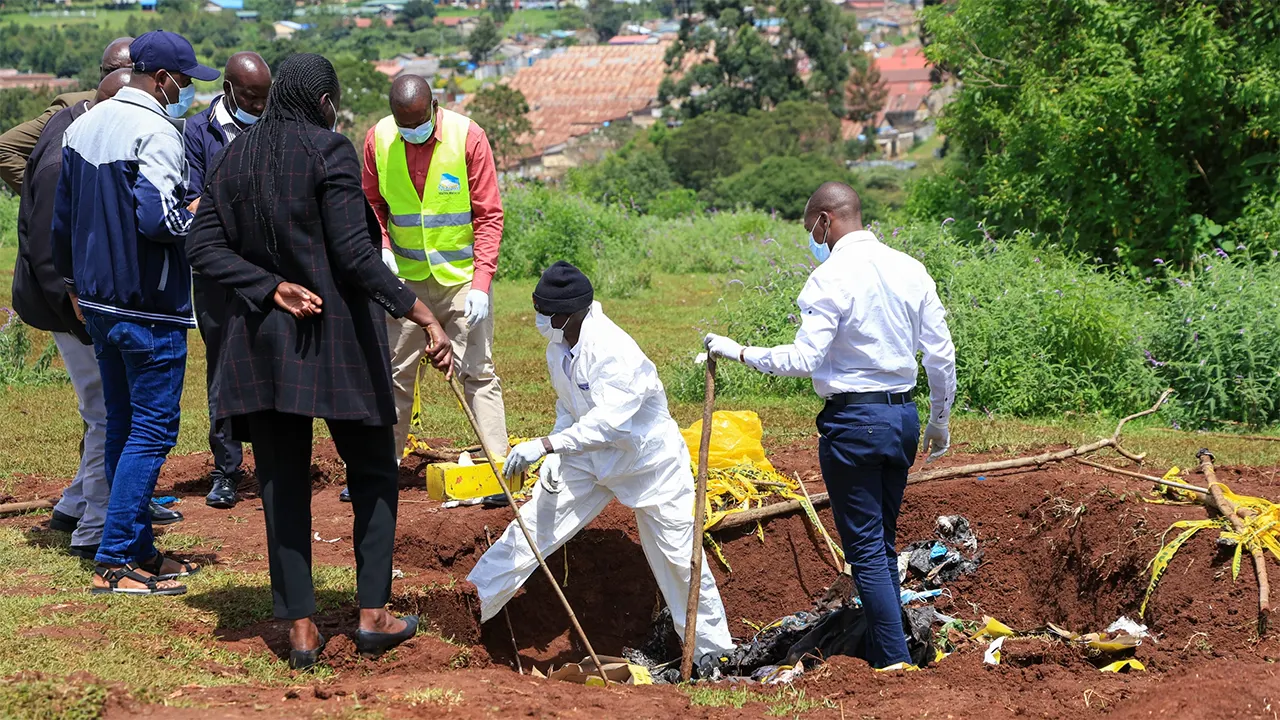
In the quiet outskirts of Kericho, a town nestled in western Kenya’s lush green hills, a grisly scene unfolded that felt like something out of a nightmare. On a Thursday that locals would never forget, detectives unearthed at least 33 bodies from a mass grave in a church-owned cemetery. Among them were the remains of 25 children and eight adults, their bodies sometimes dismembered and carelessly stuffed into gunny sacks. Imagine waking up to news like this – it was the kind of story that made your blood run cold, prompting thoughts of dark secrets buried in the earth. Families in the area spoke in hushed tones, wondering if their own loved ones could be among the victims. The cemetery, usually a place of peace and remembrance, had been turned into a site of horror. Residents like Brian Kibunja expressed their deep unease, calling for a full investigation. What could drive someone to treat human lives so callously? Was this a failure of the system or something more sinister? As word spread, the community grappled with a mix of fear, sadness, and anger, because these weren’t just numbers – they were children, innocents whose lives had been cut short in unimaginable ways. The sacks, rough and unyielding, hinted at rushed burials, perhaps under the cover of night, without the dignity of proper funerals. People imagined the gravediggers stumbling upon this, their faces pale with shock – one had even tipped off the police, unable to keep such a secret. It was a moment that shook the foundations of trust in their society, raising uncomfortable questions about how bodies could vanish from a hospital morgue and reappear like this. Kenyan law might allow disposal after 14 days with court approval, but this felt like a loophole exploited cruelly. Mothers thought of their kids playing nearby, fathers pondered the safety of their homes, and elders recalled old superstitions about restless spirits. The air in Kericho seemed heavier, charged with unspoken suspicion toward officials who might be involved. This wasn’t just a news item; it was a human tragedy that demanded answers, forcing everyone to confront the fragility of life and the darkness that could lurk in plain sight.
Authorities Step In, Piecing Together the Puzzle
As the sun rose higher over Kericho, government pathologists arrived in white coats, their faces grim with determination, ready to perform autopsies on the exhumed remains. These weren’t nameless strangers; they were people whose stories ended abruptly at Nyamira District Hospital. Leading the investigation was Mohamed Amin, the head of the Directorate of Criminal Investigations, who briefed reporters with a measured tone masking his inner turmoil. He wanted to know if these bodies had been legally disposed of or if foul play was at work. Imagine Amin’s frustration – sleepless nights poring over files, questioning hospital staff who claimed routine procedures. Two individuals had already been arrested, their lives upended in handcuffs, as detectives chased leads. One suspect might have been a morgue attendant, haunted by guilt over midnight transports in a government vehicle, the headlights cutting through fog like an accomplice to the macabre. Witnesses described the burials as hasty affairs, bodies dumped without rites, leaving the earth scarred. Amin emphasized the need for transparency, but whispers of cover-ups echoed louder. He pictured the children in those sacks – toddlers with missing limbs, perhaps, their tiny forms twisting in ways that no parent should envision. What if medical experiments or horrific accidents were concealed? The public demanded details, but Amin knew patience was key to avoiding panic. Families nationwide tuned in, heartbroken, fearing links to unsolved disappearances. This case stirred empathy for the victims’ kin, scattered across villages, grasping for closure. Amin’s team worked tirelessly, testing soil samples and tracking vehicles, their humanity showing in quiet moments of respect toward the dead. Yet, the pressure mounted – was this isolated, or part of a broader pattern of neglect