






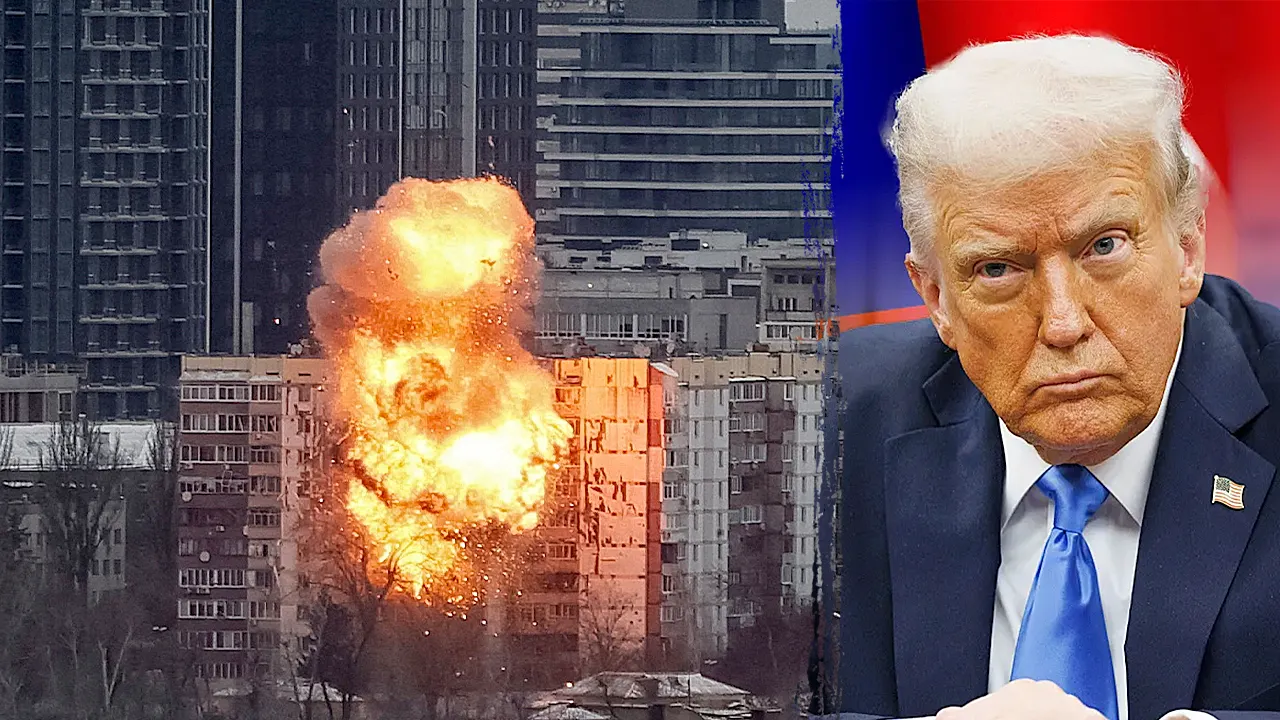
Ukraine’s Energy Crisis: A Nation Under Siege
In the shadow of a relentless war, Ukraine’s energy infrastructure stands as a prime target in Russia’s strategic assault on civilian life. Maxim Timchenko, CEO of DTEK, Ukraine’s largest private energy company, recently shared his perspective following a meeting between Ukrainian President Volodymyr Zelenskyy and U.S. President-elect Donald Trump. “Yesterday’s meeting gave us renewed hope. But our task is not to live from hope to hope — it is to continue doing what we have done for four years: responding to immediate challenges and fighting every day,” Timchenko explained. The energy executive expressed gratitude for Trump’s leadership, believing that the incoming U.S. administration, together with European partners, represents the best chance to bring Russia to the negotiating table. Yet beneath this diplomatic optimism lies the harsh reality that millions of Ukrainians face a winter where power outages could mean the difference between comfort and crisis.
The scale of destruction inflicted on Ukraine’s power grid is unprecedented in modern history. DTEK, once the operator of eight thermal power stations, now manages just five after three fell under Russian occupation. “Today, we operate five power stations, and each of them has been attacked at least five times since the full-scale invasion,” Timchenko noted. At the height of the assault, approximately 90% of DTEK’s generation capacity was either damaged or destroyed, resulting in hundreds of millions of dollars in direct damages. For 2025 alone, the company has allocated $220 million for recovery efforts. These staggering figures represent not just financial losses but a systematic attempt to break Ukrainian resistance by targeting essential infrastructure that sustains daily life. The attacks on power stations continue a pattern of warfare that deliberately blurs the line between military and civilian targets, leaving ordinary Ukrainians to bear the heaviest burden.
Despite these overwhelming challenges, the resilience displayed by Ukraine’s energy sector borders on miraculous. Since 2022, DTEK has managed to reconnect more than 30 million households and clients to the power grid. “We are fighting and we are fast,” Timchenko said, describing how his company operates in perpetual crisis mode. Every day brings new destruction, with teams working around the clock to restore essential services. The response goes beyond emergency repairs; DTEK continues ambitious projects including resuming gas drilling, constructing Eastern Europe’s largest wind park, and developing a major battery storage system in partnership with American firm Fluence. These forward-looking initiatives demonstrate a remarkable determination not just to survive the present crisis but to build toward a sustainable energy future—even as Russian missiles continue to fall.
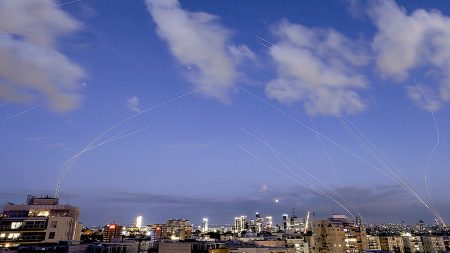
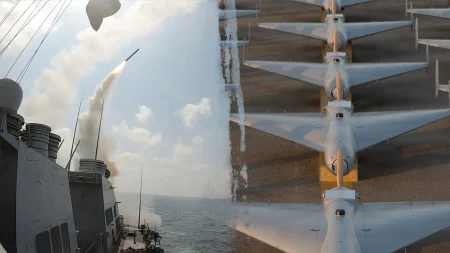
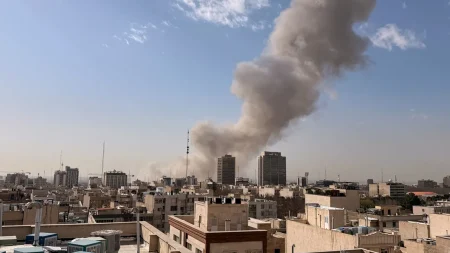
The human cost of Russia’s energy warfare strategy becomes most apparent during winter months, when temperatures plummet well below freezing. On December 26, a large-scale Russian strike hit Kyiv and surrounding areas, cutting electricity to more than one million people amid temperatures of minus 10 degrees Celsius. “People have learned how to live without necessities like electricity,” Timchenko explained. “Because of this attack, we couldn’t get water, we couldn’t get heat, and of course, there is no electricity.” The strikes employed a devastating combination of ballistic and Kalibr missiles followed by approximately 500 drones and other projectiles. In Odesa, around 600,000 people have experienced prolonged outages, with some neighborhoods going days without power. These aren’t merely inconveniences—in subfreezing temperatures, the loss of heating can quickly become life-threatening, particularly for the elderly and vulnerable.
The tactical targeting of energy infrastructure represents a calculated strategy to demoralize the Ukrainian population and strain the country’s resources. As Timchenko observed, “The energy system is at the core of this fight. Modern life simply cannot exist without electricity.” By systematically attacking power stations, transmission lines, and distribution networks, Russian forces aim to create cascading failures that affect everything from hospital operations to water pumping stations, communications systems to food storage. The psychological impact of living under the constant threat of blackouts compounds the physical hardships. Families must prepare contingency plans for cooking, heating, and basic illumination. Schools and businesses must adapt to unpredictable schedules. The cumulative stress takes a toll on a population already coping with the broader traumas of war.
Looking toward the future, Ukraine’s energy security remains inextricably linked to international support. While the diplomatic efforts of figures like Trump may offer pathways toward potential peace, the immediate needs of Ukraine’s power sector require concrete assistance. Technical equipment, spare parts, engineering expertise, and financial resources are all critical components of the recovery process. DTEK’s ability to quickly restore service after attacks demonstrates impressive technical capability, but the company cannot indefinitely withstand a campaign of systematic destruction without external aid. As winter deepens, the stakes grow higher. For millions of Ukrainian civilians, the difference between a functioning power grid and prolonged blackouts could determine whether they can remain in their homes or be forced to seek refuge elsewhere. In this sense, support for Ukraine’s energy infrastructure represents not just humanitarian assistance but a strategic investment in the country’s stability during its darkest hours.