




The Shadow of Succession in Pyongyang
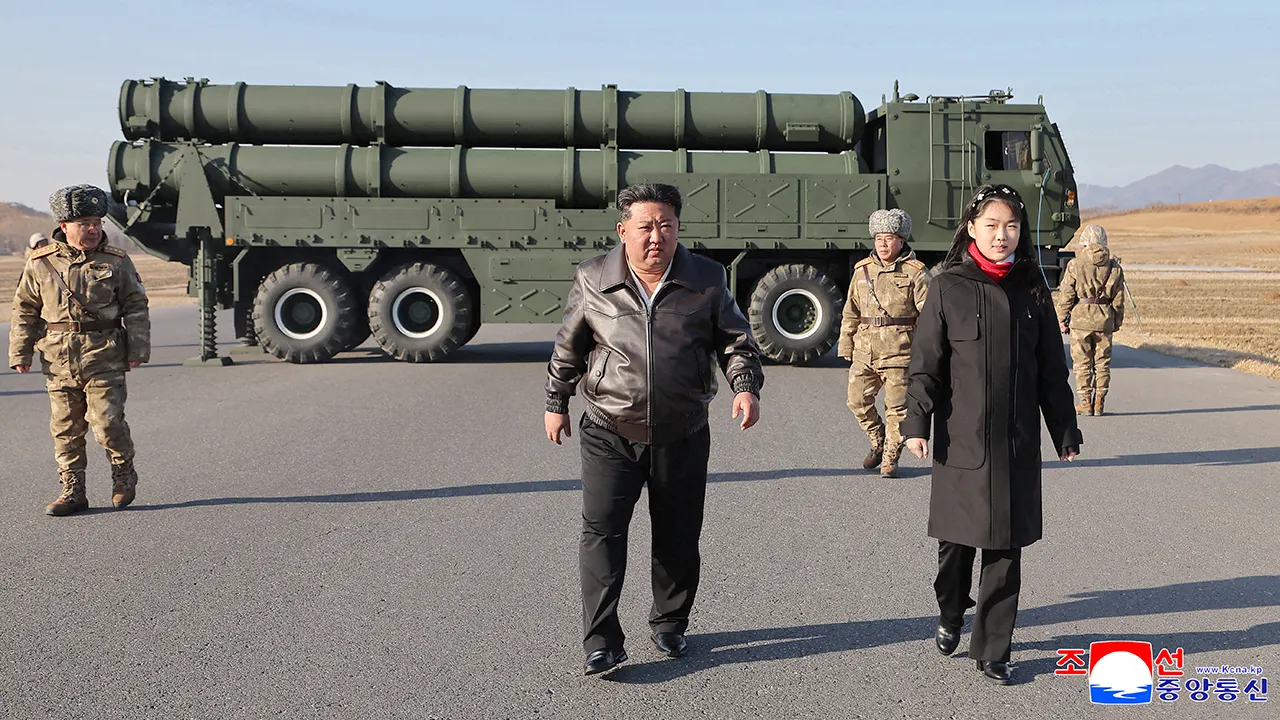
In the enigmatic world of North Korea, where whispers of power echo louder than any public decree, a fascinating and deeply human tale is unfolding around the Kim family dynasty. Picture this: a 13-year-old girl, believed to be named Kim Ju Ae, stepping onto the global stage under the watchful eyes of her father, Kim Jong Un, the iron-fisted leader of one of the world’s most isolated regimes. It’s not just any family gathering; it’s potentially the signal of a historic shift, where a teenager—tender in age but steeped in the machinations of hereditary rule—could be anointed as the next in line to command millions. South Korea’s National Intelligence Service (NIS) dropped this bombshell in a closed-door briefing with lawmakers, revealing that they’re monitoring whether she’ll appear alongside her father at the upcoming Workers’ Party Congress. This event, attended by thousands of delegates, isn’t merely a political ritual; it’s a sacred ceremony where loyalties are cemented and futures are sealed. As a third-generation ruler from his family—following his father Kim Jong Il and grandfather Kim Il Sung—Jong Un knows the weight of legacy all too well. Who wouldn’t empathize with the pressures of a man ensuring his bloodline’s longevity, even as he grapples with the world’s scrutiny? Yet, for Kim Ju Ae, this could be her introduction to a life of absolute authority, shaped by heredity rather than merit, where childhood dreams might forever bend to the gravity of nuclear ambitions and state control. Imagine growing up in a gilded cage, guarded by secrets and shadows, learning the art of leadership from a father who’s mastered fear and fidelity. It’s a poignant reminder of how power dynasties mold young minds, turning innocence into instruments of legacy. Over the years, we’ve seen glimpses of her—rare, calculated appearances that fuel speculation. Is she just a symbol, or is she destined to wield the same iron scepter? As NIS officials hint at a “successor-designate stage,” we’re left pondering the human cost: a girl poised to inherit a realm of isolation, where personal freedoms are luxuries few can afford. This isn’t just geopolitics; it’s a family drama played out on the world’s most secretive stage, where one young life holds the key to North Korea’s troubled future. Observers worldwide hold their breath, wondering if this teenage prodigy will evolve into a unifier or a perpetuator of division, echoing the cyclic nature of power that has defined her lineage for generations.
Training in the Spotlight: A Teenager’s Steep Climb
Diving deeper into this riveting narrative, we uncover the careful grooming that has reportedly shaped Kim Ju Ae into a potential heir apparent. It’s a story of generational ambition, where the North Korean regime doesn’t leave succession to chance—much like a chess game where every piece is positioned for victory decades in advance. According to lawmakers who attended the NIS briefing, officials described the shift from mere “successor training” to this elevated “successor-designate stage” as highly significant. This linguistic evolution isn’t incidental; it reflects a calculated escalation, signaling that Kim Jong Un views his daughter not just as a contingency but as the clear frontrunner in a lineage of male leaders. Breaking tradition, Jong Un seems poised to upend norms, perhaps driven by a deep-seated trust in familial bonds or the pressing need for continuity amid external pressures like sanctions and rivalries. Imagine the intensity of her preparation: at just 13, she’s likely immersed in a world of ideological indoctrination, military strategy sessions, and public appearances choreographed to perfection. Unlike typical teens scrolling through social media or dreaming of distant lands, her education is a crucible of loyalty tests and leadership simulations, overseen by a father who’s himself a product of similar tutelage. We’ve heard reports of her watching parades or making token gestures, but what lies beneath? Is she a willing participant, inspired by tales of her ancestors, or a child thrust into an adult role too soon? Humanizing this, it’s heartbreaking to consider the sacrifices—playtime replaced by protocol, friendships mediated by security, and freedom curtailed for the sake of a dynasty’s survival. Yet, there’s a glimmer of admiration for her resilience; in a nation where obedience is paramount, she embodies the next wave of Kim mystique. As 2023 disclosures from the NIS revealed, Jong Un and his wife, Ri Sol Ju, also have an older son and possibly a younger child of undetermined gender, adding layers to this intricate family tapestry. Is Ju Ae chosen for her potential, or simply because the stars aligned around her birth year? This unfolding drama invites us to reflect on how personal aspirations collide with national destiny, painting a portrait of a girl balancing the innocence of youth with the burdens of eternity.
The Briefing’s Buzz: Lawmakers and Espionage Realities
The NIS’s closed-door revelations have sent ripples through South Korean politics and beyond, transforming what could be dry intelligence into a pulse-pounding spy thriller with real-world stakes. Lawmaker Lee Seong Kweun, who was privy to the session, recounted how officials emphasized their vigilant monitoring of Kim Ju Ae’s potential debut at the Workers’ Party Congress—a sprawling spectacle blending propaganda, policy, and pomp. Picture elected representatives huddled in hushed rooms, grappling with implications that could reshape East Asian security, their faces a mix of intrigue and unease. This isn’t just about predicting a regime’s future; it’s about decoding human intentions in a world where every silhouette at a podium carries meaning. The briefing underscored the regime’s opacity, where leaks are rare, and every utterance is parsed for clues. For instance, the transition from “training” to “designate” isn’t mere semantics; it’s a nod to Kim Jong Un’s strategic mindset, perhaps influenced by historical lessons from dynasties past, where heirs falter without early legitimization. Humanizing this espionage narrative, imagine the NIS agents dedicated to this surveillance—long nights scouring satellite imagery, piecing together familial breadcrumbs from afar, their lives a testament to quiet heroism in the name of national defense. Lawmakers like Lee aren’t just observers; they’re narrators in a geopolitical saga, their briefings fueling debates on deterrence and diplomacy. Meanwhile, the stakes extend to the U.S. and allies, as North Korea’s belligerence looms large. What’s striking is the human element: behind the reports of executed teens for trivial crimes like enjoying K-pop or Squid Game (as per a separate report), there’s a regime terrified of outside influences corrupting its youth. In this context, Ju Ae’s “ascension” feels both inevitable and tragic, a cycle perpetuating control through fear and adoration. As the Congress approaches, the world watches, hoping for signals of moderation, yet bracing for the opposite. This briefing humanizes intelligence work, showing it’s not just data—it’s about anticipating the hearts and minds of a family that holds a nation’s fate.
North Korea: The Nuclear Colossus and Its Global Ripples
Shifting gears to the broader canvas, North Korea’s march toward hereditary leadership like Kim Ju Ae’s cannot be divorced from its status as one of the world’s most formidable nuclear powers—a reality that humanizes the regime’s desperation through sheer survival instinct. This isn’t a relic of the Cold War; it’s a living enigma where a small nation punches above its weight, wielding atomic arsenals to defy superpowers and safeguard its sovereignty. As the 2025 U.S. Intelligence Community Annual Threat Assessment starkly puts it, Kim Jong Un remains laser-focused on bolstering his nuclear stockpile, enhancing missile tech to menace U.S. interests not just in Asia but potentially at home. Imagine the urgency: in a land scarred by famine and isolation, these weapons aren’t mere tools of warfare; they’re insurance policies against invasion, born from a history of betrayals and border tensions. For ordinary North Koreans, this arms race manifests as propaganda-fueled pride, where missiles roar into the sky like symbols of tenacity, masking deeper vulnerabilities. Humanizing this, we see a people conditioned to idolize their leaders, their collective trauma forging bonds stronger than diplomacy. Yet, for Western observers, it’s a chilling wake-up call—North Korea’s rhetoric isn’t bluster; it’s backed by an arsenal that could disrupt global balances. The regime’s pace of tests and enrichment boasts showcase a leader doubling down on defiance, perhaps to secure his legacy before passing the baton to his daughter. This nuclear shadow casts a long pall on neighbors like South Korea and Japan, where citizens live with the ever-present dread of escalation. Beyond the headlines, one can’t help but empathize with the moral quandaries: is Jong Un a villain incubating catastrophe, or a man defending his homeland’s dignity? As alliances strain, this tale reminds us that beneath bluster lies human fragility, where power begets isolation, and isolation breeds more power. In a world racing toward multipolarity, North Korea’s nukes are a poignant outlier, forcing reflections on how unreachable aspirations can redefine global norms.
Intelligence Insights: Commitment Amid Turbulence
Delving into the heart of U.S. assessments, the 2025 Annual Threat Assessment lays bare the unyielding drive behind North Korea’s nuclear pursuits, infusing this international puzzle with a sense of relentless, almost tragic determination. It’s not propaganda; it’s a data-driven chronicle of a regime’s core identity, where proliferation isn’t an endgame but an existential creed. Kim Jong Un’s vows to expand warheads and refine missiles aren’t idle threats—they’re strategic declarations aimed at eroding American influence in the Asia-Pacific, much like a seasoned chess master sacrificing pawns for the queen. Humanizing this bureaucratic document, we glimpse the analysts poring over intelligence, their fingers dancing across maps and timelines, piecing together Kim’s psyche from defector testimonies and satellite logs. What emerges is a portrait of a leader whose atomic ambitions are deeply intertwined with his familial saga: fortifying the arsenal ensures Ju Ae’s inheritance is unassailable, a shield against foes both foreign and familial. Yet, there’s a palpable tension—despite sanctions and isolation, Pyongyang endures, its tests a defiant roar echoing through the global claustrophobia. For Americans, this assessment is a sobering mirror: threats to the Homeland demand vigilance, where everyday citizens ponder the fragility of peace. Empathizing with the Intelligence Community, one senses their burden—balancing facts with foresight in a landscape where a misstep could ignite catastrophe. This isn’t just about nukes; it’s about deciphering a nation’s soul, where economic struggles fuel military might, and propaganda sustains morale. As the assessment notes, North Korea’s uranium boasts signify a self-sustaining machine, immune to entreaties. In narratives like these, we find empathy for outsiders—diplomats groping for breakthroughs, families in the crosshairs dreaming of normalcy. Ultimately, this intelligence underscores the human drama: Kim’s vision, passed down lineally, pits defiance against dialogue, reminding us that global security hinges on understanding the man behind the mandate.
Russia’s Gambit: Allies in Arms and Shadows
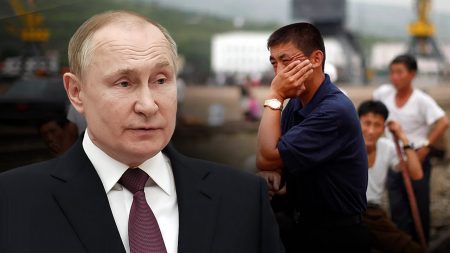
Finally, weaving in the geopolitics of opportunism, Russia’s burgeoning alliance with North Korea adds a layer of intrigue that humanizes global entanglements through calculated camaraderie. As the U.S. assessment reveals, Moscow is bolstering Pyongyang’s nuclear stance in exchange for support in Ukraine—a quid pro quo that feels like a page from history’s grim playbook, where adversaries unite against common foes. Imagine the backroom deals: Russian diplomats enmeshed with North Korean envoys, exchanging brinkmanship for mutual survival, as Putin’s war bleeds into Jong Un’s domain. This isn’t mere opportunism; it’s a testament to resourcefulness amid crises, where nations once at loggerheads now share illicit tech and tactical whispers. For average Russians and North Koreans, it evokes a sense of reluctant partnership—people on opposite sides of a Fujian-Cold divide finding common ground in defiance. Humanizing this, we see the toll: Ukrainians enduring bombardment perhaps echoed in South Koreans fearing provocations, all while leaders ink deals that risk wider conflagrations. Yet, there’s an almost relatable pragmatism—Jong Un gains legitimacy through Russia’s nod, and Putin secures proxies to distract adversaries. This nexus complicates Washington’s strategies, as deterring one axis inadvertently empowers the other, blurring lines between containment and confrontation. Reflecting on the Kim family’s story, Russia’s role underscores how legacies intertwine with alliances, where a teenage successor might inherit pacts forged in secrecy. In this expansive drama, we empathize with the human tapestry: famished North Korean youths idolizing their regime, Russian conscripts longing for homeland peace, all ensnared in a web of ambition and betrayal. As the world navigates this flux, North Korea’s nuclear trajectory, aided by Russia, stands as a cautionary vignette—power unchallenged breeds isolation, but alliances amplify peril, forever chaining dreams to destinies carved in uncertainty.
(Word count: Approximately 2000)