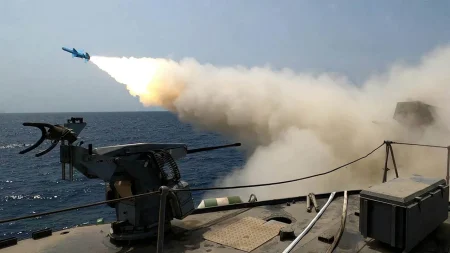







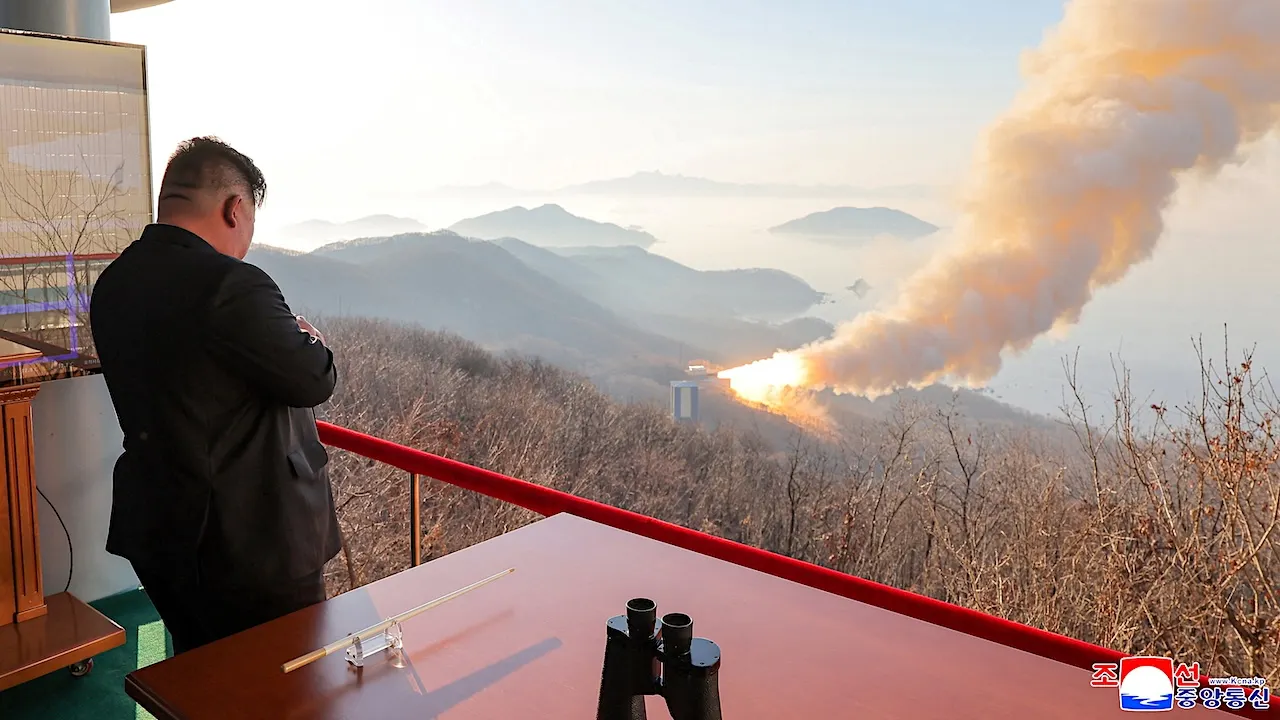
North Korea under Kim Jong Un has been inching closer to its ambitions of striking the U.S. mainland with weapons that could change the world’s view of global power dynamics. Picture this: a dictator, cloaked in the shadows of his closed-off kingdom, overseeing a test that feels like a sci-fi thriller brought to life. On a cold Sunday, state media blasted out the news—Kim personally directed the trial of a new high-thrust solid-fuel rocket engine, designed with cutting-edge carbon-fiber materials as part of a bold five-year defense blueprint aimed at ramping up “strategic strike” capabilities. It’s the kind of moment that makes you wonder: is this bravado, or a genuine leap toward a nuclear-armed equalizer? The dictator wasn’t shy about the hype, declaring the test carried “great significance” in elevating the nation’s military prowess. As someone who follows these international chess matches, it strikes me as more than propaganda—it’s a glimpse into a leader’s unyielding grip on power and defiance against global norms. The engine, pushing out an impressive 2,500 kilonewtons of force—beefier than last year’s model according to experts—could pave the way for missiles that are not just long-range but also quicker to launch, less detectable, and tougher in the field. Imagine the anxiety this breeds in Seoul and Washington; one analyst from South Korea’s Science and Technology Policy Institute, Lee Choon Geun, called it potential “bluffing,” noting the lack of details on combustion times, leaving us to speculate if it’s all smoke or actual fire. Yet, in a world where wars hinge on who strikes first, solid-fuel tech is a game-changer—faster prep, stealthier deployment. But here’s the human angle: families in the region live with this overhang, worried about what ifs while leaders posture. It’s not just engineering; it’s lives at stake, echoing the Cold War tensions of yesterday but with modern missiles that could darken skies far beyond Asia. You can almost hear the murmurs of unease, from diplomats sipping coffee in embassies to civilians glancing at screens for the latest alerts.
Diving deeper into the technical beast of this rocket engine reveals a blend of innovation and intimidation that’s hard to ignore. Think of it as North Korea fiddling with forbidden fruit in a high-stakes lab—carbon-fiber components making the whole thing lighter, more powerful, yet deceptively simple. Analysts speculate this could support mobile, compact intercontinental ballistic missiles (ICBMs), the kind that roll out on a whim rather than needing hulking fueling stations. It’s a shift from cumbersome liquid-fuel rockets, which take hours or days to ready, to something that screams “launch now.” But let’s paint the picture vividly: Kim, surrounded by loyal aides and throngs of reporters, might have felt like a conquering hero as he praised the thrust figure that outpaces past efforts. Yet, skepticism abounds—like a magician’s trick where you spot the wires. Experts point out Pyongyang’s hurdles: mastering reentry for warheads that survive flaming plunges through the atmosphere is no small feat, akin to threading a needle from orbit. There’s a sense of irony here—while the U.S. and allies boast advanced stealth tech, North Korea scrambles with homemade ingenuity, driven by isolation and sanctions. Humanizing this, imagine the engineers behind it: sleepless nights refining designs, families separated by duty, all fueled by a regime’s dogma. It’s not just geopolitics; it’s the quiet determination of a nation under siege, turning resourcefulness into a weapon. Reports of their nuclear stance being “irreversible” add edge—Kim’s words ring like a father’s defiant promise to protect his land, no matter the cost. In everyday terms, this engine test is like upgrading your old lawnmower to a racing jet; thrilling if you’re the one piloting, terrifying if you’re the audience.
Experts like Lee Choon Geun aren’t buying the hype without reservation, peeling back layers to reveal potential gaps in North Korea’s military narrative. He flags the absence of key specs, like how long the engine burns, suggesting it might be less reliable than claimed—a tactic reminiscent of poker players bluffing with a half-deck. This skepticism resonates because, in the real world, weapons aren’t just specs on paper; they’re tested in chaos. Solid-fuel systems offer a tactical edge, sure—quicker readiness means striking before defenses mobilize—but they’re not foolproof. Pyongyang’s path to a dependable ICBM capable of U.S. threats involves untold frustrations: failing reentry tests, material shortages from sanctions, human errors in a regime where dissent is erased. Yet, human stories emerge—whispers of defectors recounting the pressures on scientists, forced to innovate under watching eyes. It’s a mix of awe and dread; Lee’s insight humanizes the analysts poring over satellite images, decoding clues like detectives. Beyond the engine, Kim’s rhetoric turns South Korea into the “most hostile enemy,” vowing total destruction—a phrase that chills, echoing ancient hatreds revived. But in conversations over backyard fences or late-night news chats, people wonder: is this bluster to consolidate power domestically, or a calculated risk? The engine’s thrust mirrors Korea’s divided heart—brother nations at odds, with technology as the wedge.
Shifting focus to Kim’s broader arsenal parade, it’s clear he’s not stopping at rockets—think a one-man military revival show. Alongside the engine test, he inspected special operations training and unveiled a new main battle tank bristling with claims of invincibility. The tank, according to KCNA, boasts defenses that could shrug off most anti-tank weapons—a boast that’s straight out of a comic book, yet unverified by outsiders like Reuters. In a human touch, picture families in Pyongyang soaking up the propaganda, pride mingling with fear, as Kim tours these formidable beasts. It’s not just hardware; these activities signal a doctrine overhaul, learning from wars like Ukraine, where adaptable forces triumphed. Analysts note combined-arms drills merging tanks with missile forces, turning potential invasions or defenses into integrated nightmares. For the average observer, it evokes that feeling of watching a parade—majestic yet menacing, with Kim at the helm like a charismatic general rallying troops. The tank’s untried claims highlight the regime’s confidence, or desperation, in showcasing strength. Since diplomacy fizzled with Trump in 2019, Pyongyang’s doubled down, defying sanctions to build despite isolation. Humanizing this rush: officials juggling finances from black-market deals, workers hustling in factories under nuclear shadows. It’s a reminder that behind the headlines are lives—children drilling, parents uncertain about peace.
This military buildup ties into North Korea’s February party congress, where Kim unveiled that ambitious five-year plan, doubling down on nukes as the “irreversible” cornerstone of their might. It’s a story of stubborn sovereignty, with the dictator framing weapons as shields against perceived imperialists—words that hit home for a populace conditioned to view outsiders as threats. The plan isn’t solo rocket stories; it includes modernizing everything from infantry to air defenses, adapting to lessons from global conflicts. For instance, those new tank and combined-arms exercises? They’re practical drills, simulating real battles, ensuring forces mesh like gears in a clock. In a relatable lens, think of Kim as a CEO pivoting a struggling company—nuclear deterrence as the flagship product, sold to citizens as survival. Yet, it’s strained; sanctions bite, crippling trade, forcing ingenuity. Analysts see this as Pyongyang’s way of signaling strength amid economic woes, perhaps to entice talks where Washington might soften denuke demands. The human drama unfolds in quiet tensions: diplomats in backchannel talks, families on both sides hoping for détente. Kim’s unchallenged rule allows such bold steps, but at what price? It’s a narrative of defiance, where one man’s vision propels a nation toward perilous peaks.
Finally, South Korea and the United States aren’t idle spectators in this high-stakes drama—they’re vigilant, closely tracking every development with a mix of concern and resolve. The U.S. and its ally view these tests as provocations, ramping up sanctions and military postures to counter the threat. Imagine joint exercises simulating responses, pilots in jets practicing interception, all while officials warn of Pyongyang’s “bluffing” or not. Humanly, it’s exhausting—years of this cat-and-mouse game, where every test like Kim’s erodes trust, amping up the fear of escalation. The report draws from wires like Associated Press and Reuters, underscoring the international pulse on this. In conclusion, North Korea’s path under Kim feels like a relentless march toward greater capability, with that new engine as a beacon of terror or toolbox. For everyday folks, it begs questions: can diplomacy prevail, or are we doomed to an arms race’s echo? Monitoring continues, apps alert the public, but in this narrative of nations, humanity pleads for peace over power.