





Nigerian Schoolchildren Released After Month of Captivity
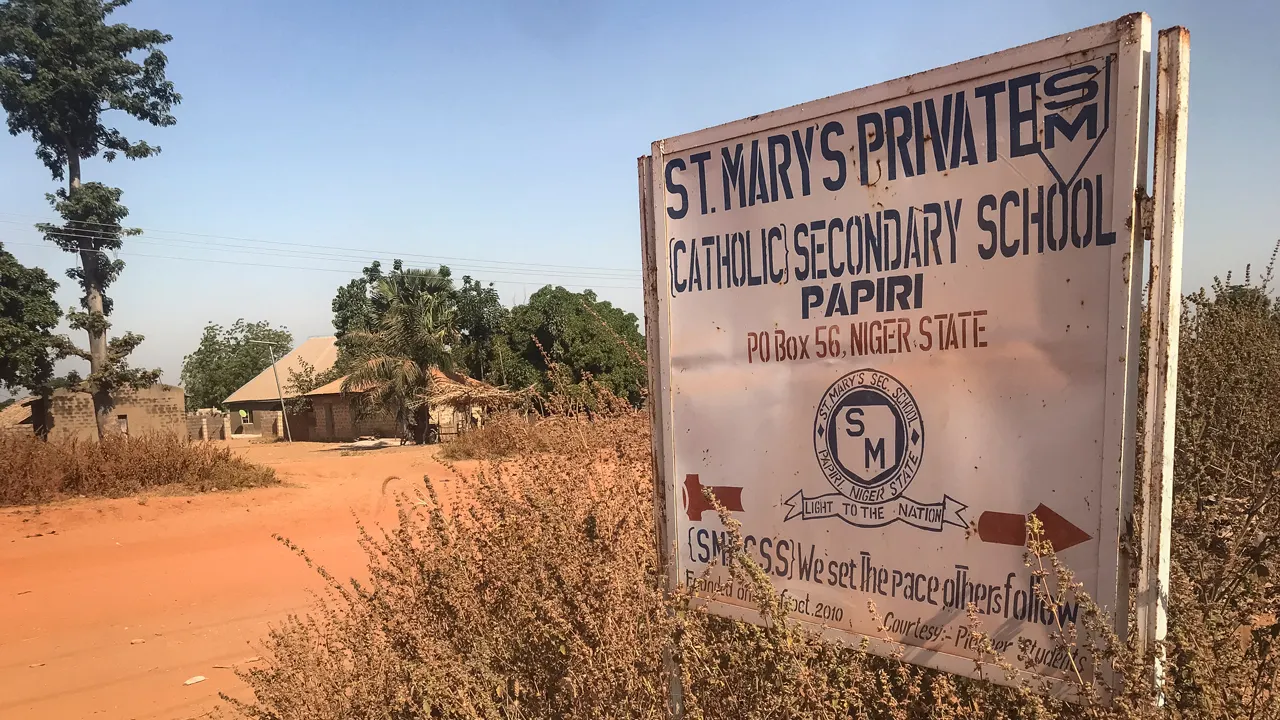
In a development that has brought immense relief to families and the international community alike, the Nigerian government has successfully secured the release of 100 schoolchildren who were abducted from St. Mary’s School in Niger state in late November. The announcement, made by local broadcaster Channels Television on Sunday, marks the end of a month-long ordeal that had intensified concerns about the safety of young students in the West African nation. The successful rescue operation represents a significant achievement for Nigerian authorities who have been grappling with a series of similar incidents in recent years, highlighting both the persistent security challenges in the country and the government’s continued efforts to address them.
The abduction of these children is not an isolated incident but rather part of a troubling pattern that has emerged in Nigeria, particularly in its northern regions. School kidnappings have become an increasingly common tactic employed by various armed groups, creating an atmosphere of fear and uncertainty that has disrupted education and normal life for countless families. Parents across affected regions face the agonizing choice between sending their children to school—potentially putting them at risk—or keeping them home and sacrificing their education. The psychological impact on the released children, their families, and communities will likely be profound and long-lasting, requiring careful attention and support in the coming months as they attempt to rebuild their lives and restore a sense of normalcy.
The broader context of this incident cannot be separated from the religious tensions that have plagued parts of Nigeria for years. President Donald Trump had previously designated Nigeria as a “country of particular concern” due to the persecution faced by Christians, many of whom have been targeted in attacks by extremist groups. This designation placed Nigeria alongside countries with severe religious freedom violations and highlighted the complex interplay of religious, ethnic, and political factors that contribute to insecurity in the country. While it remains unclear whether the recent abduction was religiously motivated, it occurs against this backdrop of sectarian tensions that continue to complicate Nigeria’s security landscape and international relationships.
Nigeria’s struggle with security extends beyond school kidnappings and religious persecution to encompass challenges posed by groups like Boko Haram and its offshoots, bandits operating in the northwest, and separatist movements in other regions. These multifaceted threats have stretched the country’s security forces thin and tested the government’s capacity to protect its citizens. The successful recovery of these 100 schoolchildren, while certainly cause for celebration, also serves as a reminder of the ongoing vigilance required to address the root causes of insecurity. Economic inequality, poor governance, corruption, and climate change impacts on traditional livelihoods all contribute to creating conditions where armed groups can recruit and operate with relative impunity in certain areas.
International organizations and foreign governments, including the United States, have offered various forms of support to Nigeria in its fight against insecurity, ranging from military training and equipment to development aid aimed at addressing underlying causes. The designation as a “country of particular concern” by the Trump administration represented one approach to applying pressure on Nigeria to improve religious freedom protections. However, effective solutions will ultimately need to be Nigerian-led and comprehensive, addressing not just the symptoms of violence but its complex causes. The successful rescue operation demonstrates that progress is possible, even as significant challenges remain in building lasting peace and security throughout the country.
As the released schoolchildren return to their families, their story becomes part of a larger narrative about resilience in the face of terror and the ongoing struggle to ensure that all Nigerian children can pursue their education without fear. Their ordeal and rescue highlight both the fragility of security in certain regions and the determination of communities and authorities to resist those who would use violence to achieve their aims. Moving forward, Nigeria faces the dual challenge of celebrating this victory while redoubling efforts to prevent similar incidents, protect vulnerable populations, and address the complex factors that enable such abductions to occur. The international community will be watching closely, hoping that this rescue marks not just the end of one crisis, but a step toward more comprehensive solutions to Nigeria’s security challenges.