





Nigeria Confirms Intelligence Sharing with U.S. for Christmas ISIS Strikes
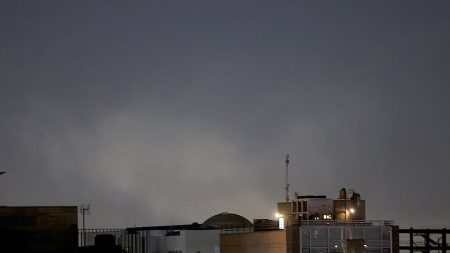
Nigeria’s Ministry of Foreign Affairs has officially acknowledged its security cooperation with the United States, which led to the Christmas night airstrikes against ISIS targets in the country. The ministry confirmed on Friday that this partnership involved intelligence sharing and strategic coordination that enabled “precision hits on terrorist targets.” In their statement, Nigerian officials emphasized that all counterterrorism efforts prioritize civilian protection, national unity, and upholding citizens’ rights regardless of faith or ethnicity, noting that terrorist violence against any community “remains an affront to Nigeria’s values and to international peace and security.”
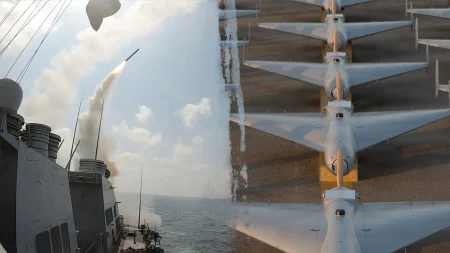
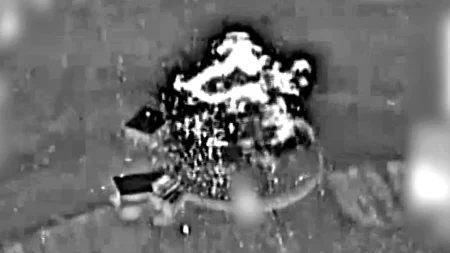
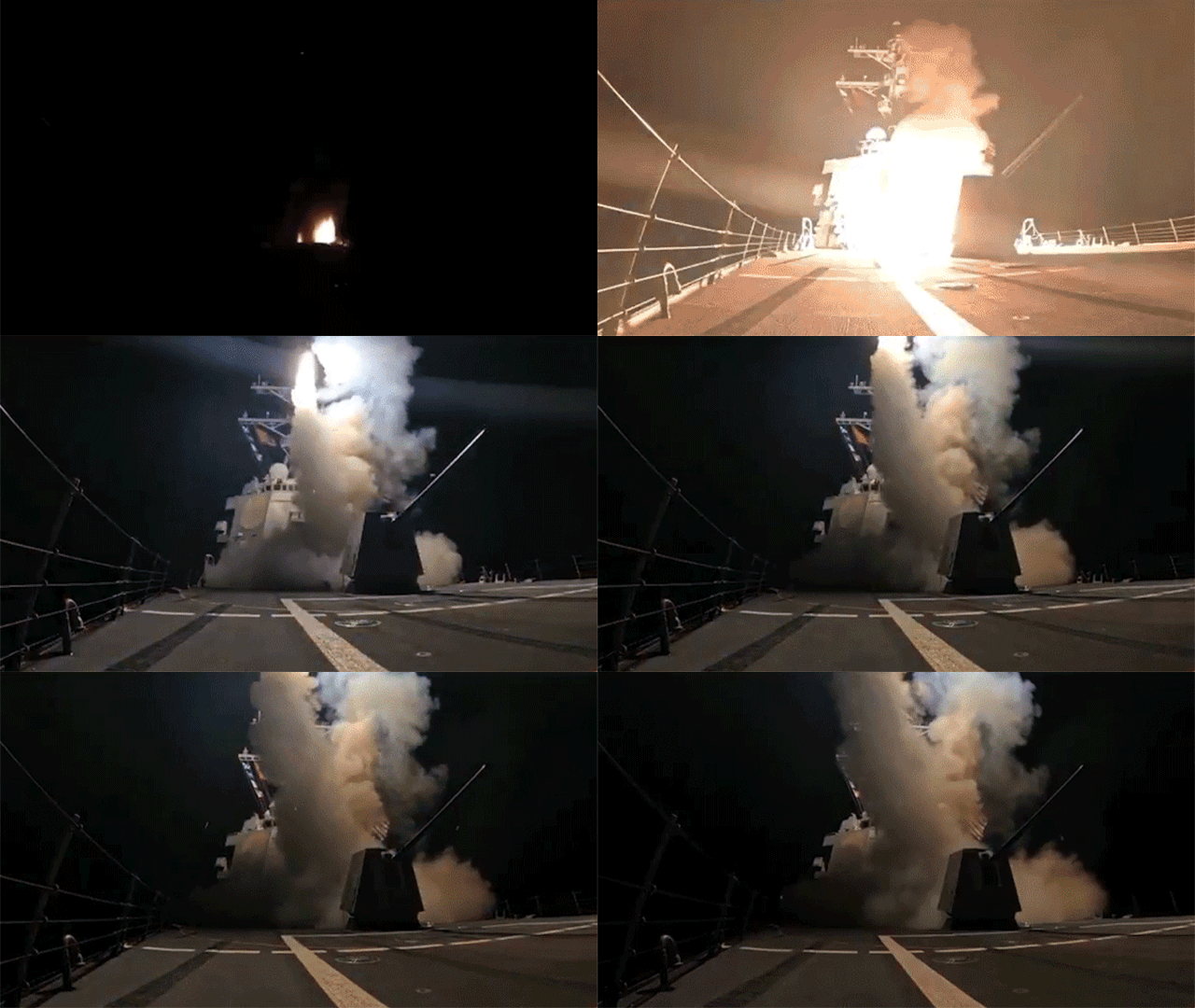
President Donald Trump announced the military action on Truth Social, framing it as a direct response to ISIS militants who have been “targeting and viciously killing, primarily, innocent Christians.” Trump stated he had previously warned these terrorist groups that continued violence against Christians would result in severe consequences. “The Department of War executed numerous perfect strikes, as only the United States is capable of doing,” he declared, adding, “Under my leadership, our Country will not allow Radical Islamic Terrorism to prosper.” The Christmas night announcement ended with a provocative message that included both holiday greetings and a warning of “many more” dead terrorists if attacks on Christians continued.
Christian charity Open Doors provided additional context about the airstrikes, reporting they targeted terrorist camps in Jabo, a rural community in Tambuwal Local Government Area of Sokoto State. According to their sources, Jabo is predominantly Fulani and has been identified as a haven for militants with connections to neighboring states like Kebbi and Zamfara. The organization noted there is no church presence in Jabo but expressed concern about possible retaliatory attacks following the U.S. military action. As a global organization supporting persecuted Christians, Open Doors has been monitoring the escalating violence against Christians in Nigeria.
U.S. Ambassador to the U.N. Mike Waltz, who has been vocal about the violence against Christians in Nigeria, praised the military action, stating the precision strikes demonstrated to Christians in Nigeria and worldwide that President Trump would “fight for them.” The strikes followed Trump’s warning last month that he would “do things in Nigeria that Nigeria is not going to be happy about” and “go into that now disgraced country guns-a-blazing” if the attacks on Christians did not cease. Secretary of War Pete Hegseth confirmed the operation fulfilled the president’s demand, writing on social media: “The President was clear last month: the killing of innocent Christians in Nigeria (and elsewhere) must end,” while also acknowledging the Nigerian government’s support and cooperation.
The military strikes came after a series of devastating attacks on Christian communities and institutions in Nigeria. In November, armed gunmen stormed the Christ Apostolic Church, killing two people and kidnapping dozens, with the 38 abducted worshipers being freed almost a week later. This incident was part of a larger pattern of violence, including an attack on a boarding school in Kebbi State where 25 girls were kidnapped and at least one staff member was killed. Although one girl escaped immediately and the remaining 24 were later rescued, the violence continued with another raid on Saint Mary’s School where more than 300 students and staff were abducted, with only 50 students managing to escape.
These escalating attacks on Christians and Christian institutions in Nigeria have sparked global outrage and drawn significant attention from the Trump administration. The Christmas night airstrikes represent a direct military response to this ongoing crisis, with both the U.S. and Nigerian governments now publicly acknowledging their cooperation in targeting ISIS militants. While the operation has been presented as a necessary measure to protect Christians from further violence, concerns remain about potential retaliation and the broader implications for security in the region. The situation highlights the complex intersection of religious persecution, terrorism, and international military intervention in West Africa.