





Netanyahu and Rubio Discuss Potential US Action as Iran Faces Historic Protests
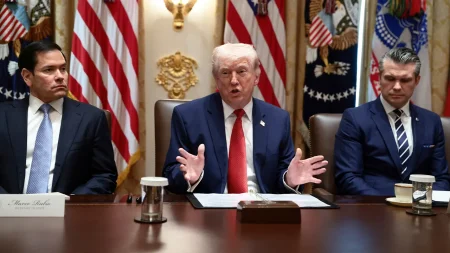
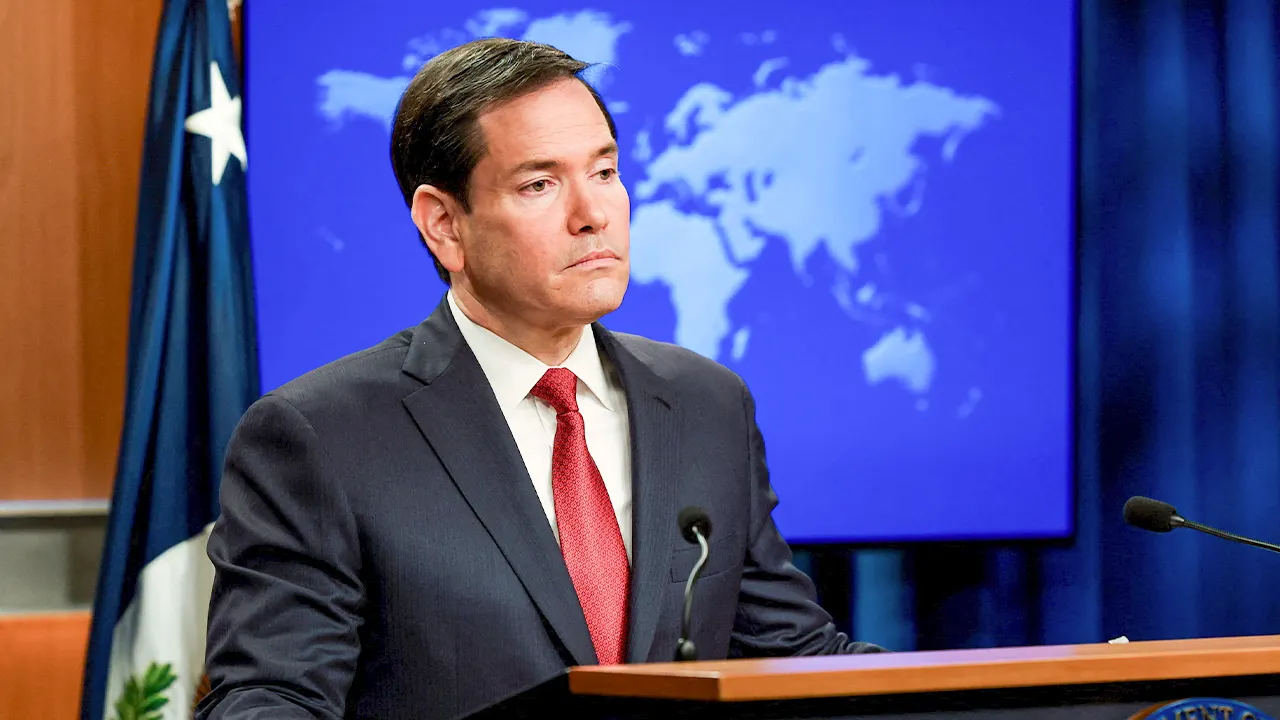
Israeli Prime Minister Benjamin Netanyahu and US Secretary of State Marco Rubio recently held a significant phone conversation regarding possible US military intervention in Iran, according to multiple Israeli sources cited by Reuters. This high-level discussion took place as Israel remains on “high alert,” watching closely as nationwide anti-regime demonstrations across Iran have persisted for over two weeks. The timing of this diplomatic exchange is particularly noteworthy as it coincides with what some observers describe as potentially the most serious challenge to the Iranian regime’s authority in years, with protests spreading to numerous cities across the country.
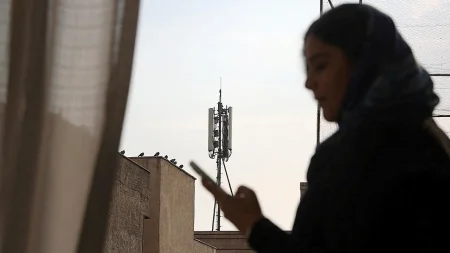
The Iranian government has responded to these growing demonstrations with increasingly desperate measures, including implementing an internet “blackout” that cybersecurity experts describe as a deliberate “kill switch.” This digital shutdown has dramatically reduced internet access across the country to a fraction of normal levels, which many believe is a calculated attempt to conceal potential human rights abuses by security forces and prevent protest coordination. Such tactics have been employed by authoritarian regimes worldwide when facing serious internal challenges, but the scale of Iran’s current information blockade has raised significant concerns among international observers. Despite these efforts, reports continue to emerge suggesting the protests are not only continuing but potentially gaining momentum in several regions.
The situation has escalated further with inflammatory rhetoric from Iranian officials. Parliament Speaker Mohammad Bagher Qalibaf issued a direct threat, declaring that both US military forces and Israel would be considered “legitimate targets” if America takes military action against Iran. This statement came during a dramatic scene in the Iranian parliament, where lawmakers rushed the central platform shouting “Death to America!” according to Associated Press reporting. Such inflammatory statements reflect the regime’s growing concern about both internal unrest and the possibility of external intervention, as it faces what many analysts describe as a multi-front crisis of legitimacy, economic stability, and international relations.
President Donald Trump has offered public support for the Iranian protesters, stating on his Truth Social platform that “Iran is looking at FREEDOM, perhaps like never before. The USA stands ready to help!!!” During a news conference, Trump further commented that “Iran’s in big trouble” and noted that protesters appear to be taking control of certain cities that were previously considered firmly under regime control. The former president’s remarks represent a continuation of his administration’s “maximum pressure” approach toward Iran, which sought to isolate the regime economically while expressing support for internal opposition movements. Trump’s statement that the US would respond “very, very hard where it hurts” if the regime employs mass violence against protesters suggests potential military options remain under consideration.
The current dynamics echo previous periods of unrest in Iran, such as the 2009 Green Movement and the 2019 protests triggered by fuel price increases, but with some notable differences. The geographic spread of the current demonstrations appears wider, with protests reported in traditionally conservative regions and smaller cities, not just in Tehran and other major urban centers. Additionally, the current protests come at a time when Iran’s economy is under enormous strain due to international sanctions, the COVID-19 pandemic’s lingering effects, and internal mismanagement. Many Iran analysts suggest this combination of factors has created a uniquely volatile situation, with the regime facing unprecedented challenges to its authority across multiple segments of Iranian society.
The Netanyahu-Rubio conversation highlights the complex international dimensions of the Iranian situation. Israel has long considered Iran’s nuclear program and regional influence as existential threats, while American policymakers have debated the most effective approach to containing Iranian ambitions. The current protests potentially present both countries with a strategic opportunity, but also carry significant risks of escalation. As the situation continues to evolve, key questions remain about the protest movement’s sustainability, the regime’s willingness to employ greater levels of violence, and the appropriate international response. While the United States and Israel appear to be coordinating their approaches, the ultimate outcome will likely depend on the courage and determination of the Iranian people themselves, who continue to risk their lives in pursuit of fundamental freedoms despite decades of repression.