






Netanyahu Joins Trump’s Board of Peace Despite Initial Concerns
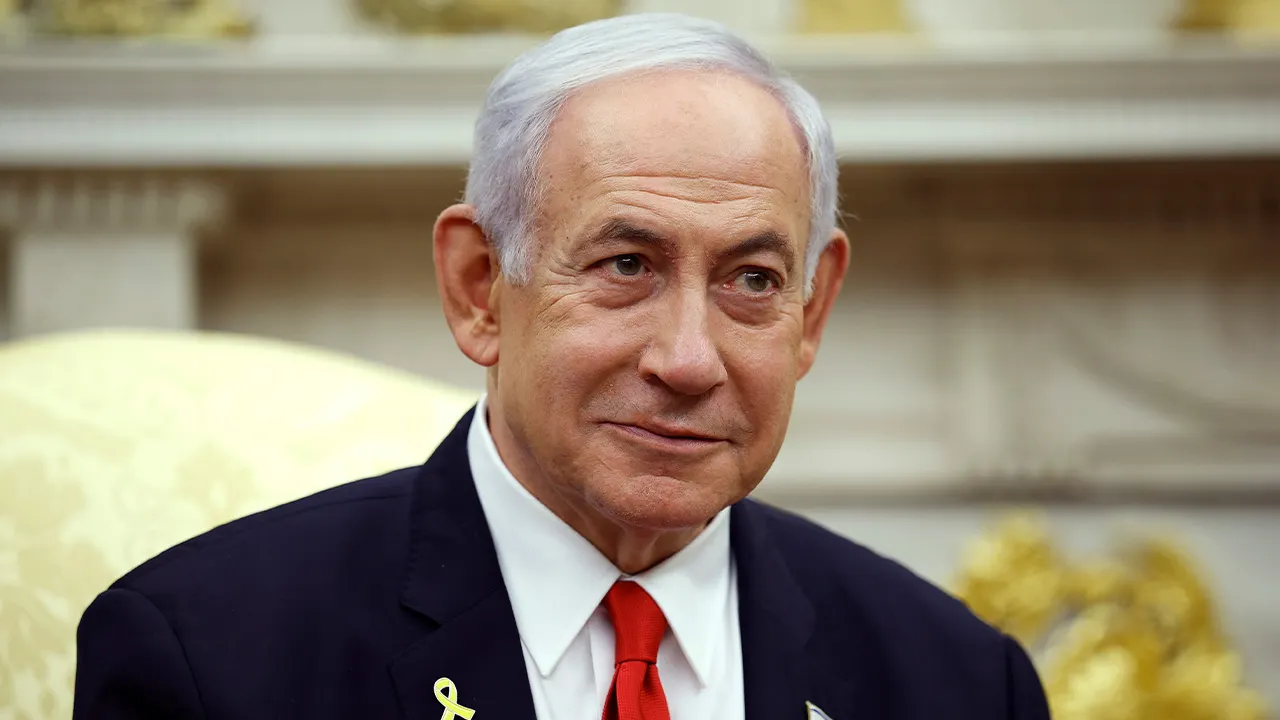
In a significant diplomatic development, Israeli Prime Minister Benjamin Netanyahu announced Wednesday his decision to join President Donald Trump’s newly established Board of Peace, despite his earlier reservations about the makeup of its executive committee. This announcement marks a notable shift in Netanyahu’s stance, as he had previously expressed concerns about the inclusion of certain officials in related governance bodies. The Israeli leader’s initial pushback centered on the appointment of Turkey’s Foreign Minister Hakan Fidan and Qatari diplomat Ali Al-Thawadi to the “Gaza Executive Board,” which Netanyahu’s office claimed was “not coordinated with Israel” and ran contrary to Israeli policy. However, his decision to join the broader Board of Peace signals a willingness to engage with Trump’s peace initiatives despite these earlier objections.
The timing of Netanyahu’s announcement coincides with Trump’s attendance at the World Economic Forum in Davos, Switzerland, where the president is expected to elaborate on the board’s structure and function. Reports indicate that Trump is planning a formal signing ceremony for the Gaza Board of Peace during his visit to Davos, underscoring the significance he places on this diplomatic initiative. When questioned about whether this new board might replace the United Nations, Trump offered a characteristically forthright assessment, stating “It might,” while criticizing the UN for never having “lived up to its potential.” Nevertheless, he acknowledged that the world body should continue to exist because of that unrealized potential, suggesting the new board might complement rather than entirely supplant existing international governance structures.
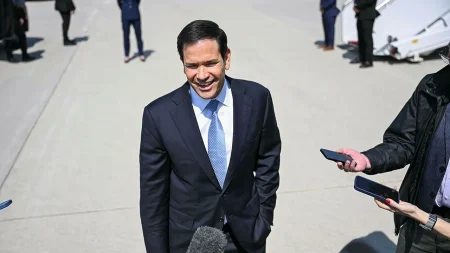
According to the White House, the Board of Peace will perform an “essential role” in implementing all twenty points of Trump’s Gaza plan. Its responsibilities will include providing strategic oversight, mobilizing international resources, and ensuring accountability as Gaza transitions “from conflict to peace and development.” This ambitious mandate reflects Trump’s vision for a more direct approach to Middle East peace-building, one that bypasses what he perceives as the bureaucratic inefficiencies of traditional international organizations. The board appears designed to bring together diverse international stakeholders under American leadership, with Trump himself serving as chair, supported by close advisors including Jared Kushner, Secretary of State Marco Rubio, U.S. special envoy Steve Witkoff, and billionaire Marc Rowan.
The international response to Trump’s initiative has been mixed, with invitations extended to a remarkably diverse array of nations including Belarus, China, Ukraine, India, Canada, Argentina, Jordan, Egypt, Hungary, and Vietnam, among others. Even Russian President Vladimir Putin received an invitation, which the Kremlin acknowledged while indicating they were “studying the details” and seeking clarity on “all the nuances” through diplomatic channels. This broad outreach demonstrates Trump’s desire to create a truly global coalition for his Middle East peace efforts, transcending traditional alliances and rivalries. However, not all invited nations have embraced the opportunity; France, for instance, has indicated it does not plan to join “at this stage,” according to an official close to President Emmanuel Macron, suggesting some wariness among traditional U.S. allies about the structure or objectives of the new board.
The creation of the Board of Peace represents a significant evolution in Trump’s approach to Middle East diplomacy, building on his administration’s earlier efforts such as the Abraham Accords. By establishing a new multinational body specifically focused on Gaza, Trump appears to be seeking both to address the immediate humanitarian crisis and to create a framework for longer-term stability in the region. The 20-point plan that the board will oversee presumably encompasses both immediate conflict resolution measures and longer-term development goals, though specific details about these points remain somewhat unclear from the available information. What is evident, however, is Trump’s desire to craft a more nimble alternative to what he views as cumbersome international institutions that have failed to resolve the long-standing conflicts in the region.
Netanyahu’s decision to join the Board of Peace, despite his initial reservations, reflects the complex calculations that regional leaders must make in response to Trump’s diplomatic initiatives. While concerns about the inclusion of representatives from Turkey and Qatar – nations often at odds with Israeli policies – prompted initial resistance, the broader opportunity to participate in shaping a new peace framework apparently outweighed these objections. For Trump, securing Netanyahu’s participation represents a significant diplomatic victory, lending Israeli legitimacy to his peace efforts at a critical juncture. As the Board of Peace takes shape in the coming days and weeks, its ability to bridge deep-seated regional divisions and implement concrete measures toward peace will determine whether it becomes a transformative force in Middle East diplomacy or joins the long list of well-intentioned but ultimately ineffective peace initiatives in the region’s troubled history.