





Imagine this: You’ve got a busy day ahead, maybe rushing to work or walking the dog, and now you can actually listen to those in-depth Fox News articles instead of just reading them. It’s like having the news commentator in your ear, making headlines come alive while you multitask. In this piece, a retired U.S. Army general shares his take on the ongoing U.S. and Israeli operations against Iran, painting a picture of why toppling its regime might be an uphill battle.
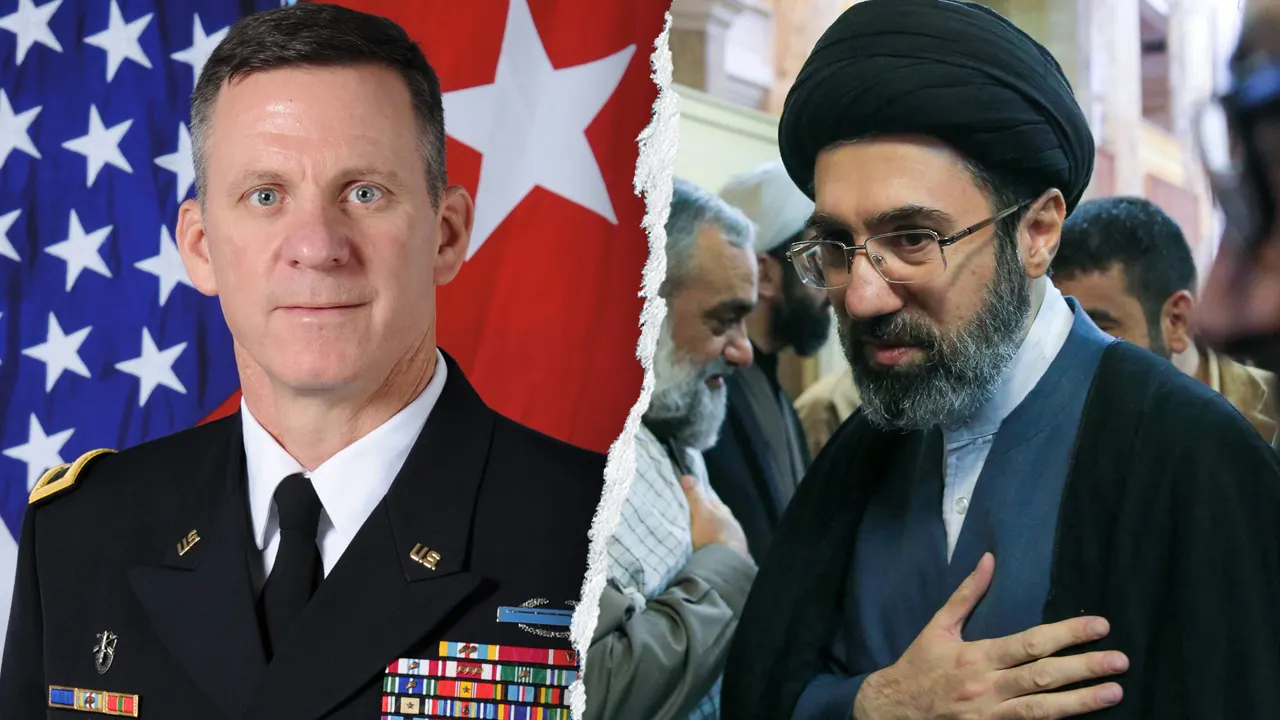
Former Lt. Gen. Mark Schwartz, a seasoned veteran, tells Israel Hayom that even with joint missions like Operation Epic Fury (U.S.) and Operation Roaring Lion (Israel) entering their 20th day, neither side is likely to fully dismantle Iran’s leadership. He points out the deep bench of religious figures—dozens or hundreds—who could step in if the Supreme Leader, the Ayatollah, were taken out. It’s not just about one man; the regime’s got layers, like an onion you can’t peel completely.
Schwartz isn’t some armchair observer; he’s a career Green Beret with 33 years in the Army, chairing the advisory board for The National Special Forces Green Beret Memorial. His resume includes stints across the Middle East, Europe, and North Africa, working on strategic plans with NATO, the UN, the EU, and USAID. You can picture him as the guy who’s been in the trenches, offering wisdom from real-world experience rather than just theory.
Meanwhile, the Pentagon is asking Congress for at least $200 billion to fuel this war effort against Iran, highlighting the scale of the commitment. The campaigns have already led to significant shifts, with ripple effects from events like Hamas’s October 7, 2023, attack and the short war last year. Gabhard notes it’s weakening Iran and its proxies, but warns of a potential years-long rebuild if the regime survives.
Director of National Intelligence Tulsi Gabbard chips in with her own forecast, predicting easier recruitment for Iranian forces and proxy rescuers if Epic Fury doesn’t finish the job. She sees these operations as catalysts for regional change, building on past conflicts to challenge Iran’s sway. It’s a tense game of chess, where every move could alter the board.
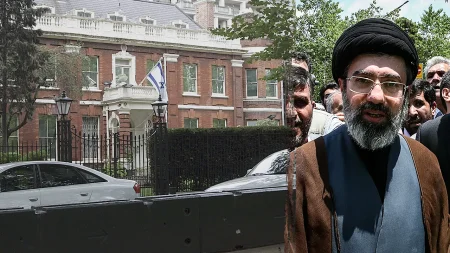
The irony hits hard: The campaign has reportedly claimed the life of former Supreme Leader Ayatollah Ali Khamenei, paving the way for his son, Mojtaba Khamenei, to take over. But sources suggest Mojtaba is struggling, not fully in control—the regime’s “misfunctioning” or fractured from the inside. Schwartz’s prediction feels spot-on in this volatile mix, reminding us that change in places like Iran doesn’t come easily.