



NATO Chief Warns Alliance: Russia’s Threat Looms Larger Than We Think
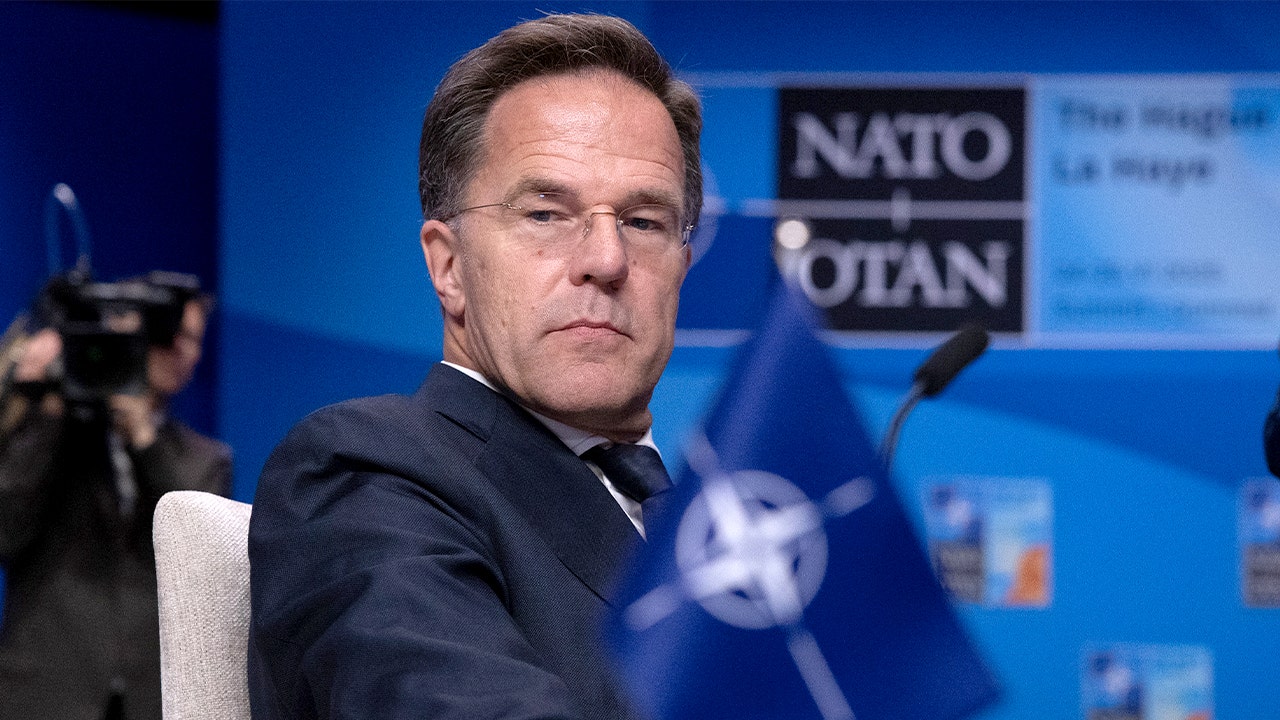
In a powerful address that echoed the gravity of Cold War tensions, NATO Secretary General Mark Rutte delivered a stark warning to alliance members: Russia has its sights set on NATO, and the threat is more imminent than many realize. Speaking at the Bavarian State Representation in Germany, Rutte’s message was unambiguous and urgent, drawing parallels between today’s geopolitical landscape and the dark days of Soviet oppression. “The dark forces of oppression are on the march again,” he declared, emphasizing that NATO must act decisively to “stop a war before it starts.” His blunt assessment—”We are Russia’s next target”—served as a wake-up call to those who might still view Russia’s aggression against Ukraine as a distant conflict with limited implications for Western security.
The timing of Rutte’s warning comes against a backdrop of heightened commitment by NATO members to increase defense spending to 5% of GDP by 2035, following persistent pressure from former and potentially future U.S. President Donald Trump. Yet Rutte cautioned that this pledge should not be cause for celebration while Ukraine continues to face relentless Russian bombardment. “I fear that too many are quietly complacent. Too many don’t feel the urgency,” he observed, pushing back against the dangerous notion that time is on NATO’s side. The urgency in his voice reflected a growing concern among security experts that Western democracies may be sleepwalking toward a confrontation they are unprepared to handle.
Rutte’s assessment was particularly alarming in its timeline, suggesting that Moscow could be prepared to use military force against NATO within just five years. This isn’t mere speculation but a calculated warning from an alliance leader with access to intelligence assessments and strategic forecasts. His reference to President Reagan’s famous “evil empire” speech drew a direct line between Soviet expansionism and Putin’s current ambitions: “Today, President Putin is in the empire building business again.” The message was clear—Russia’s aggression against Ukraine is not an isolated incident but part of a broader strategy to challenge the post-Cold War security architecture that has maintained relative peace in Europe for decades.
The NATO chief’s concerns aren’t theoretical. Recent months have seen an escalation in Russia’s provocative actions toward NATO countries, with Poland accusing Russian secret services of orchestrating a railway explosion on the Warsaw-Lublin line in November. Polish Prime Minister Donald Tusk revealed that investigations had determined Russian intelligence “commissioned the blast” and recruited Ukrainians to carry it out. This sabotage attempt follows other alarming security incidents, including Russian drones entering Polish airspace and MiG-31 fighter jets violating Estonian territory before being intercepted by NATO aircraft. These incidents represent a dangerous pattern of testing NATO’s boundaries and resolve, while remaining below the threshold that would trigger an Article 5 collective defense response.
Rutte’s call for increased defense spending and production reflects a growing realization that deterrence requires not just political will but tangible military capabilities. For decades, European NATO members have relied heavily on American security guarantees while maintaining defense budgets well below agreed-upon targets. This imbalance has created vulnerabilities that Russia appears increasingly willing to exploit. The warning that NATO’s armed forces must have the resources needed to protect their homelands isn’t just about military readiness—it’s about credibility. A deterrent is only effective if an adversary believes it will be used, and Russia’s calculations may be influenced by perceptions of NATO’s resolve and capability.
The urgency of Rutte’s message stands in stark contrast to the relative calm that has characterized European security discussions since the end of the Cold War. His invocation of the Berlin Wall’s fall served as both a reminder of what was achieved through Western unity and a warning about what could be lost through complacency. As Russia continues its “brazen, reckless and ruthless” behavior toward NATO and Ukraine, the alliance faces its most serious test since its founding. The question now is whether NATO members will heed Rutte’s warning and take the necessary steps to bolster their collective defense, or whether the complacency he identified will prevail until a crisis forces their hand. As history has repeatedly shown, the cost of preparation is always less than the cost of conflict—a lesson NATO can ill afford to relearn through experience.