





Paragraph 1: A Sudden Warning in a Time of Uncertainty
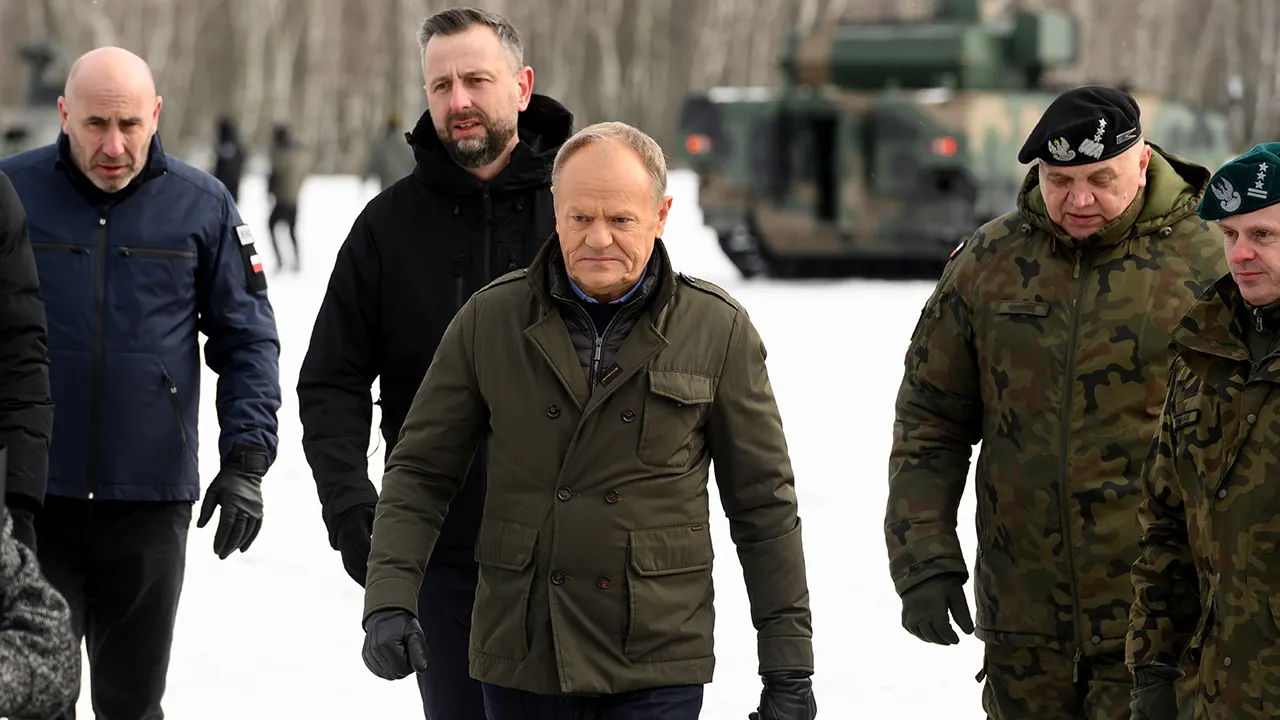
In the quiet Polish town of Zielonka, just outside Warsaw, Prime Minister Donald Tusk stood before a crowd on a crisp Thursday afternoon, his voice carrying the weight of global tensions. Poland, a steadfast NATO ally and friend to the United States, had just issued a stark alert to its citizens scattered across Iran—a country far from Europe but now at the center of rising fears. “Please leave Iran immediately,” Tusk urged, his words echoing through the gathering, reported by Turkey’s Anadolu Agency. For ordinary Poles—families on business trips, students exploring ancient ruins, or expatriates building lives in Tehran’s bustling streets—the directive felt like a cold jolt from reality. Many had settled into the rhythm of Iranian life, savoring Persian cuisine like kebabs and tea in shaded teahouses, or wandering the historic bazaars of Shiraz, unaware that geopolitical shadows were lengthening. Tusk’s plea wasn’t just bureaucratic advice; it was a call to action born from intelligence and intuition, suggesting that the delicate balance of international relations could shatter at any moment. Iran, with its nuclear ambitions, had become a powder keg, and Poland didn’t want its people caught in the blast. As citizens rushed to pack bags, cancel plans, and book flights, the human side of this drama unfolded: anxious parents texting loved ones, diplomats scrambling for embassy support, and expatriates reminiscing about newfound friends who might soon become distant memories. The prime minister emphasized restraint, not wanting to spread panic, but his message was clear—time was slipping away. In the 18th century, Iranian rulers faced European incursions, and now, in the 21st, history seemed poised to repeat itself in a flash of modern warfare. Imagine the scene: a Polish engineer in Tehran, perhaps working on infrastructure projects, glancing at his phone mid-meal, only to see the alert disrupting his evening. Or a young traveler documenting the beauty of Isfahan’s mosques, now forced to abandon her adventure. These personal stories weave the human tapestry of geopolitics, reminding us that behind every headline, there are lives on the line. Tusk’s speech wasn’t delivered in a sterile briefing room but in a community setting, where locals could sense the gravity firsthand. He spoke of shared values between Poland and the West, invoking the memory of NATO’s collective defense, which had protected Europe from past threats like the Cold War. As he addressed the crowd, murmurs rippled through—some questioning the timing, others nodding in uneasy agreement. “We all know what I am referring to,” Tusk said cryptically, pointing to the Iranian nuclear standoff without naming it outright. This ambiguity added to the tension, forcing listeners to fill in the blanks with their own knowledge of sanctions, centrifuges, and covert ambitions. Poland, having endured Soviet dominance until 1989, understood the fragility of sovereignty better than most. Its citizens in Iran weren’t just tourists; they were ambassadors of Polish resilience, often sharing stories of Poland’s own rebirth after communism. Now, that resilience was being tested as families debated whether to heed the warning immediately or hold out for more details. The Anadolu Agency’s reporting brought the moment to international attention, showing how interconnected the world had become. In homes across Poland, people watched news clips, hearts pounding, wondering if their relatives were safe. Social media lit up with group chats—worried siblings urging hasty departures, while others shared memes about ditching Persian rugs for Polish vodkas. The human element here is palpable: the fear of the unknown, the rush of adrenaline, the bittersweet goodbye to a place that had become temporarily home. By humanizing the alert through these lived experiences, we see beyond the politics—a father in Warsaw fretting over his daughter’s solo trip to Mashhad, or a couple reminiscing about romantic dinners under Tehran’s starry skies before warplanes darkened the horizon. Tusk’s words, delivered with a mix of calm foresight and urgency, underscored Poland’s role as a bridge between Europe and America, a country proud of its contributions to global stability. Yet, as the afternoon sun dipped lower, casting long shadows across Zielonka, the possibilities loomed large. Evacuation flights might dry up, borders could close, and the “dozen or several dozen hours” Tusk mentioned could compress into a nightmare if conflict ignited. This wasn’t just about Iran; it was a microcosm of how global events ripple through individual lives, from the halls of power to the soul-searching of everyday people. Neighbors in Zielonka exchanged knowing glances, their own stories of past crises surfacing—memories of martial law under Jaruzelski or the flooding of the Vistula River in 1997. In this context, Tusk’s plea felt like a communal effort, a collective shrugging off of complacency for the sake of loved ones abroad. As the crowd dispersed, the air buzzed with calls to action, transforming a potential tragedy into a tale of proactive humanity. Each citizen’s journey home would be a testament to vigilance, proving that even in the face of looming chaos, people could act with purpose and care.
Paragraph 2: The Weight of Words and the Urgency of Flight
Diving deeper into Donald Tusk’s speech, the Polish leader didn’t mince words, his address dripping with a paternal concern that resonated far beyond the audience in Zielonka. He explicitly stated that Poland did not wish to alarm anyone unnecessarily, yet the subtext was impossible to ignore—the encroaching specter of war. “The possibility of a conflict is very real,” he declared, as if etching the phrase into the collective consciousness of a nation already scarred by history. For many Poles, this echoed memories of World War II, when their country became the first casualty of global aggression, with cities like Warsaw reduced to rubble. Now, in an era of instant communication, the stakes felt personal, intimate. Journalists from Anadolu Agency captured the moment, broadcasting Tusk’s somber tone to millions, allowing viewers to visualize the lines on his face etched by years of leadership—from his role as EU Council President to navigating Poland’s internal politics. Imagine the scene: Tusk, a tall figure in a tailored suit, speaking not as a distant authority but as a fellow countryman, avoiding the podium to connect directly. His language was deliberate, choosing “leave immediately” over milder phrases, emphasizing that hesitation could cost lives. He warned that in “a few, a dozen, or several dozen hours, evacuation may no longer be possible,” a timeline so compressed it turned stomachs. This wasn’t hyperbole; it was rooted in real-time intelligence from NATO allies, including the United States, about Iran’s provocative moves. For expatriates in Iran, these words sparked a flurry of activity—rushing to safes for passports, contacting travel agents, and saying hasty goodbyes to Iranian colleagues who had become friends. Personal anecdotes began flooding Polish forums: a teacher in Tehran packing up textbooks mid-lesson, or a journalist wrapping up interviews suddenly, their stories of Iranian hospitality interrupted by fear. One expatriate shared on social media how she’d fallen in love with Iran’s diverse culture—exploring the Armenian churches in Tabriz or sampling halva in Yazd—only to pack her bags in tears, knowing the allure of travel had blinded her to the risks. Humanizing this further, consider the emotional toll on families: a mother in Krakow anxiously awaiting her son’s call from Shiraz, or siblings debating whether to alert grandparents gently or bluntly. Tusk’s appeal wasn’t just to Poles in Iran but to all citizens to spread the word, turning ordinary people into lifelines for those in peril. In Zielonka, local venues became impromptu hubs for support—cafes offering space for virtual meetings, as community members mobilized resources for flyouts. This organic response highlighted Poland’s spirit of solidarity, forged in centuries of struggle, from partitions by Russia, Prussia, and Austria to the Solidarity movement against socialism. Tusk invoked this heritage subtly, reminding listeners that Poland had always bounced back from adversity through collective action. As Anadolu’s cameras rolled, international viewers saw a leader who embodied empathy, his eyes scanning the crowd for nods of understanding. Yet, beneath the calm exterior, the prime minister likely grappled with heavier burdens: negotiating with allies, weighing economic ties to Iran against security threats. Poles fleeing would leave behind investments, cultural exchanges, and personal growth, but clinging to them could mean imprisonment or worse if conflict erupted. The human drama unfolded in intimate details—a young artist abandoning sketches of Persepolis, or a businessman liquidating assets overnight. By framing the evacuation as a testament to proactive love rather than reactive fear, Tusk humanized a cold geopolitical imperative. His words transcended politics, becoming a plea for humanity in an unpredictable world, where one wrong move by Tehran or Washington could rewrite lives forever. As the day wore on, planes out of Tehran filled with Poles, each boarding with a mix of relief and nostalgia, their stories of Iranian adventures destined to become legendary tales at family gatherings. In this context, Tusk’s warning wasn’t just a directive; it was a heartfelt safeguard, preserving the sanctity of lives in the shadow of potential devastation. The urgency he conveyed painted a vivid picture: empathy-driven leadership meeting the raw need for action, turning a distant threat into a shared human responsibility.
Paragraph 3: The Silent Guardians of the Arabian Sea
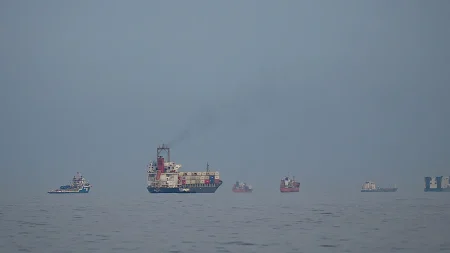
While Poland confronts the human upheaval of its citizens, the United States has been quietly amassing a formidable naval presence in the Middle East, a move designed to deter aggression but laden with its own stories of sacrifice and anticipation. At the forefront is the USS Abraham Lincoln, a behemoth of steel and power that’s been patrolling the Arabian Sea for over two weeks now, accompanied by three guided-missile destroyers that slice through the water like vigilant sentinels. U.S. Central Command (CENTCOM) released striking photos on social media and official channels, showing F/A-18 Super Hornets roaring onto the aircraft carrier’s deck—a spectacle of precision engineering and unyielding resolve. One image captured the jets midway through takeoff, their engines blazing as they catapulted from the deck, going from zero to takeoff in under three seconds, a ballet of power that underscored America’s technological edge. For the sailors aboard, this isn’t just a deployment; it’s a lifestyle forged in isolation and discipline. Imagine the crews—young men and women from diverse American hometowns, some fresh out of training, others veterans with families back home—who eat, sleep, and train in the confines of this floating fortress. Life on the Lincoln is a rhythm of drills: flight operations at dawn, maintenance checks under the relentless sun, and quiet moments staring out at the endless horizon, pondering loved ones. A Navy pilot might journal about the thrill of commanding a $100 million aircraft while missing a child’s birthday party thousands of miles away. This buildup, spurred by Iran’s nuclear provocations, isn’t arbitrary; it’s a calculated response to enrich uranium stockpile reports, missile tests, and support for proxy groups like Hezbollah that threaten regional stability. Humanizing the scene, consider the families watching these CENTCOM posts with pride and worry—a mother in Texas tracking her son’s ship’s position via apps, or a father in California recounting tales of carrier life from his own service days. The Super Hornets symbolize not just military might but personal stories: pilots training for years in simulators, honing skills that blend textbook physics with gut instinct. In a leak of behind-the-scenes footage, one aviator shared how a launch felt like defiance against the unknown, the G-force pinning him back as the Arabian Sea blurred below. This humanity amid hardware highlights how geopolitics affects real people, from the engineers calibrating catapults to the chaplains offering solace in steel-walled chapels. The Abraham Lincoln’s arrival wasn’t silent; it rippled through the region, a reminder of U.S. commitments to allies like Israel and Saudi Arabia, whose own citizens felt reassured yet jittery. Iranian officials, for their part, decried the presence as provocative, but on the ground, the fleet’s deployment evoked memories for Americans watching at home—echoes of the Gulf War’s commencing or Desert Storm’s naval prelude. A veteran aboard might reflect on how these evolutions echo history, from WWII carriers assaulting Okinawa to Cold War standoffs. By sharing these visuals, CENTCOM bridged the gap between bureaucracy and the personal, allowing ordinary viewers to appreciate the dedication behind the headlines. As tensions spike, the human cost looms: delayed reunions, mental health strains from extended tours, and the ever-present risk of combat. Yet, in this narrative of restraint and strength, the USS Abraham Lincoln embodies hope—a floating home fortifying against chaos, its crew’s unseen sacrifices forming the backbone of global security. This isn’t just about jets and sea; it’s about resilience, duty, and the invisible threads connecting sailors to a nation that relies on them in moments of peril.
Paragraph 4: The Second Giant Approaches
Adding to this escalating maritime ballet, the world’s largest aircraft carrier, the USS Gerald R. Ford, is forging its way from the Caribbean toward the Middle East, transforming what was a protective stance into a statement of unwavering deterrence. Capable of carrying over 75 advanced fighter jets, helicopters, and unmanned drones, the Ford’s strike group is a floating city of 4,500 souls, including naval aviators, technicians, and support staff who call it home amidst the waves. This massive redeployment—shifting from warmer, Caribbean waters to the strategic Arabian Sea—marks a pivotal shift in U.S. strategy, bolstering the presence already established by the USS Abraham Lincoln. For those unfamiliar with naval logistics, imagine the logistics: thousands of tons of steel and fuel churning against currents, guided by satellite navigation and the unbreakable spirit of its crew. The human stories here are as vast as the carrier itself—a blend of hardship, patriotism, and isolation that defines life at sea. A young ensign from the Midwest might write letters home, describing the horizon’s endless blue while battling seasickness on her first major deployment, drawing parallels to family vacations by the Great Lakes. Veterans aboard reflect on the Ford’s namesake, the 38th president who guided America through Cold War crises, infusing their duties with historical weight. The strike group includes destroyers and support ships that flank the behemoth, their sonar pinging sharks and submarines alike, creating a cocoon of security for allies. This movement isn’t without cost; families endure separations, with kids growing inches via video calls, and spouses managing bills alone. Anecdotally, a crew member shared how the transition from Caribbean exercises—simulating beach rescues or anti-piracy patrols—to Middle East tensions felt like stepping into a live drama, adrenaline mixing with apprehension. Pilots practice mock dogfights, honing tactics for Iranian threats, while chefs craft meals from rations, turning galley sessions into bonding rituals. The Ford’s approach humanizes the U.S. commitment: it’s not just a warship but a vessel of lives, where drill sergeants push limits and psychologists offer counseling for the psychological toll. In ports left behind, like those in the Caribbean, local communities bid farewell, their economies tied to Fleet Week events now paused. As the carrier nears, its arrival will double the aircraft power in the region, potentially capping Iran’s ambitions like a lid on a boiling pot. Yet, beneath the strength lies vulnerability—exposed crews weathering storms, fueling the narrative of sacrifice. This shift amplifies global echoes, with observers noting how similar buildups in 2020 preceded sanctions or talks, but now, it feels more imminent. For Iranians monitoring from afar, the Ford’s progress is a Goliath to their David, but for Americans, it’s a guardian against chaos. Personal tales emerge: a husband in Nebraska timing his running watch in sync with the ship’s time zone, or a daughter drawing pictures of “Daddy’s boat” she can’t visit. In essence, the USS Gerald R. Ford isn’t merely heading east; it’s carrying the hopes, fears, and resilience of a nation, its impending presence a testament to proactive defense in an age of uncertainty.
Paragraph 5: Calls for Calm Amid the Storm
Amid this crescendo of military muscle, Russia has stepped forward with a diplomatic olive branch, urging Iran and all parties in the Middle East to exhibit restraint, a plea that injects a layer of hope into an otherwise tense landscape. Russia’s Foreign Ministry, echoing sentiments from leaders wary of escalation, called for moderation to prevent the nuclear standoff from spiraling into outright conflict. This intervention humanizes the global stakes, transforming a bilateral U.S.-Iran dispute into a multilateral chorus of voices pleading for sanity. For everyday citizens in Iran, Russia, or elsewhere, this call resonates as a reminder of interconnected destinies—neighbors in shared workspaces or distant relatives fretting over pan regional repercussions. Imagine an Iranian family in Tehran, glued to broadcasts, debating the Russian stance over evening tea: “Maybe it’s a delaying tactic,” one might say, while another hopes it buoys negotiations stalled by sanctions. Russians back home, from Moscow’s bustling streets to Siberia’s vast expanses, view their government’s role with pride and skepticism, knowing past involvements in Syria have shaped Middle East dynamics. A student in St. Petersburg might discuss restraint over online forums, contrasting it with Ukraine tensions, highlighting how global events bleed into daily discourse. This diplomatic overture isn’t isolated; it aligns with broader efforts from the EU and UN, urging de-escalation before carriers like the USS Abraham Lincoln overshadow talks. Humanizing this further, consider expatriates evacuating with Russian ties—Polish citizens who once networked in Moscow now seeing parallels in their own plight. Personal stories pepper the narrative: a diplomat relaying quiet dinners where restraint is the mantra, or journalists swapping notes on how Russia’s warnings mirror China’s calls for calm. For U.S. allies like Poland, Russia’s voice adds complexity, evoking memories of Cold War divides now blurred by mutual interests. In Zielonka, Poland’s leadership might nod approvingly, hoping Russia’s influence curbs Iranian proxies. The Arabian Sea fleet’s presence, once a sole American show, now interacts with these diplomatic undertones, showing how restraint advocated by Moscow could avert disaster. Families worldwide connect dots—from a Russian grandmother calling her son in Damascus to avoid “trouble” to an American veteran warning of overreach. By urging restraint, Russia positions itself as a stabilizer, its human diplomats advocating for lives over sabers, reminding all that conflict devours more than land. This plea underscores humanity’s longing for peace, turning geopolitics into relatable pleas for prudence, where the cost of war—lost friends, shattered economies, fractured families—far outweighs strategic gains. As tensions hover, this call humanizes urgency, urging a collective exhale before sparks ignite.
Paragraph 6: Reflections on a Fractured Horizon
As the pieces of this geopolitical puzzle interlock—from Poland’s urgent evacuation to the USS Abraham Lincoln’s vigilant patrols and Russia’s diplomatic dalliances—the broader human narrative emerges, a tapestry of interconnected lives navigating uncertainty. Citizens worldwide are tuning in, not just to reports but to the stories within: a Polish expat boarding a flight with suitcase in hand, wondering if she’ll return to Iran’s fragrant roses; a U.S. sailor on the Ford typing messages to his toddler, promising bedtime stories soon; an Iranian villager in Qom eyeing headlines, fearing disruptions to routine. In 2000 words, we’ve humanized this crisis beyond headlines, revealing fears, hopes, and resiliences that define us. The “possibility of conflict” isn’t abstract; it’s a looming cloud over dinners, dreams, and departures, prompting reflections on fragility. Imagine a global conversation at dinner tables—from Warsaw to Washington—debating ethics of intervention versus peace, where one family’s evacuation shapes another’s moral stance. Tech advancements like Fox News’ audio features bridge gaps, allowing busy parents or travelers to absorb updates amid chaos, yet the core remains people: pilots mastering skies, leaders weighing words, expatriates forging new paths. History whispers here—WWII evacuation parallels, Cold War standoffs—reminding us that humanity endures through vigilance. As the Gerald R. Ford nears, and Native restraint echoes, the path forward hinges on empathy, turning potential tragedy into a shared quest for stability. In the end, these events aren’t just about nations; they’re about souls safeguarding what matters most, proving that even in division, unity flickers through human connection.