


Venezuela’s Loyalist Crackdown in the Wake of Maduro’s Capture
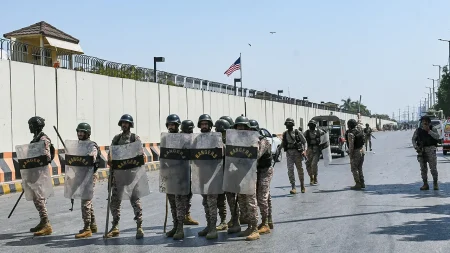
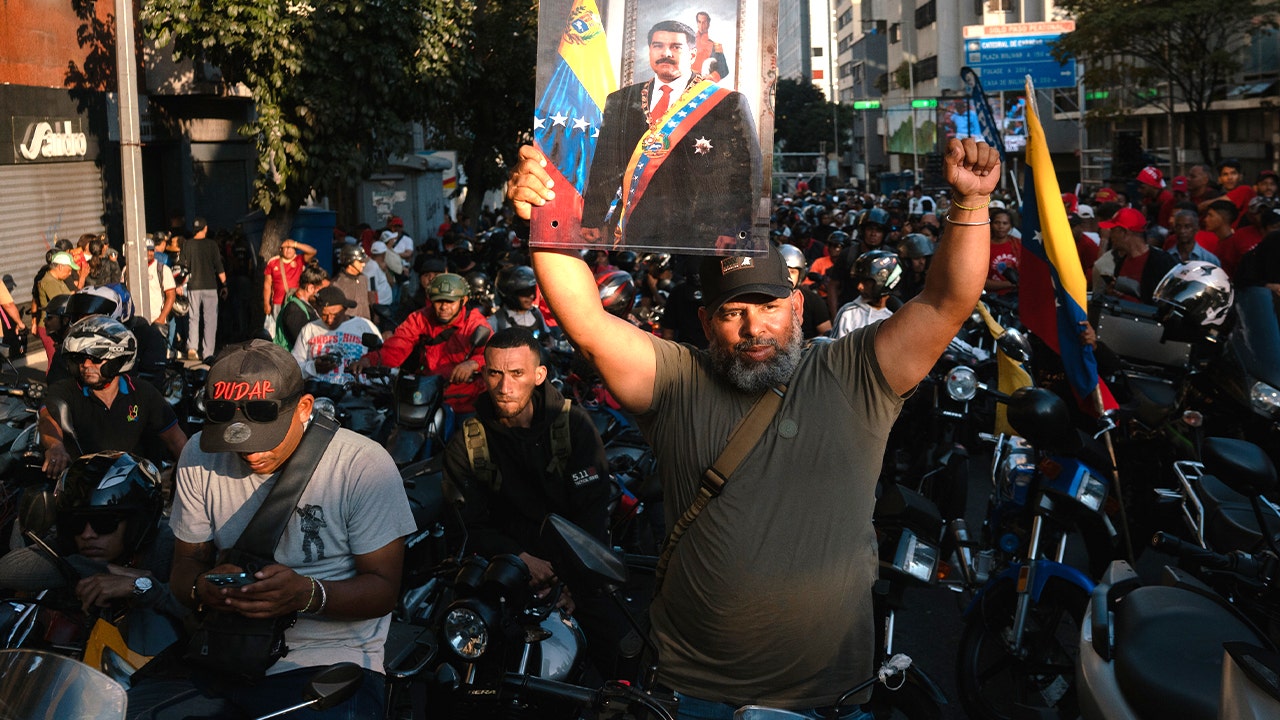
In the chaotic aftermath of Nicolás Maduro’s capture by United States forces, Venezuela finds itself in a precarious position as paramilitary groups loyal to the former leader have launched an aggressive campaign to maintain control. These armed civilian groups, known locally as “colectivos,” have begun conducting intrusive searches and establishing checkpoints throughout the country, targeting anyone suspected of supporting Maduro’s removal from power. These motorcycle-riding civilians, often armed with assault rifles, represent the physical manifestation of the regime’s determination to crush dissent during this period of uncertainty. For ordinary Venezuelans, the situation has created an atmosphere of fear, with many reportedly afraid to leave their homes out of concern that armed forces might seize their phones and search for any evidence of opposition to the regime—a simple text message or social media post could potentially lead to severe consequences.
The media landscape has also fallen victim to this intensifying crackdown, with the National Union of Press Workers of Venezuela reporting that fourteen journalists were briefly detained during Monday’s induction of Vice President Delcy Rodríguez as the country’s interim leader. This attack on press freedom underscores the regime’s desperate attempt to control the narrative during this transitional period. The sentiment on the ground reflects deep uncertainty about Venezuela’s future. As Oswaldo, a 69-year-old shop owner, told The Telegraph, “The future is uncertain, the Colectivos have weapons, the Colombian guerrilla is already here in Venezuela, so we don’t know what’s going to happen, time will tell.” This sentiment captures the apprehension felt by many Venezuelans who have endured years of political turmoil, economic collapse, and humanitarian crisis under Maduro’s leadership, only to now face a potentially volatile transition period dominated by armed loyalists.
Behind this coordinated crackdown stands Diosdado Cabello, Maduro’s close ally who now serves as the Minister of Interior, Justice and Peace. Cabello, who has a $25 million bounty from the U.S. State Department largely for his alleged involvement in corruption and drug trafficking, is widely known for his role in suppressing political opposition in Venezuela. The colectivos, which function as an unofficial arm of state repression, are largely under his control, making him perhaps the most powerful figure in Venezuela following Maduro’s capture. Venezuelan military strategist Jose Garcia highlighted this point to Reuters, noting that “The focus is now on Diosdado Cabello because he is the most ideological, violent and unpredictable element of the Venezuelan regime.” Cabello’s influence extends throughout Venezuela’s security apparatus, where he conducts state-run domestic espionage through coordination of surveillance and counterintelligence agencies.
The legitimization of this crackdown came through a state of emergency decree published on Monday, which ordered police to “immediately begin the national search and capture of everyone involved in the promotion or support of the armed attack by the United States.” This broad directive effectively criminalizes any expression of support for Maduro’s removal, providing the legal framework for the ongoing suppression of dissent. In recent weeks, Cabello has been increasingly visible, appearing on television ordering Venezuela’s military counterintelligence to “go and get the terrorists” and warning that “whoever strays, we will know.” These ominous statements, combined with his recent public appearances—including footage of him posing with armed militia shouting “Always loyal, never traitors” and a state television appearance where he wore a flak jacket and helmet surrounded by heavily armed guards—demonstrate the regime’s commitment to maintaining control through intimidation and force.
The installation of Vice President Delcy Rodríguez as interim leader further indicates that despite Maduro’s physical absence, the fundamental power structure of the regime remains intact. Rodríguez, described by former officials as someone who “hates the West,” represents continuity rather than change in Venezuela’s governance. The swift transition to her leadership, accompanied by a severe crackdown on journalists attempting to cover the event, reveals the regime’s determination to project an image of stability and control despite the unprecedented circumstances. For ordinary Venezuelans who have endured years of economic collapse, hyperinflation, food shortages, and political repression under Maduro’s rule, this continuation of the status quo under different leadership offers little hope for meaningful change.
As Venezuela navigates this uncertain transition, the international community faces difficult questions about how to respond to this evolving situation. While Maduro’s capture might have initially appeared to create an opening for democratic change, the swift crackdown by regime loyalists demonstrates the deeply entrenched nature of authoritarian rule in Venezuela. The presence of well-armed paramilitary groups, combined with the continued control of state institutions by Maduro allies, presents significant obstacles to any democratic transition. For millions of Venezuelans who have fled their homeland during years of crisis, as well as those who remain and continue to suffer under authoritarian rule, the current situation represents yet another chapter in their country’s ongoing struggle. Despite the removal of Maduro himself, the loyalist crackdown on dissent and media clearly signals that the ruling party has no intention of loosening its grip on power—leaving Venezuela’s future hanging in the balance as forces of repression continue to dominate the political landscape.