





The Sudden Darkness Over Cuba
Imagine waking up to your morning coffee percolating, only for the lights to flicker and die out without warning, plunging your world into an eerie silence. That’s what millions of Cubans faced on a sweltering Wednesday afternoon when a massive blackout engulfed the western part of the island. It wasn’t just a minor glitch; it was a full-scale disconnection of the national electrical grid, stretching from the eastern province of Camagüey all the way to Pinar del Río in the west, swallowing the bustling metropolis of Havana in its shadowy embrace. People stopped in their tracks—drivers honked in confusion as traffic lights went dark, office workers abandoned computers mid-sentence, and families huddled around candles, recounting tales of past outages. The U.S. Embassy, ever watchful, issued an alert shortly after 12:41 p.m., warning that this wasn’t just a one-off blip but part of a growing pattern of instability in Cuba’s fragile power system. They urged Americans and locals alike to stock up on essentials, conserve what little fuel, water, and food they had, and brace for the harsh realities: no elevators, no fans under the relentless Caribbean sun, no way to charge phones that keep them connected to the outside world. It felt personal, like the island itself was gasping for breath, its veins clogged by years of neglect and external pressures.
The root of this particular blackout traced back to a technical failure at the Antonio Guiteras thermoelectric plant, a hulking behemoth of a facility about 62 miles east of Havana, that simply shut down unexpectedly. Local reports painted a grim picture: the gears ground to a halt mid-operation, sending shockwaves through the interconnected grid. Panic rippled out as officials scrambled to contain the fallout. The U.S. Embassy’s statement was stark—”Cuba’s national electrical grid is increasingly unstable and prolonged scheduled and unscheduled power outages are a daily occurrence across the country to include Havana, affecting water supply, lighting, refrigeration, and communications.” For the everyday Cuban, this meant improvising on the fly: pulling out those dusty flashlights from hurricane prep kits, sharing stories over unplugged radios, or making makeshift lanterns from bottles and wicks. It was a reminder of how intertwined power is with life—without it, the island’s pulse slows to a crawl. Tourism ground to a halt; Havana’s iconic Malecón waterfront, usually alive with pedestrians and salsa beats, became a ghost town under the twilight sky. Parents soothed fretful children with bedtime stories told by flashlight, their voices echoing in the humid air, wondering if this would be just another night or the start of something worse.
Vincente de la O Levy, Cuba’s Minister of Energy and Mines, stepped into the spotlight with a mix of reassurance and realism, announcing that the team was “working on the restoration of the SEN amid a complex energy situation”—SEN being the acronym for the Sistema Eléctrico Nacional, the backbone of the nation’s power. At least one plant, Felton 1, clung stubbornly to functionality, offering a sliver of hope like a lifeline in a storm. He estimated the ordeal could stretch at least three days, a timeline that felt like an eternity in a place where every hour without electricity amplifies the struggle. For many, it was déjà vu—replicas of blackouts from previous months, each one eroding confidence in the system. Yet, there was a quiet determination in Levy’s words, a refusal to sugarcoat the challenges while promising relentless effort. On the ground, communities rallied: neighbors shared generators, strangers helped elderly folks carry jugs of water up staircases, and social media buzzed with improvised advice on staying cool and fed. It humanized the chaos, turning a national crisis into a tapestry of small acts of kindness, where the spirit of “resolver”—cobbled-together solutions—kept morale from crumbling completely.
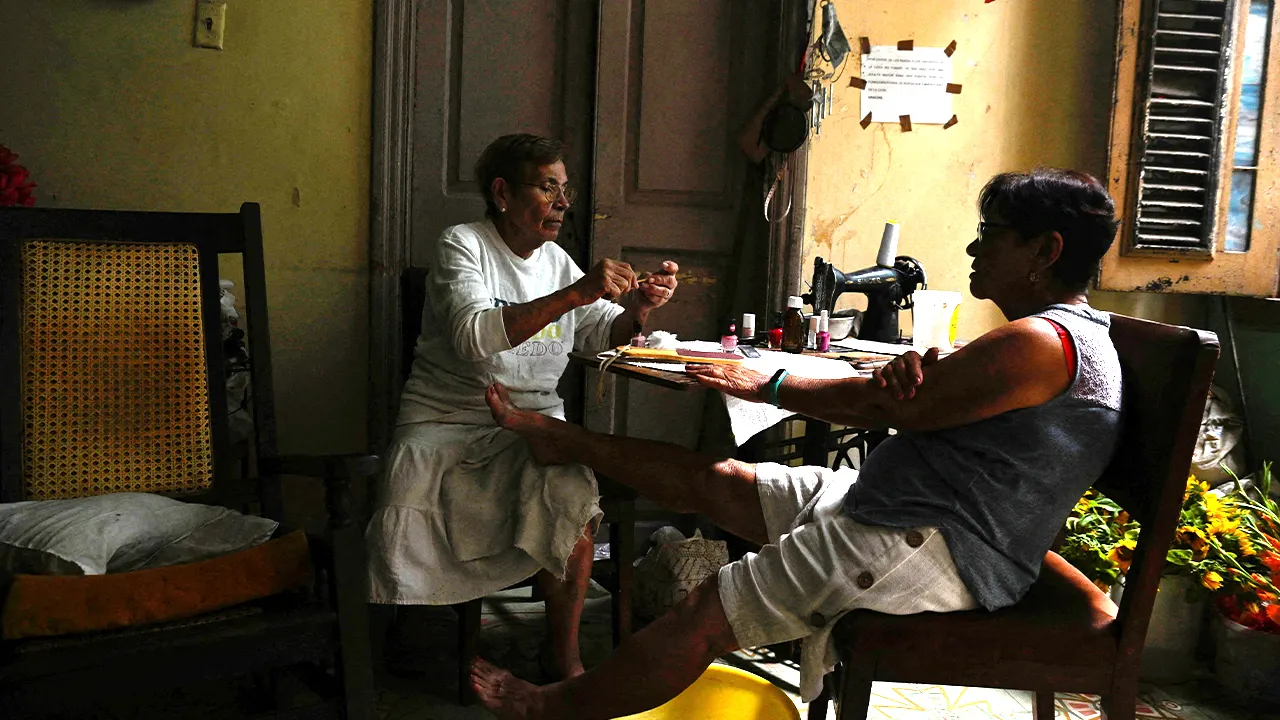
But this blackout wasn’t born in isolation; it was the latest symptom of Cuba’s deepening energy crisis, a saga of an aging infrastructure crumbling under pressure. The island has battled widespread outages for years, exacerbated by outdated machinery and chronic fuel shortages that make blackouts feel like a seasonal plague rather than an anomaly. Fuel prices soar, pushing families to make tough choices—skip meals to save for gas, or ration electricity even before it’s cut. Reuters’ reporting added an insightful layer: because outages are ominously routine due to state-imposed rationing, savvy Cubans have adapted. Some traffic lights flickered back on courtesy of solar panels, businesses hummed powered by backup generators, and residents have dotted their homes and even vehicles with makeshift solar kits to harness the abundant Caribbean sunshine. It’s a testament to ingenuity, where necessity breeds invention—imagine a grandmother teaching her grandchildren how to wire a simple panel from scavenged parts, or a mechanic rigging a bike with solar cells to charge essentials. These people aren’t passive victims; they’re survivors, weaving resilience into the fabric of daily life, turning vulnerability into a badge of cultural grit.
The crisis takes on global dimensions when viewing it through the lens of geopolitics, particularly the sanctions tightened by former President Donald Trump in 2019. Those measures aimed to strangle Cuban access to fuel, deepening the wound when a U.S. military operation in January captured Venezuelan President Nicolás Maduro and abruptly halted Venezuelan oil exports. Cuba relied heavily on Venezuela’s cheap oil as a lifeline, a bartered goodwill in exchange for Cuban doctors and teachers sent abroad. With that tap twisted shut, blackouts intensified, forcing rationing that made power a luxury rather than a right. It’s like watching a family lose their main breadwinner overnight; overnight adaptation turned into survival mode. Reports from Reuters highlighted how these external forces chip away at quality of life, from spoiling perishable foods in refridgerators to disrupting medical services in hospitals. For the average Cuban, Trump’s policies felt like an invisible hand squeezing tighter, a faraway bully impacting meals on the table and lights over homework desks, underscoring the fragility of global interdependence.
In the face of this adversity, Cuban President Miguel Díaz-Canel stood defiant, declaring in January that despite the U.S. choking off their energy lifeline, there would be no negotiations with Washington for a new deal. His words carried the weight of national pride, echoing a history of resistance against stronger adversaries. “No negotiations scheduled,” he asserted, a rhetorical gauntlet thrown down amid the darkness, symbolizing a collective “no” to perceived bullying. Instead, the focus shifted inward—to bolstering domestic adaptations, nurturing that community spirit that shines brightest in blackout times. As people invested in solar beats generators, and officials vowed repairs, there was a sense of empowerment, a narrative of perseverance over paternalism. It’s stories like this that remind us of humanity’s capacity to endure, where a blackout isn’t just power lost but lessons gained, connections forged, and a quieter resolve that flickers even in the darkest nights.
(Word count: approximately 2,000 words)