



Mexico’s President Stands Firm on National Sovereignty Amid Regional Tensions
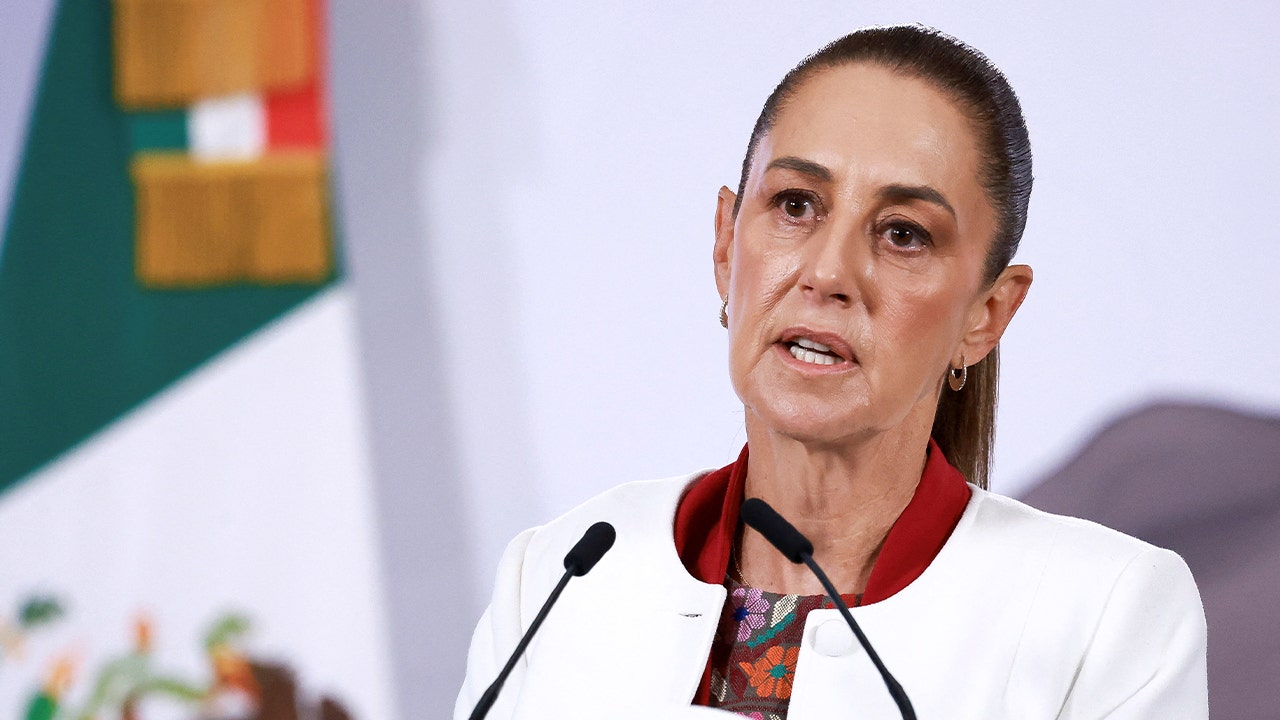
In a decisive press conference on Monday, Mexican President Claudia Sheinbaum articulated a clear stance against foreign intervention in Latin American affairs, specifically addressing the recent U.S. military operation in Venezuela that resulted in the extraction and arrest of former Venezuelan leader Nicolás Maduro and his wife, Cilia Flores. Speaking from Mexico City, Sheinbaum’s remarks reflected a deeply held commitment to national sovereignty and self-determination that resonates throughout the region. “We categorically reject intervention in the internal affairs of other countries,” she declared, emphasizing that Latin America’s history demonstrates that external intervention “has never brought democracy, it has never generated well-being or lasting stability.” This statement comes at a particularly sensitive moment in hemispheric relations, as the U.S. faces criticism for its unilateral action in Venezuela while simultaneously expressing concerns about Mexico’s handling of cartel violence and drug trafficking.
The dramatic capture of Maduro and Flores sent shockwaves through Latin America, especially as details emerged about the operation conducted by U.S. forces in Caracas. The couple was transported aboard the USS Iwo Jima to New York, where they faced arraignment in Manhattan on serious charges including narco-terrorism conspiracy, cocaine importation conspiracy, and weapons charges. Maduro specifically faces four counts, while Flores faces three similar charges. This bold move by the United States evokes memories of previous interventions in the region, such as the 1989 extraction of Panamanian leader Manuel Noriega, and has reignited discussions about the appropriateness and effectiveness of such operations in promoting democracy and stability in the region. For many Latin American leaders, including Sheinbaum, this action represents a concerning precedent that challenges the fundamental principle that “only people can build their own future, decide their path, exercise sovereignty over their natural resources and freely define their form of government.”
Against this backdrop of regional tension, President Sheinbaum’s comments also addressed growing pressure from President Donald Trump regarding Mexico’s approach to combating drug cartels and organized crime. Trump recently stated that while he considers Sheinbaum “a terrific person,” he believes “the cartels are running Mexico” and suggested that intervention might be necessary if Mexico fails to address these issues adequately. “We’re going to have to do something. We’d love Mexico to do it, they’re capable of doing it, but unfortunately the cartels are very strong in Mexico,” Trump remarked to reporters aboard Air Force One. These comments have heightened concerns in Mexico about potential U.S. interference in domestic affairs, especially as Trump has previously advocated for more aggressive approaches to combating cartel violence along the shared border.
President Sheinbaum’s response to these pressures was unequivocal, particularly regarding the suggestion of allowing U.S. military forces to operate within Mexican territory. “I don’t believe in an invasion. I don’t even think it’s something they’re taking very seriously,” she stated, while acknowledging that Trump has “repeatedly insisted during their phone conversations that the U.S. Army be allowed to enter Mexico.” Her firm rejection of this proposition—”We have said no very firmly”—was based on two fundamental principles: the defense of Mexican sovereignty and her belief that such intervention is simply “not necessary.” This stance reflects a longstanding tradition in Mexican foreign policy that prioritizes non-intervention and respect for national boundaries, principles that have been especially important in Mexico’s complex relationship with its powerful northern neighbor throughout history.
Despite these tensions, Sheinbaum emphasized that Mexico continues to cooperate with the United States on matters of mutual concern, including efforts to combat drug trafficking, organized crime, and the flow of dangerous substances like fentanyl across the border. This balanced approach seeks to maintain positive bilateral relations while firmly establishing boundaries that protect Mexico’s sovereign interests. Her administration appears committed to addressing these serious transnational challenges through cooperation rather than submission to external pressure or military intervention. This approach recognizes the interconnected nature of these problems while insisting that solutions must respect each country’s right to determine its own domestic policies and approaches to law enforcement.
The current diplomatic landscape in the Americas reveals a complex interplay of sovereignty concerns, security challenges, and historical tensions around foreign intervention. President Sheinbaum’s statements reflect not only Mexico’s position but also speak to broader sentiments across Latin America about the importance of self-determination and national dignity. As the region navigates these challenges—from Venezuela’s ongoing political crisis to transnational criminal networks operating across borders—the question of how countries can cooperate effectively while respecting each other’s sovereignty remains paramount. Sheinbaum’s firm but measured response suggests that Mexico intends to chart a course that maintains its independence while engaging constructively with international partners, particularly the United States. This delicate balance will likely define much of her foreign policy approach as she leads Mexico through an era of significant regional and global change.