




First Ladies Unite: A Powerful Campaign to Bring Ukrainian Children Home
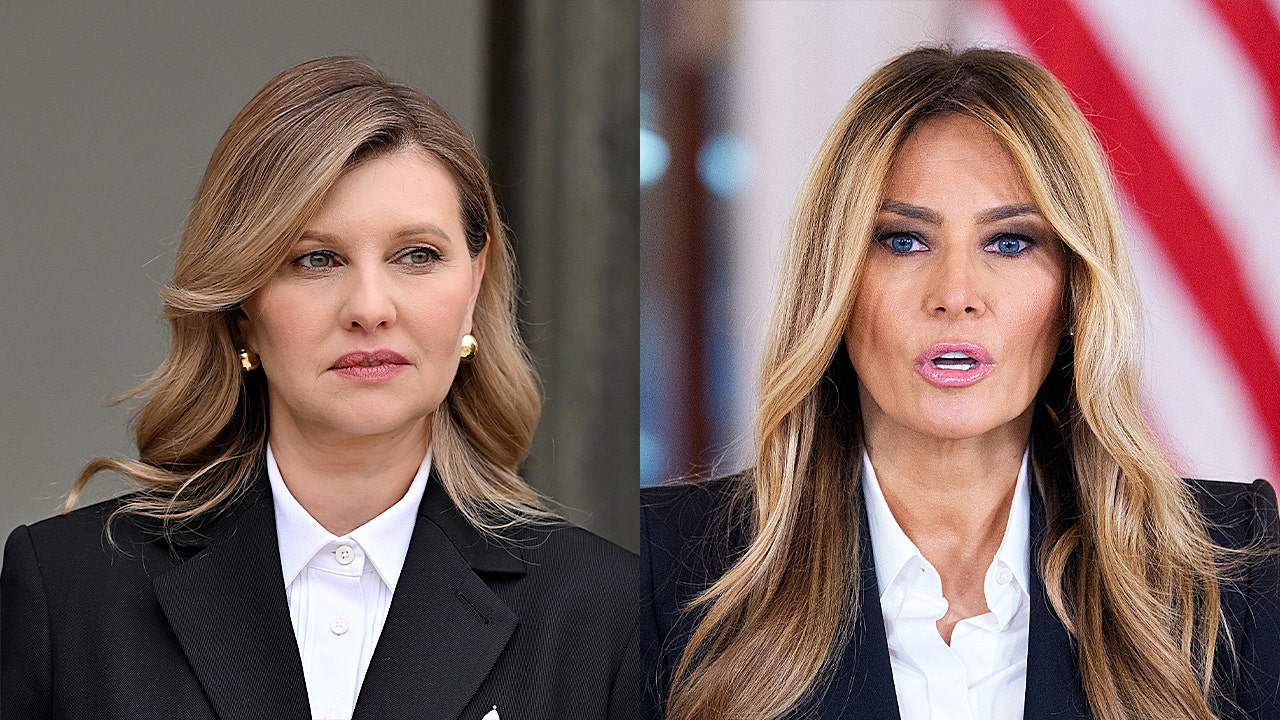
In a powerful display of solidarity that transcends political divides, former First Lady Melania Trump and Ukraine’s First Lady Olena Zelenska have joined forces in a mission to expose and combat Russia’s systematic abduction of Ukrainian children. Through their work with Bring Kids Back UA, these influential women are shining a global spotlight on one of the war’s most heartbreaking consequences: the forced separation of children from their families and their country. According to Maksym Maksymov, spokesperson for the organization, the partnership leverages the unique strengths of both women to create a formidable advocacy team. While Zelenska works on the ground in Ukraine, connecting directly with affected families and implementing legal protections, Melania Trump uses her international platform to bring global attention to the crisis. This collaboration has already yielded remarkable results, including the recent reunification of several Ukrainian children with their families after months or years of separation.
The scale of this humanitarian crisis is staggering. Bring Kids Back UA reports that nearly 20,000 Ukrainian children have been reported taken since Russia’s full-scale invasion in 2022, with 9,221 cases fully verified by Ukrainian authorities. Behind these numbers are real children experiencing profound trauma. Many endure what the organization describes as a systematic attempt to erase their Ukrainian identity through indoctrination and militarization in Russian facilities. One particularly telling case is that of Bohdan Yermokhin, who was subjected to intense pressure to abandon his Ukrainian identity and absorb pro-Russian propaganda. His story exemplifies what Maksymov characterizes as Russia’s “deliberate abduction of Ukrainian children as part of a strategy to erase their identity and mold them into something they are not.” The Russian government is allegedly investing billions in systems designed not to protect these children, but to reshape them according to Moscow’s political objectives.
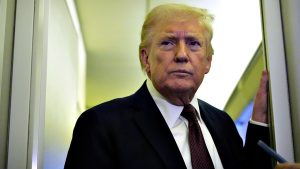
Melania Trump’s involvement has brought significant international attention to the cause. Described by Maksymov as using “her voice as a mother and a public figure with compassion,” Trump has leveraged her global recognition to advocate for children who might otherwise be forgotten in the chaos of war. Her efforts have directly contributed to the reunion of multiple families, including seven Ukrainian children in a recent initiative and support for eight more in October. Perhaps most notably, she authored a “peace letter” to Russian President Vladimir Putin, which was hand-delivered by former President Donald Trump during their summit in Alaska. In this letter, she reportedly urged Putin to prioritize the protection of children and future generations, framing the return of abducted Ukrainian children not as a political issue but as a humanitarian imperative that transcends national borders and conflicts.
Meanwhile, First Lady Olena Zelenska has been deeply involved in on-the-ground efforts within Ukraine. According to Maksymov, she regularly visits “hospitals, shelters, schools and churches across Ukraine, meeting children who have lived through trauma no child should ever experience.” Her intimate understanding of the crisis has informed policy changes within Ukraine, including the criminalization of child deportation, forced militarization, and the obstruction of children’s return to their families. The Ukrainian government has also imposed sanctions on individuals involved in these abductions and illegal adoptions. Zelenska’s approach complements Trump’s global advocacy, creating what Maksymov describes as a powerful synergy: “Together, they help ensure that no abducted child is forgotten, but apart, one speaks from the center of the crisis and the other carries the message to the world.”
The humanitarian work being done by Bring Kids Back UA represents a rare moment of cross-border, bipartisan cooperation in an otherwise deeply divided political landscape. It demonstrates how the welfare of children can unite figures who might otherwise have little common ground. Maksymov emphasizes that both women bring valuable perspectives to the cause, with Trump’s status as “a mother and a public figure with compassion” complementing Zelenska’s role as a leader directly affected by the ongoing conflict. This collaboration has not only resulted in tangible successes—children reunited with their families—but has also elevated global awareness of Russia’s actions. One Democratic U.S. Senator even described Melania Trump as America’s “secret weapon” against what they termed Putin’s “war criminality,” highlighting how this issue has created unusual political alignments.
As the war continues, Ukraine’s position remains uncompromising: “Every abducted child must be returned unconditionally. There can be no peace while even one child remains in Russia’s hands,” Maksymov stated. This stance reflects the understanding that these abductions represent not just a present tragedy but a strategic assault on Ukraine’s future. By targeting children—the next generation of Ukrainians—Russia is attempting to undermine the country’s long-term cultural and national cohesion. The ongoing work of both first ladies serves as a powerful reminder that amid the geopolitical complexities of the Russia-Ukraine conflict, the human cost—particularly that borne by the most vulnerable—must remain at the forefront of international attention. Their collaboration demonstrates that even in times of bitter division, the protection of children can and should transcend political boundaries, offering a model for humanitarian cooperation that prioritizes the innocent victims of conflict above all else.