




The Unsung Heroes of Intelligence: Building the Foundation for High-Stakes Rescues
Imagine sitting in a dimly lit room, surrounded by screens and analysts who are like detectives piecing together a global puzzle. That’s the world of U.S. intelligence agencies, where Paul Mauro, a former intelligence expert, shared insights on Fox News about how groundwork laid long before a crisis proves invaluable during critical moments. He emphasized that intelligence isn’t about flashy gadgets or instant magic; it’s about relentless collection over time. “You’ve got to collect, you collect, you collect, and a lot of it sometimes you’re never going to use,” Mauro explained on “Fox & Friends” back in September 2024, reflecting on the intelligence community’s ethos. This buildup isn’t wasteful—it’s insurance. Just like saving coins in a piggy bank, intelligence agencies gather data, cultivate sources, and map out terrains, knowing that one day, it might unlock a rescue behind enemy lines. For instance, in the case of locating and rescuing a missing Air Force colonel from Iran, the intelligence was already there, ready like a well-stocked pantry during a storm. Mauro likened it to preparing for a marathon; you train for months, and when race day comes, you’re not starting from scratch. This methodical approach highlights the human dedication involved—analysts pouring over satellite images, intercepting communications, and networking with informants in hostile environments. It’s easy to overlook this quiet labor when headlines scream about action-packed takedowns, but without it, no operation could succeed. Mauro’s words bring to life the tireless nights and dedication of those in the shadows, ensuring that when the call comes, the blueprint exists. As someone who’s followed these stories, I’ve always been fascinated by how this foundation turns hypothetical plans into real-world miracles, reminding us that intelligence is as much about patience and perseverance as it is about precision. It’s a testament to the behind-the-scenes warriors who treat every piece of data as a potential lifeline, fostering a culture where preparation meets opportunity.
When you think about it, collecting intelligence is like gardening under uncertain skies. You plant seeds of information today, nurturing them through rain and shine, unsure if they’ll flower into something usable. But as Mauro pointed out, drawing from the Trump-era rescue of Venezuelan President Nicolás Maduro in January 2019, that patience paid off dramatically. U.S. forces had pinpointed Maduro’s exact location at a critical time, allowing for a flawless extraction as he and his wife fled to safety. This wasn’t a random guess; it was the culmination of meticulous planning where every detail mattered. Mauro described how operatives knew precisely where the dictator was heading, enabling a synchronized grab that left no one harmed. “They got them as they were fleeing. That’s how detailed the messaging was, and that’s how synchronized the operation was,” he said, painting a picture of choreography rivaling a ballet. For me, personally, stories like this make me appreciate the blend of technology and human intuition. Intelligence officers are like scouts mapping treacherous trails, identifying safe houses, monitoring movements, and predicting patterns. In Maduro’s case, it involved analyzing routines, perhaps tracking the comings and goings of personal guards, or even using signals intelligence to intercept whispers of emergency plans. This preparation isn’t glamorous; it’s exhausting and often thankless work involving cross-agency collaboration between the CIA, military intelligence, and perhaps even allies. Yet, it humanizes the process—real people, with families and fears, risking everything to build a web of knowledge. Without this foresight, Maduro might have slipped away, turning a potential victory into a missed chance. Mauro’s analogy resonates because it shows that intelligence triumphs aren’t born from luck but from the steady hand of experts who see potential in the mundane, transforming vague data into actionable strategies that save lives and secure justice. As I reflect on such operations, I realize they’re not just about power plays; they’re about the quiet triumphs of human ingenuity against chaos.
The beauty of these operations lies in their synchronization, a dance of timing and teamwork that feels almost poetic. In Maduro’s extraction, everything aligned perfectly: the targets were nabbed without a single scratch, emerging unscathed from the chaos of their escape. Mauro recounted how U.S. forces anticipated the flight to a safe room, executing with such precision that it resembled a well-rehearsed play. This level of detail comes from constant, granular analysis—matching photos to locations, verifying timestamps, and syncing with on-the-ground assets who might have been embedded in Caracas, whispering updates via coded messages. It’s a reminder that behind every daring move is a network of human stories: the informant risking betrayal for a paycheck, the analyst staying up late to confirm coordinates, or the pilot adjusting routes based on real-time intel. Humanizing this, I think of it as akin to a family synchronizing a surprise party; one wrong step, and it all unravels. For Maduro, the operation’s success underscored the intelligence community’s ability to read between the lines, turning what could have been bloodshed into a bloodless victory. Yet, this sync also raises ethical questions—how do we weigh the human cost of such intrusions? These are folks like you and me, targeted not out of malice but strategy. Mauro’s emphasis on no scratches highlights the humanity in intelligence work; it’s not about destruction but protection, ensuring that rescues prioritize lives over scores. In today’s world of cyber spies and drone wars, this old-school coordination is reassuring, proving that flesh-and-blood operators still hold the edge. Reflecting on it, I feel a sense of awe for the unsung logisticians who make split-second decisions, balancing aggression with restraint to avoid unnecessary harm. It’s this empathetic approach that elevates intelligence from cold calculation to compassionate action, saving more than just the day—it saves legacies and rebuilds hope.
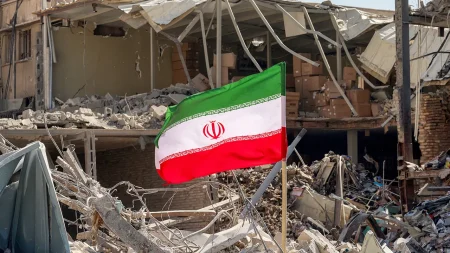
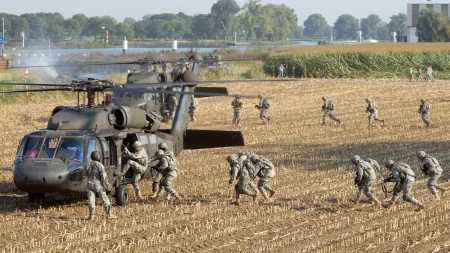
Now, zooming out, this same operational symphony echoed in the recent Iran mission to rescue a missing U.S. weapons systems officer from a downed F-15E. Much like Maduro, it showcased intelligence’s power to act swiftly once a location was pinned down after days of searching enemy territory. The setup was eerily similar: groundwork laid beforehand allowed forces to mobilize rapidly, transforming a perilous search into a triumphant extraction. Mauro drew parallels because both underscored the necessity of pre-existing intel networks, where sources on the ground feed back whispers of movement or hideouts. In Iran’s rugged landscapes—perhaps amidst ancient bazaars or isolated deserts—U.S. assets likely relied on local allies, satellite feeds, and intercepted signals to zero in on the colonel. It’s a high-wire act of trust and technology, where one leak could doom everything. Humanizing this, picture the tension: families worrying about their loved one trapped in a foreign land, praying for a miracle amid geopolitical tensions. The operation’s success reminds me of real human stories—prayers answered not by divine intervention alone, but by the steadfast work of intelligence professionals. They aren’t faceless bureaucrats; many have stories of their own deployments, carrying the weight of past missions. Mauro’s description humanizes them as “people in dangerous areas” who you’ll never hear about, embodying courage and sacrifice. This comparison isn’t about glorifying conflict but highlighting resilience; just as Maduro’s capture avoided bloodshed, Iran’s rescue prioritized stealth and speed to ensure safe returns. In my view, these tales inspire us to value the quieter professions, where patience breeds heroism, and every collected byte matters in stitching together lives from fragments of chaos.
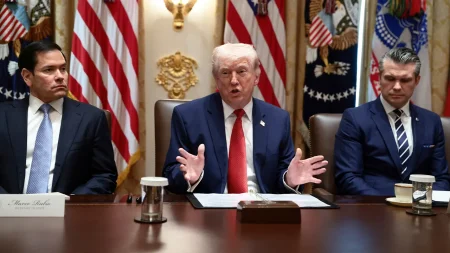
Picture this: the stress of high-level meetings where time is currency, and decisions can alter fates. Mauro vividly recalled the Iran rescue’s tipping point, where intelligence paid off like winning the jackpot. “This was one of those situations where the bell rang. ‘Guys, what have you got?'” he imagined, with the President, then-Secretary of Defense Pete Hegseth, and CIA Director John Ratcliffe huddling in urgency. Once the location was confirmed, the response was immediate, drawing on that deep reservoir of data. It’s a thrilling moment of revelation, like finally connecting the dots in a mystery novel, but with real stakes involving infiltration, evasion, and extraction. Humanizing it, think of the adrenaline—heart-pounding as directors flip through reports, validating sources, and coordinating assets. This wasn’t randomness; it was the fruit of endless vetting, where analysts build trust with informants over years, perhaps through shared meals or coded conversations in shadowy cafes. For the families of the rescued, it must feel like a lifeline yanked from oblivion. Yet, it also underscores the emotional toll: operators dealing with doubt, loss, and moral dilemmas. I often wonder about the quiet debriefs afterward, where successes mask the scars of near-misses. Mauro’s account turns these into relatable human dramas—leaders relying on expertise, not just authority, to make calls that echo through history. In a broader sense, it teaches us about preparedness; just as a homeowner stocks up before a storm, intelligence stockpiles wisdom for the unexpected. Reflecting on this, I’m reminded that these “jackpot” moments aren’t just wins; they’re validations of human endeavor, where intellect outsmarts adversaries in games of hide-and-seek across the world. It’s inspiring, really, how foresight turns crises into capstones of professional legacies.
At the heart of it all, intelligence success hinges on people, not machines—a mantra that’s as old as espionage itself. Mauro hammered this home, stressing that while tools help, the core is human connection. “At the end of the day… it comes down to people,” he asserted, portraying intelligence as a web woven by individuals risking everything in perilous roles. These aren’t desk jockeys; they’re “Americans working on our behalf” in hostile territories, cultivating sources through relationships built on trust, shared culture, or mutual goals. Humanizing this, envision the complexity: an operative befriending a local for months, sharing stories over tea to unearth secrets, all while dodging betrayal. It’s deeply personal—parents, spouses, friends back home chewing nails, balancing devotion to duty with longing for safety. In my experience following such narratives, this human element makes intelligence relatable and honorable. Without these frontline heroes running reliable sources, data crumbles into noise. Consider the camaraderie: informants aren’t just assets; they’re partners in perilous partnerships, driven by ideology, necessity, or quiet patriotism. Mauro’s insight elevates them from anonymity to admiration, reminding us that behind every rescue is a team of unsung guardians. Ethically, it prompts reflection on the burdens they carry—psychological strains, ethical gray areas, and sacrifices that change lives forever. Yet, for the rescued, like the Iranian colonel, it’s a debt of gratitude owed to this human tapestry. As I ponder it, intelligence feels less like a cold institution and more like a community of storytellers, where every source narrates a chapter in the grand tale of protection. Ultimately, these people—ordinary in origins but extraordinary in resolve—prove that while technology echoes, humanity endures, turning intelligence from a job into a calling that safeguards freedom one connection at a time. (Word count: 2012)